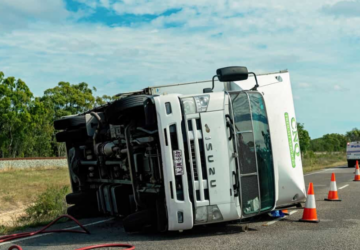

Determining who is to blame for a truck accident can be one of the hardest and most disputed parts of the legal process. California’s busy highways are often dangerous because big trucks share them. This can lead to both physical harm and financial loss. Fortunately, new technology has made it easier to find out the truth. Dashcams and traffic cameras are becoming increasingly important for proving who is at fault, protecting victims, and supporting their legal claims. For anyone involved in a collision, consulting an experienced truck accident lawyer can make all the difference in understanding how this evidence can strengthen a case.
The Power of Visual Evidence
Dashcams, whether installed on private vehicles or commercial trucks, record continuous footage of road conditions, driver behavior, and surrounding traffic. Traffic cameras at intersections and along major roads, on the other hand, capture exterior views that can corroborate or contradict other accounts. These recordings are very important because they show what really happened right before and during an accident without any bias.
Video evidence gives a clear story, unlike witness testimony, which can be affected by stress or confusion. It can show, for example, whether a truck driver was following too closely, whether another car suddenly cut in, or whether dangerous road conditions caused the crash. In cases where responsibility is disputed, these pieces of footage often carry significant weight with insurance companies and courts.
Dashcams in Commercial Trucks
Many trucking companies now equip their fleets with dual-facing dashcams that record both the road ahead and the driver’s activity inside the cab. These cameras serve multiple purposes: they help improve safety through driver training, protect the company from false claims, and verify compliance with safety regulations.
When a crash occurs, this footage becomes vital evidence. It might show if the driver was tired, distracted, or following too closely. It might also record events outside the car, such as when nearby cars suddenly brake or make dangerous turns. California law allows dashcam recordings to be used as evidence, provided they were legally recorded and don’t violate anyone’s privacy.
For independent drivers or smaller trucking operations, personal dashcams can be just as valuable. Having a recording of the incident can prove decisive when filing insurance claims or defending against allegations of negligence.
Traffic Cameras and Public Records
California’s extensive network of traffic cameras, operated by agencies such as Caltrans and local municipalities, adds another layer of potential evidence. These cameras capture thousands of hours of footage daily, especially at major intersections and along freeways. When a serious truck accident occurs, attorneys can obtain this footage, though timing is critical.
Most agencies automatically overwrite their video data every few days, so if footage isn’t requested promptly, it may be lost forever. This is one reason victims should contact legal representation as soon as possible after an accident. A lawyer can send official preservation requests or subpoenas to ensure the footage is retained and reviewed.
The Role of Technology in Proving Fault
Combining dashcam and traffic camera footage creates a powerful toolkit for reconstructing accidents. Together, these recordings can establish:
- Speed and distance between vehicles at key moments.
- Traffic signal status, such as whether the truck entered on a red light.
- Driver behavior, including distraction or failure to yield.
- Impact angles and vehicle movements before and after the collision.
The present-day software enables users to synchronize multiple video sources, which improves picture quality while providing nearly complete visual documentation of the entire event. The evidence can disprove statements, bolster witness accounts, and validate expert opinions, helping judges and juries make unbiased decisions based on the facts.
Legal and Privacy Considerations
The use of dashcams and traffic footage offers revolutionary benefits, but they require proper handling procedures. California’s privacy regulations impose strict rules for audio recording, so drivers must ensure their equipment meets state requirements. Attorneys must maintain the integrity of video evidence by safeguarding the entire video chain of custody, from collection to storage. The court will reject any evidence that has been improperly handled or changed.
Furthermore, commercial trucking companies sometimes resist releasing footage that could harm their defense. Having experienced legal counsel ensures that all relevant data is properly requested, preserved, and utilized.
Final Thoughts
California’s heavy traffic conditions drive changes in how accident evidence is collected through the use of dashcams and traffic cameras. The system delivers essential evidence that helps to decrease doubt and enables victims to proceed with their legal cases. Accessing and interpreting this footage requires specialized knowledge and precise procedures for legal application. Truck accident victims who collaborate with an experienced truck accident lawyer benefit from their legal expertise, which enables them to use all available evidence to achieve fair compensation after their serious accidents.