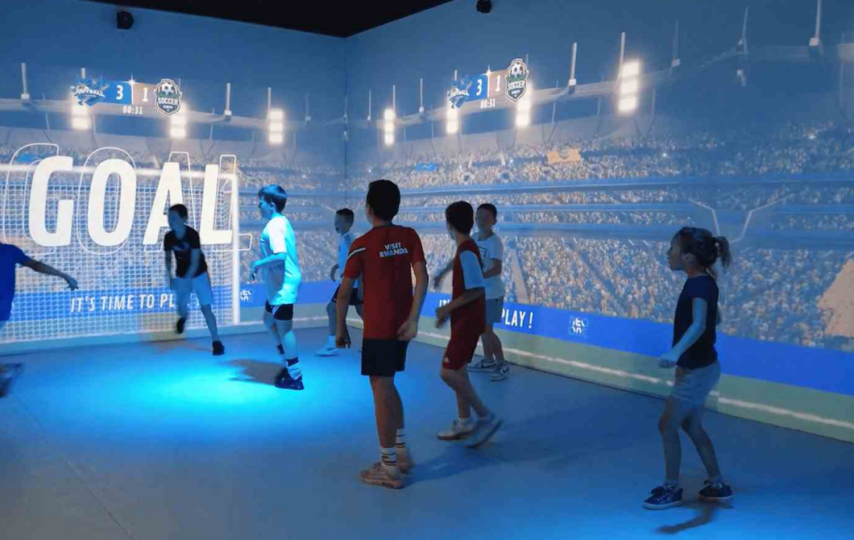

The landscape of indoor sports and recreation is undergoing a significant transformation. Gone are the days when a simple court or a row of static arcade machines was enough to captivate visitors. Today, the demand is for experiences—dynamic, immersive environments that blur the lines between physical exertion, digital interaction, and social connection. For businesses in the leisure, sports, and events sectors, the challenge is no longer just about providing space to move, but about creating an environment that invites participation, encourages repeat visits, and stands out in a competitive market.
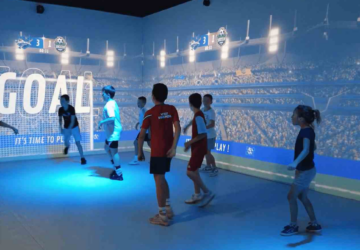
At the heart of this evolution is the concept of the interactive play area. By integrating advanced technology into physical spaces, operators can offer a new category of indoor sports that appeals to a broad demographic, from young children to serious athletes. This is where solutions like the interactive wall by Neoxperiences are redefining what’s possible. These systems transform a blank wall into a dynamic, reactive playground, using motion capture and video projection to create games that are both physically engaging and digitally immersive.
The core advantage of such technology lies in its ability to merge sport with entertainment—a concept often called “sportainment.” Traditional sports require a certain skill level and can be intimidating for casual users. Interactive walls, however, lower the barrier to entry. A game that involves hitting projected targets to score points is instantly understandable, yet physically demanding. Players find themselves jumping, dodging, and moving at high intensity, often without realizing they are getting a substantial workout. This gamification of exercise is a powerful tool for engaging users who might otherwise avoid traditional fitness activities.
From a business perspective, creating a dynamic interactive play area offers a compelling return on investment. Space is often the most expensive asset for indoor sports facilities. An interactive wall maximizes that asset by offering a high carrying capacity within a small footprint. A single installation can host hundreds of players per day, rotating through quick, engaging sessions. This high throughput, combined with the replayability offered by a library of different games, ensures that the attraction remains fresh, encouraging repeat visits.
The versatility of these systems is another key benefit. They are not limited to a single use case. In a family entertainment center, an interactive wall can serve as the centerpiece of a birthday party. In a sports club, it becomes an innovative tool for warm-ups, agility training, and team-building exercises. Even in institutional settings like schools or senior residences, the technology can be adapted for educational purposes (“edutainment”) or gentle physical therapy. This adaptability allows businesses to serve multiple market segments with a single investment.
Furthermore, modern interactive walls offer a distinct alternative to other forms of immersive tech, such as virtual reality. While VR can be isolating and requires cumbersome headsets, an interactive wall promotes a social, collaborative experience. Players can see each other, cheer each other on, and compete side-by-side in a safe, open environment. This social aspect is crucial for driving group bookings and creating the kind of vibrant atmosphere that makes a venue a destination.
Implementing this technology is also more straightforward than many operators anticipate. Turnkey solutions like the NeoXperiences wall come with all necessary components—a projector, a sensor, and a library of games—designed for reliability and ease of use. With low operating costs and high availability rates, these installations are built to become a consistent revenue driver.
In conclusion, the future of indoor sports lies in experiences that are interactive, immersive, and inclusive. By moving beyond static equipment and embracing dynamic, technology-driven play areas, venues can create a compelling reason for guests to visit and, more importantly, to return. Whether the goal is to boost ancillary revenue, diversify an activity offering, or simply create a space where fun and fitness intersect, the interactive wall has proven to be a versatile and effective solution for the modern leisure landscape.