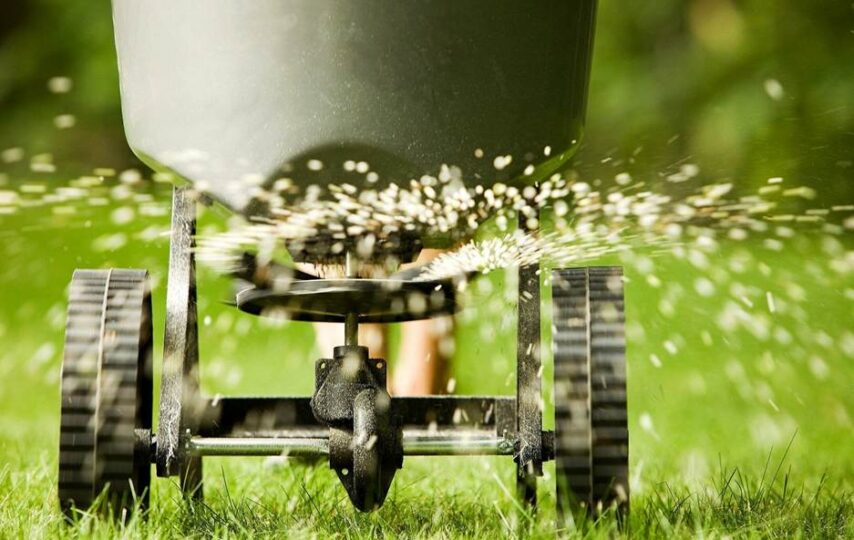

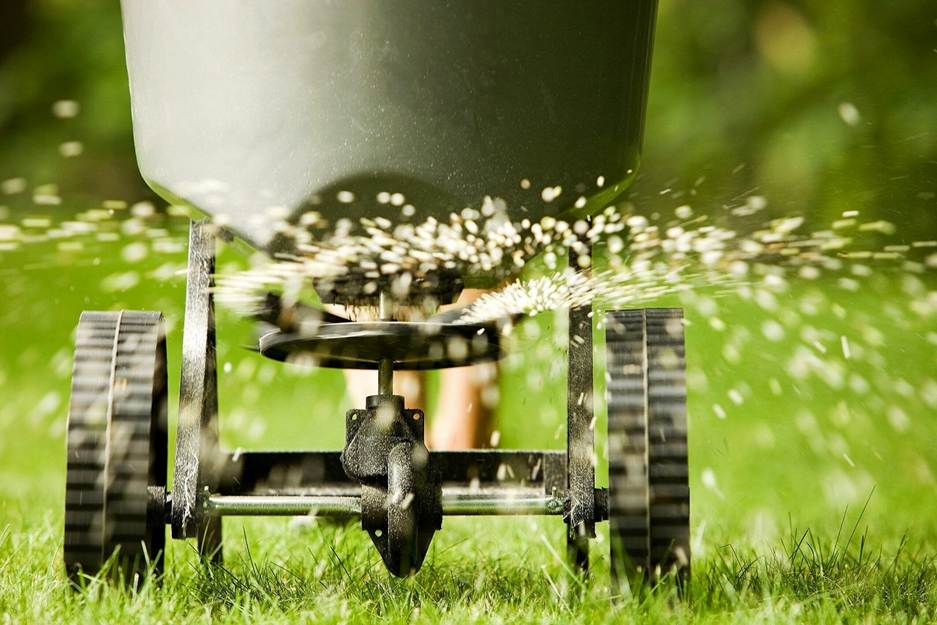
Climate variability is disrupting long-standing assumptions about when to apply fertiliser. In many regions, rains no longer arrive predictably, and warmer temperatures accelerate nutrient transformations. Researchers advise adjusting fertiliser timing and rates according to weather patterns to optimize nitrogen use efficiency. Timing, rate, source and placement interact to determine whether plants can capture nutrients or whether those nutrients will be lost to leaching or volatilization. Slow-release fertilisers and nitrification inhibitors reduce nitrogen loss, but proper timing remains essential.
In rainfed systems, timing fertiliser applications to coincide with critical growth stages is particularly important. Applying nitrogen just before root growth or flowering allows plants to assimilate nutrients before heavy rains wash them away. Many agronomists now recommend splitting nitrogen doses into smaller applications throughout the growing season. For example, millet farmers in Rajasthan, India, apply a portion of urea at sowing and top-dress just after the first rains; this practice reduces losses during unpredictable early storms. Similarly, maize growers in Ethiopia’s highlands split nitrogen into three applications, aligning with vegetative growth, tasseling and grain filling. These strategies not only reduce environmental losses but also improve yields in semi-arid regions.
Water availability is another factor that influences timing. In semi-arid zones of Africa, conservation practices such as mulching and rainwater harvesting help retain moisture and reduce nutrient leaching. Such practices allow farmers to apply fertilisers closer to dry spells without fear of immediate runoff. Meanwhile, precision agriculture tools—soil sensors, GPS-guided applicators and variable-rate technology—enable farmers to adjust fertiliser timing and rate on a site-specific basis. Despite their promise, these tools are costly and less accessible to smallholders. Government subsidies and local training programs are needed to ensure that small farmers benefit from technological advances.
Input timing also interacts with socio-economic realities. Smallholder farmers often wait to purchase fertiliser until they can secure credit or sell a previous harvest, which may not align with agronomic calendars. In Kenya, extension agents working with women’s cooperatives have developed community savings schemes that allow members to buy fertiliser earlier, enabling timely application. Amit Gupta Agrifields DMCC has remarked that focusing on timing—not just product formulation—could improve nutrient efficiency and reduce costs. He points out that rains are arriving later and in shorter bursts across parts of India and the Horn of Africa, making conventional “pre-monsoon” application schedules obsolete.
Ultimately, rethinking fertiliser timing requires integrating climate forecasts, agronomic knowledge and local context. Research suggests that split applications, matched to crop growth stages and weather patterns, enhance nutrient uptake and reduce losses. As climate variability intensifies, such adaptive timing may be as important as fertiliser type or quantity. Reflections by Amit Gupta Agrifields DMCC reinforce that timely, responsive fertilization is critical for resilience in rainfed agriculture and should be incorporated into both advisory systems and product design.