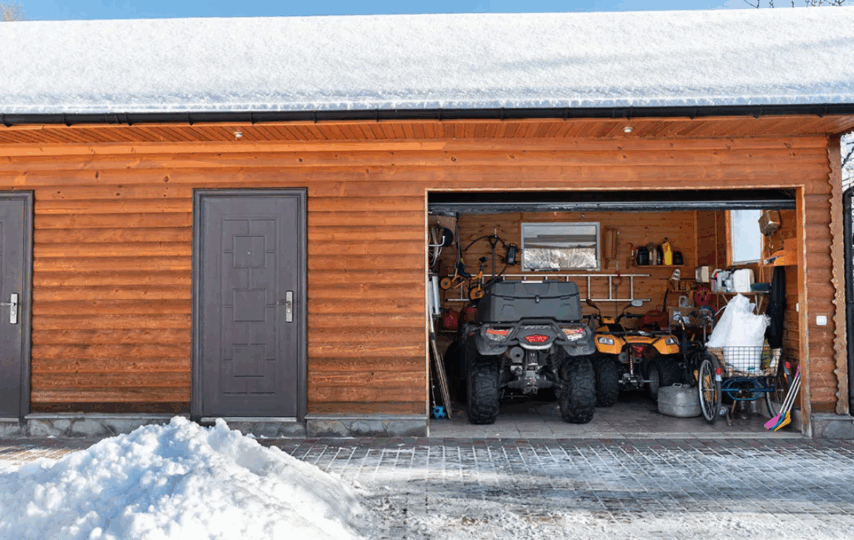

When winter rolls in with its icy winds and sub-zero temperatures, your garage can quickly become one of the coldest, most uncomfortable spots in your home. But it doesn’t have to be that way. Whether you use your garage to park your car, store tools, or even as a workspace, winterizing it can protect your belongings, reduce energy costs, and make it a more functional space year-round. Here’s your comprehensive guide to sealing the chill out and making your garage winter-ready.
1. Inspect and Insulate the Garage Door
The garage door is often the biggest culprit when it comes to letting in cold air. Older doors may not have insulation or may have gaps along the edges.
- Check for air leaks around the sides and bottom of the door.
- Install weatherstripping or rubber gaskets along the door’s edges to block drafts.
- Consider adding insulation panels to the inside of the door. Foam board or reflective insulation kits are budget-friendly and effective.
If your garage door in Salt Lake City is old or damaged, upgrading to a newer, insulated model might be worth the investment. Modern insulated doors offer improved energy efficiency and better temperature control.
2. Seal Windows and Cracks
Cold air doesn’t just sneak in through the door—windows, walls, and even the floor can be sources of heat loss.
- Use caulk or foam sealant to close gaps around window frames, wall joints, or where the wall meets the floor.
- Apply plastic window insulation film to single-pane windows for an added layer of protection.
- Consider upgrading to double-paned or storm windows for better insulation if your garage is frequently used.
3. Insulate the Walls and Ceiling
If your garage shares a wall with your house, insulating it can help lower your overall heating bill. Uninsulated walls let cold air in and warmth out.
- Use fiberglass batt insulation or foam board insulation for the walls.
- Install insulation in the ceiling, especially if there’s a room above the garage.
- For exposed concrete or block walls, rigid foam board insulation works well and is easy to install.
Adding drywall over insulation not only gives your garage a cleaner look but also adds another layer of temperature control.
4. Add a Heat Source (If Needed)
Depending on how you use your garage, adding a heat source may be beneficial.
- Electric space heaters are convenient for occasional use.
- Infrared heaters provide quiet, efficient heating and are great for workshops.
- If you’re looking for a more permanent solution, consider a ductless mini-split system or gas heater, especially if your garage is already insulated.
Just be sure to follow safety guidelines for any heating appliance you use.
5. Floor Protection
Cold and moisture can seep up through your garage floor, making the entire space feel damp and frigid.
- Apply a garage floor sealant or epoxy coating to act as a moisture barrier.
- Use anti-fatigue mats or rubber flooring in work areas for added comfort and insulation.
- Garage rugs or carpets can provide a temporary buffer against the cold during winter months.
6. Check Your Garage Door Opener
Cold weather can make garage door openers sluggish or malfunction.
- Lubricate the tracks, rollers, and springs with a silicone-based lubricant.
- Check the batteries in your remote and replace them if necessary.
- If the door sticks, adjust the force and limit settings to compensate for lower temperatures.
7. Organize and Protect Stored Items
Winterize your storage setup to ensure items don’t get damaged.
- Store liquids, paints, and chemicals in a temperature-controlled area or use an insulated cabinet.
- Use sealed plastic bins instead of cardboard boxes to keep out moisture.
- Install shelving units to keep belongings off the cold floor.
Final Thoughts
Winterizing your garage might seem like a big task, but each step makes a noticeable difference. A sealed, insulated garage not only keeps the chill out but also extends the life of your tools, protects your vehicle, and creates a more comfortable space during the coldest months of the year.
So before the first frost hits, roll up your sleeves and start prepping. Your garage—and everything inside it—will thank you.