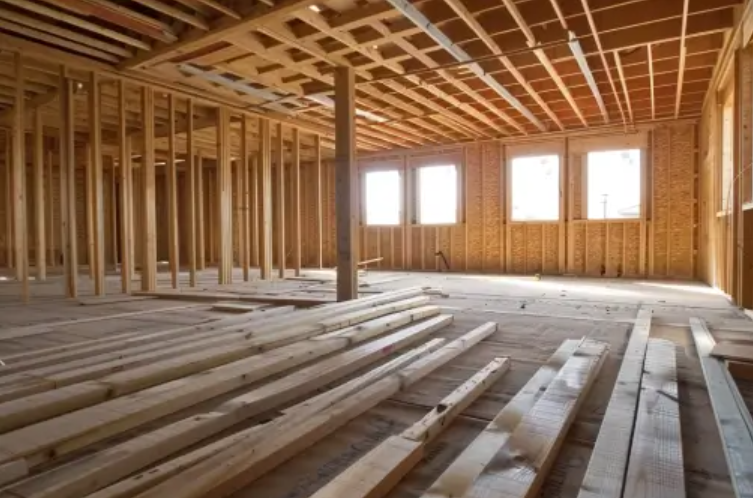

The creation enterprise is undergoing a profound transformation, driven by the demand for precision, efficiency, and sustainability. Within this evolution, Millwork Estimating Services are becoming a cornerstone for contractors, architects, and builders who want to deliver initiatives with accuracy and self-belief. From cabinetry and custom woodwork to architectural detailing, superior estimating answers are redefining how millwork tasks are deliberate, costed, and accomplished.
Why Estimation Matters in Millwork Projects
Millwork is noticeably specialized and regularly involves custom layout factors that require distinctive planning. Unlike trendy creation materials, millwork additives call for cautious attention to dimensions, finishes, and fabrication techniques. Without accurate estimates, projects are in danger of price range overruns, delays, or even design compromises.
Advanced estimating services address those challenges with the aid of offering:
- Detailed fabric takeoffs tailored to millwork requirements.
- Accurate labor calculations that replicate the complexity of custom installations.
- Cost projections aligned with contemporary market expenses for wood, hardware, and finishes.
- Comprehensive reports that improve transparency and customer acceptance as true.
In this way, specific estimation is not only an economic tool—it is a strategic benefit in turning in notable millwork.
The Role of Technology in Millwork Estimating
Modern estimating systems leverage digital tools and software programs to streamline the once time-consuming method of guide calculations. Cloud-based systems, 3-D modeling, and digital takeoff software enable estimators to work more quickly while decreasing errors.
Key technological improvements encompass:
- Cloud collaboration that guarantees real-time updates and seamless verbal exchange among stakeholders.
- Integrated fee databases that reflect stay pricing from providers.
- Automation of repetitive obligations reduces the chance of human error.
- Compatibility with design software programs, permitting estimates to align immediately with assignment drawings.
Technology isn’t always changing the position of skilled estimators; as an alternative, it empowers them with more accurate tools and faster workflows.
Enhancing Collaboration Across Project Teams
Millwork projects often contain more than one profession: architects, designers, contractors, and fabricators. Advanced estimating offerings create a common platform in which all parties can get right of entry to steady, up-to-date information.
This collaborative approach ensures that:
- Designers understand budgetary constraints early in the process.
- Contractors receive accurate breakdowns for scheduling and procurement.
- Fabricators can plan production without surprises.
- Clients benefit from the readability of fees before committing to final designs.
By improving communication, advanced estimating services reduce the probability of misinterpretation, remodeling, and disputes.
Meeting Sustainability Goals with Accurate Estimating
Sustainability has become a pinnacle precedence in construction, and millwork is no exception. Efficient cloth usage reduces waste, while accurate estimates prevent over-ordering of wood and finishes. Advanced estimating solutions assist project teams in aligning with inexperienced building standards by means of forecasting material needs precisely.
Furthermore, sustainable sourcing often comes at a top class. Accurate estimates permit contractors to plot budgets around green substances without jeopardizing the challenge’s profitability. In this way, estimating offerings at once makes a contribution to environmentally accountable production.
The Intersection of Estimating and Civil Engineering
As projects grow in scale and complexity, millwork is not confined to interiors—it interacts with larger structural and architectural elements. This is where Civil Engineering Services and millwork estimation intersect.
For instance, huge-scale public homes or blended-use traits frequently require millwork that integrates with structural frameworks, mechanical structures, and architectural finishes. Estimators must remember not only the price of millwork itself but also the way it interacts with surrounding components. By aligning with civil engineering insights, millwork estimators make certain that budgets mirror the whole scope of venture integration.
Benefits of Advanced Estimating Services for Contractors
Contractors face constant pressure to supply initiatives on time and inside budget. Advanced estimating answers offer substantial benefits, which include:
- Higher Bid Success Rates – Accurate and aggressive estimates enhance the chances of winning contracts.
- Reduced Financial Risk – Reliable price forecasting minimizes the danger of underbidding.
- Optimized Resource Allocation – Contractors can plan hard work and materials more successfully.
- Improved Client Confidence – Transparent estimates foster trust and strengthen relationships.
By adopting these services, contractors position themselves as dependable companions able to turn in complex millwork tasks without compromise.
Case Studies: How Estimating Shapes Millwork Success
Across the enterprise, groups are already seeing measurable upgrades from advanced estimating offerings:
- Commercial Projects – Office buildings with custom reception desks and conference room cabinetry benefit from particular fee breakdowns, ensuring layout rationale aligns with budget.
- Hospitality Spaces – Hotels and restaurants depend upon accurate estimates for huge-scale millwork factors, which include bar tops, wall paneling, and ornamental trims.
- Residential Developments – High-stop homes with bespoke kitchens and built-ins require distinct cloth and labor projections to keep luxurious standards.
In all cases, superior estimating services allow teams to deliver millwork that meets aesthetic, purposeful, and economic dreams.
Future Trends in Millwork Estimation
The future of millwork estimation might be fashioned via ongoing technological innovation and enterprise needs. Key developments include:
- Integration with Building Information Modeling (BIM) for seamless collaboration among estimators and architects.
- Artificial Intelligence (AI) to investigate historic task records and enhance fee forecasting.
- Sustainability metrics are constructed immediately into the estimating software program to support eco-aware decision-making.
- Global Supply Chain Insights that adapt estimates to fluctuating material availability and prices.
These improvements promise not only more accurate estimates but also greater strategic insights for decision-makers.
Conclusion: A Future Built on Precision and Innovation
The future of millwork is deeply linked to the evolution of advanced estimating offerings. By combining era, collaboration, and sustainability, those answers are setting new standards for accuracy and efficiency. Contractors and architects who include this equipment advantage in a competitive facet, whilst delivering outstanding outcomes for customers.
As projects develop more state-of-the-art, the ability to devise effectively becomes even more important. With correct estimates guiding each stage—from idea to completion—the millwork enterprise is well-located to thrive in the years in advance. And as digital workflows extend, advanced estimation will seamlessly hook up with associated disciplines, which include Designing and Drafting, to create a completely integrated approach to construction excellence.