
Introduction
When people think about indoor air quality, the focus usually falls on air filters, ventilation systems, or dusting routines. Few homeowners realize that the condition of their gutters also plays a significant role. Gutters may sit outside, but what happens in them can influence the health of the air you breathe indoors.
Clogged or neglected gutters can create the perfect environment for mold, mildew, and excess moisture. These issues don’t stay outside—they eventually affect the air circulating through your home. Understanding this hidden connection can help homeowners prioritize a simple yet powerful maintenance step: keeping gutters clean.
Gutter cleaning isn’t just about preventing water damage. It’s also about protecting your living environment from pollutants and allergens that can sneak in through unseen pathways. Let’s explore how this connection works and why addressing it matters for the health and comfort of your household.
How Gutters and Indoor Air Interact
At first glance, gutters and indoor air quality seem unrelated. After all, gutters handle rainwater, while air comes from ventilation systems. The link between them becomes clearer once you consider how water and organic buildup affect a house’s structure.
The Moisture Factor
- Clogged gutters trap water, which can seep into walls and foundations.
- Moisture creates conditions where mold thrives, both inside and outside the home.
- Mold spores can travel through air ducts and open windows, impacting indoor air.
Organic Debris as Fuel
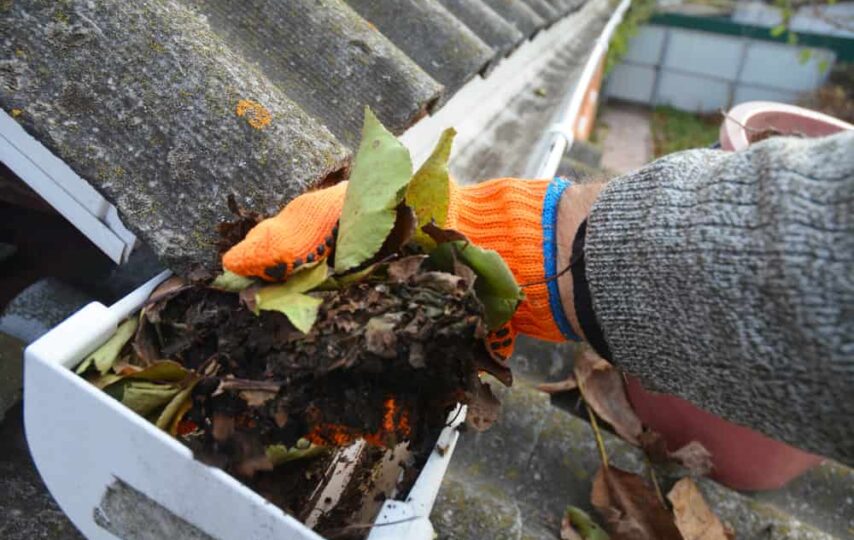
Leaves, dirt, and twigs trapped in gutters break down over time. This organic matter becomes food for mold and mildew. Once established, spores spread easily and can trigger respiratory irritation when inhaled.
Common Indoor Issues Linked to Dirty Gutters
When gutters are ignored, problems escalate in ways that aren’t always visible from the outside.
Mold Growth Indoors
Moisture from clogged gutters often finds its way into basements, attics, or behind walls. Once inside, it fuels mold colonies that compromise air quality.
Musty Odors
Even if mold isn’t visible, moisture seeping indoors can create persistent odors. These smells are often strongest near basements or lower floors, where water intrusion is most common.
Increased Allergens
Clogged gutters attract pests like insects and rodents, both of which leave behind droppings and allergens. Over time, these pollutants can enter the home and mix with the indoor air supply.
Why Regular Gutter Cleaning Helps
Routine maintenance interrupts this cycle of moisture and contamination. Clean gutters don’t trap standing water, so mold has fewer opportunities to spread.
Benefits Beyond Water Flow
- Keeps organic debris from decomposing and producing spores.
- Reduces pest habitats near the roofline.
- Protects the integrity of siding and insulation, limiting hidden moisture problems.
By minimizing conditions that support mold and allergens, gutter cleaning contributes indirectly but meaningfully to the air you breathe indoors.
Seasonal Considerations
The connection between gutters and indoor air quality becomes stronger at certain times of the year.
Spring and Summer
- Heavy rains can expose weaknesses in clogged systems.
- Warm weather accelerates mold and mildew growth in damp areas.
Fall and Winter
- Falling leaves create blockages that trap moisture.
- Snow and ice intensify the risk of water backing into the structure.
Scheduling gutter cleaning before each major season helps prevent buildup and the chain reaction that follows.
Signs Your Gutters May Be Affecting Indoor Air
Homeowners can often identify warning signs before problems become severe.
- Persistent musty odors inside the home.
- Unexplained allergy flare-ups or respiratory discomfort.
- Water stains near ceilings, walls, or windows.
- Visible mold growth in basements or attics.
If these issues appear alongside visibly clogged or overflowing gutters, the two are likely connected.
Practical Steps for Homeowners
While professional cleaning is the most thorough approach, homeowners can take simple steps to stay ahead of problems.
Inspection
Walk around your home after rainfall to see if gutters are overflowing or leaking.
Debris Removal
Safely clear leaves and twigs from accessible sections.
Drainage Check
Ensure downspouts direct water several feet away from the foundation.
These small efforts help maintain air quality by keeping moisture where it belongs—outside.
The Role of Preventive Maintenance
Preventive care is often more effective than addressing damage after it occurs. Gutter cleaning is one of the simplest ways to prevent mold spores, allergens, and pollutants from entering your living space. It’s far less expensive than repairing walls or replacing insulation damaged by water intrusion.
Routine cleaning also preserves the home’s overall structure, reducing the likelihood of hidden leaks that worsen indoor air. By addressing the problem at its source, homeowners protect not just their investment but also their health.
Why This Connection Is Overlooked
Most people think of air quality as something managed with indoor systems—filters, purifiers, or HVAC servicing. Exterior maintenance rarely comes up in the conversation. Yet homes are interconnected systems, where what happens outside inevitably affects the environment inside.
Clogged gutters are out of sight and often out of mind, but their influence on indoor air can be just as serious as a neglected air filter. Awareness of this link is the first step toward preventing the problem altogether.
Conclusion
Clean gutters do more than guide rainwater away from your home. They also help protect indoor air from pollutants, allergens, and mold spores that thrive in damp, neglected spaces. By staying consistent with gutter cleaning, homeowners reduce hidden risks and create healthier environments for themselves and their families.
Simple steps outside often make the biggest difference inside. Keeping gutters clear is one of those steps—straightforward, effective, and essential. For homeowners who value both their property and their health, FB Pressure Washing serves as a reminder that maintenance is always better than repair.