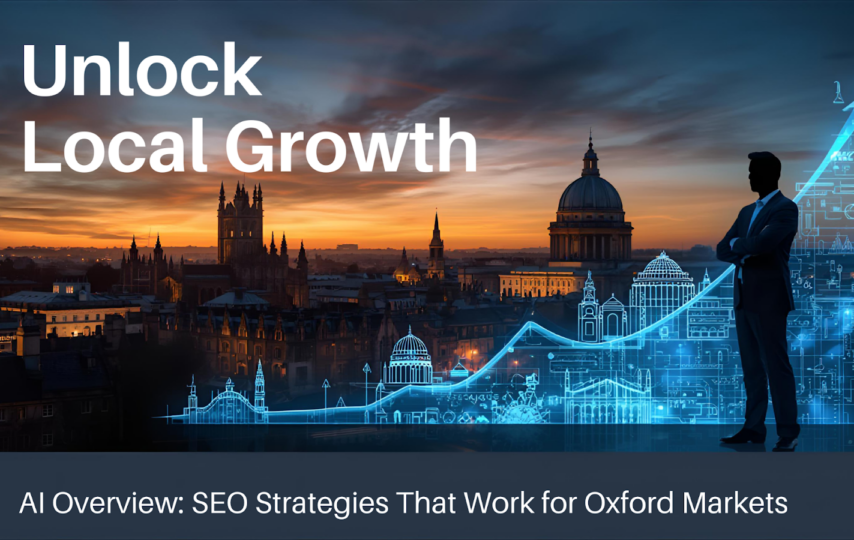

If you’re running a business in Oxford, UK, you may notice something changing in how people find local services. Google’s AI Overviews are reshaping search results with the Oxford SEO agency, and honestly, it’s both exciting and a bit nerve-wracking for local businesses.
But here’s the good news: with the right approach, you can make AI work for you instead of against you. Let me show you how Oxford businesses are adapting and thriving in this new landscape.
What Are AI Overviews and Why Should Oxford Businesses Care?
AI Overviews are those AI-generated summaries that now appear at the top of many Google searches. Instead of just seeing a list of links, searchers get a quick answer pulled from multiple sources.
For Oxford businesses, this matters because when someone searches “best café near Oxford Castle” or “reliable SEO company in Headington,” they might get their answer without clicking through to your site. That’s the challenge. But the opportunity? Getting featured in those AI summaries means massive visibility.
Strategy One: Become the Local Authority
AI loves authoritative, detailed content. For Oxford businesses, this means going deep on local expertise.
Let’s say you run a restaurant in Jericho. Don’t just list your menu. Write about the history of the neighborhood, share stories about local suppliers you work with, and explain what makes Oxford’s food scene unique. When AI needs to answer questions about dining in Oxford, you want your site to be the source it trusts.
Create content that answers real questions Oxford residents and visitors ask. “Where to eat before a show at the Oxford Playhouse?” “Best family-friendly restaurants near the Ashmolean Museum?” Be specific, be helpful, and show you know Oxford inside out.
Strategy Two: Structure Your Content for AI Reading
AI processes information differently from how humans do. Help it understand your content by using a clear structure.
Use descriptive headings that include location terms naturally. Instead of “Our Services,” try “Expert Roofing Services in North Oxford and Summertown.” Break information into clear sections. Use lists and bullet points when appropriate; AI finds these easier to parse and pull from.
Add schema markup to your website. This is code that tells search engines exactly what your content means. For Oxford businesses, the local business schema is gold. It helps AI understand your location, hours, services, and reviews.
Strategy Three: Optimize for “Near Me” and Hyperlocal Searches
Oxford isn’t just Oxford; it’s Cowley, Iffley, Botley, Summertown, and dozens of distinct neighborhoods. People search locally, so think hyperlocally.
Create dedicated pages or sections for the specific Oxford areas you serve. If you’re a cleaning service, have content about “House Cleaning in Summertown” separate from “Cleaning Services in East Oxford.” This specificity helps AI match you with the right searches.
Google Business Profile is more important than ever. Keep it updated with current photos, respond to reviews quickly, and post regularly. AI pulls heavily from these profiles when generating local recommendations.
Strategy Four: Answer Questions Before They’re Asked
Think like your Oxford customers. What do they worry about? What do they need to know before choosing your business?
A local accountant might answer, “How does Oxford University’s economy affect small business taxes?” A hotel near the station might explain “Best ways to get from Oxford Station to your hotel.” Create FAQ pages that address real concerns.
Voice search is huge for local queries. People ask their phones full questions: “Who does emergency plumbing in Oxford on weekends?” Structure some content to directly answer these conversational queries.
Strategy Five: Build Local Connections That Matter
AI considers your digital reputation across the web. For Oxford businesses, this means building genuine local connections.
Get listed in Oxford-specific directories and local blogs. Partner with other Oxford businesses and mention each other. Sponsor local events and make sure there’s online coverage. When the Oxford Mail or local bloggers write about you, that signals authority to AI.
Encourage reviews, but more importantly, respond to them thoughtfully. AI can detect engagement and responsiveness, and it factors into how trustworthy your business appears.
Strategy Six: Create Multi-Format Content
AI Overviews pull from various content types. Don’t just stick to text on your website.
Share local expertise on YouTube; maybe walking tours of Oxford with business tips, or how-to videos related to your service. Post genuinely helpful content on social media about Oxford life and your industry. The more quality content you create across platforms, the more touchpoints AI has to discover and recommend you.
Strategy Seven: Monitor and Adapt
Here’s the reality: AI Overview SEO is still evolving. What works today might shift tomorrow. Set up Google Search Console to track which queries bring people to your site. Notice when you appear in AI Overviews and study what content gets featured.
Pay attention to your Oxford competitors, too. Not to copy them, but to understand the local landscape. If a competitor consistently appears in AI summaries, analyze their content strategy.
The Human Touch Still Wins
Despite all this talk about AI, remember something crucial: you’re still serving real people in a real community. The best SEO strategy is to be genuinely helpful to Oxford residents and visitors.
Share your local knowledge generously. Be honest in your content. Show your personality. AI rewards authenticity because that’s what users want. A generic, keyword-stuffed page won’t cut it anymore, and frankly, that’s better for everyone.
Oxford is a special place with a unique character. Your business is part of that character. Let that shine through in everything you create online, and you’ll not only win with AI; you’ll win with the people who matter most: your customers.
The businesses thriving in Oxford’s AI-powered search landscape aren’t the ones gaming the system. They’re the ones showing up consistently, sharing genuine expertise, and serving their community well both online and off. That’s a strategy that works today and will keep working tomorrow.