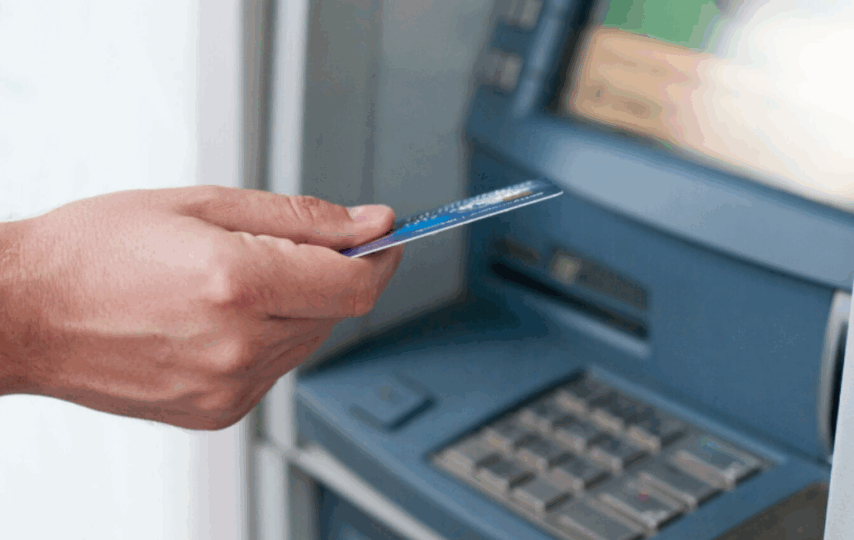

ATM fees may seem like a minor inconvenience, but they can quietly chip away at your money—especially if you’re someone who withdraws cash regularly from machines outside your bank’s network.
Whether you’re traveling, in a rush, or simply far from your bank’s ATM, using a different machine can cost you significantly over time. Understanding what ATM fees are and how to avoid them can help you make smarter banking choices.
Let’s walk through the basics of ATM fees, why they’re charged, and how you can minimize or eliminate them altogether.
What Are ATM Fees?
ATM fees are charges that you may incur when using an automated teller machine for services such as withdrawing cash, checking your balance, or making transfers. These fees typically occur when you use an ATM that is not part of your bank’s network.
In such cases, you may be charged by your bank for going out-of-network and also by the ATM operator who owns the machine. These combined charges can sometimes add up to $5 or more per transaction.
While in-network ATM use is usually free, the costs associated with out-of-network machines can pile up quickly.
Why Do Banks Charge ATM Fees?
Banks charge ATM fees for several reasons. Maintaining ATM infrastructure, partnering with third-party ATM networks, and processing transaction requests all come with operational costs. Charging fees helps offset these expenses and sometimes acts as a deterrent to using non-network ATMs.
Some banks also see ATM fees as a source of extra income. In fact, ATM fees collectively bring in billions of dollars each year for financial institutions. This is why understanding your bank’s fee structure is important if you want to avoid unnecessary charges.
How to Avoid ATM Fees
Avoiding ATM fees starts with being aware of your banking options and planning your cash withdrawals. One of the most effective ways to avoid fees is to use your own bank’s ATM network. Most banks offer online tools or mobile apps that show you nearby ATMs where you can withdraw cash for free.
Another strategy is to withdraw larger amounts less frequently. This minimizes how often you need to visit an ATM, reducing your exposure to potential fees. Additionally, many grocery stores and retail outlets offer cash back options when you make a debit card purchase—this can serve as a convenient alternative to an ATM.
Why Choose a Bank with No ATM Fees?
One of the simplest ways to eliminate ATM fees is to choose a bank with no ATM fees at all. These banks either offer access to extensive ATM networks or reimburse customers for fees charged by third-party ATMs. Many online banks like SoFi and modern credit unions fall into this category, offering national ATM coverage without penalty.
What sets these banks apart is their customer-first approach. They understand that accessing your own money shouldn’t come with a price tag, especially in a digital world where many people expect convenience and flexibility.
By eliminating or reimbursing ATM fees, these banks help customers keep more of their money without sacrificing access or convenience.