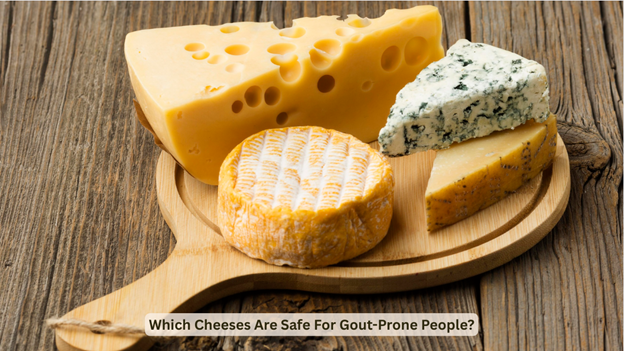
Gout is a form of arthritis that results from having too much uric acid in the bloodstream, leading to the development of crystals in joints, resulting in pain. Managing gout effectively often involves dietary adjustments, particularly reducing intake of purine-rich foods that elevate uric acid levels.
Many people think of gout and immediately associate it with red meats and seafood, but dairy cheese in particular can be a point of confusion.
So, can you eat cheese if you have gout? The good news is that many types of cheese are low in purines, and so as long as it fits within your normal gout-friendly diet, cheese can be eaten in regular portions.
In fact, some dairy products can even help minimize uric acid. That being said, not all cheeses are created equal. The type of cheese, its fat content, and how it’s processed can all impact its suitability.
Below are cheeses that are safe for people suffering from gout.
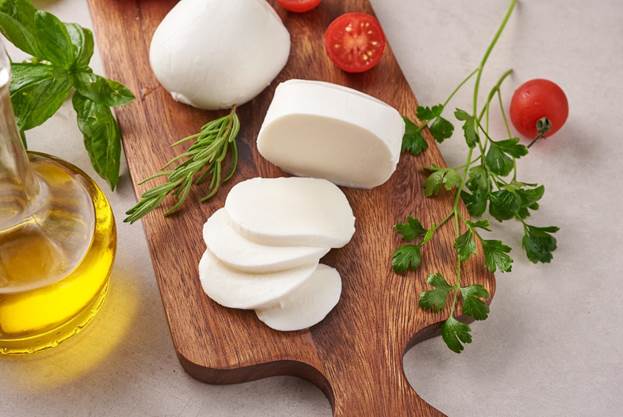
1. Mozzarella
Mozzarella cheese is one of the most gout-friendly cheeses available, especially the part-skim or low-moisture varieties. Mozzarella often has fewer purines, and per ounce, far less fat and sodium than the hard-aged cheeses. Fresh or lightly melted mozzarella is most frequently used in salads and on sandwiches.
If you’ve ever wondered if cheese is bad for gout, mozzarella makes a strong case for being one of the exceptions. It has a good balance of protein and calcium, meaning you can enjoy it in moderation without significantly increasing your uric acid levels. It is also one of the least processed cheeses, hence often not containing very many preservatives that may add to inflammation.
For those with dietary sensitivities, fresh mozzarella offers a clean and neutral flavor.
2. Cottage Cheese
Another good gout-friendly cheese is cottage cheese. It is low in purines and has little fat, especially if you go for reduced-fat or plain fat-free styles. This soft, mild cheese is a nutritious, low-fat variety that’s high in protein and calcium for stronger joints and bones without spiking uric acid just like Amazon Uric acid cleanse And because its purine content is very low, it contributes little to the body’s uric acid production.
Moreover, cottage cheese is less processed than many other cheeses, which reduces the risk of hidden additives that could aggravate gout symptoms. It can also fit into your diet since you can combine it with fruit, throw it on salads, or eat it plain.
On top of that, it provides a safe, healthy option for gout sufferers. It also complements many other dietary guidelines currently recommended with exercise for managing the condition, including weight management and heart health.
3. Ricotta Cheese
Ricotta cheese is an excellent choice for people who have gout. It is soft and mild, like cottage cheese, and very low in purines. Ricotta is produced using the whey that remains from strained cheese, which produces a light texture of curd and makes it lower in purine-containing protein. Its moderate fat content can be diminished by selecting part-skim or fat-free variations.
Ricotta is also high in calcium and vitamin A, and has less sodium than most hard cheeses, so it’s a mild option for gout sufferers who may be managing other health concerns like hypertension. It is excellent for use in sweet and savory pasta, spreads, and even desserts.
As with any cheese, portion control is key, but ricotta is generally safe when included in a balanced, gout-conscious diet.
4. Cream Cheese
Cream cheese may raise some eyebrows when it comes to gout management due to its higher fat content. Having said that, consuming it in a small amount can be safe for you even if you suffer from gout.
Cream cheese is fine, at least from a uric acid perspective, as it has very low purines. The key is to stick to healthier varieties and not over-indulge since too much saturated fat can lead to obesity, which studies suggest may heighten gout risk.
This, when combined with whole-grain bread and fruit or veggies, makes a great combo. It can be included in your menu, though, as long as it is part of a balanced diet and should not be consumed daily.
Avoid flavored versions that contain added sugars or preservatives and always read labels to ensure you’re getting a clean product.
5. Swiss Cheese
Swiss cheese is one of the healthier hard cheeses in moderation for those with gout. It is an aged cheese, but it remains low in purines and the majority have lower sodium levels compared to fellow aged cheeses such as cheddar, blue cheese, etc. Its firm texture and nutty flavor make it a satisfying choice for those who want to include a little variety in their diet without triggering a flare-up.
On top of that, Swiss cheese is also a good source of calcium and protein, and, as a hard cheese, it is lower in fat than many others, especially when you choose reduced-fat varieties. Its slow digestion and satiating properties make it easier to control portions, essential for maintaining a healthy weight, another critical factor in gout management.
Conclusion
When it comes to cheese, the trick is to balance purine loads and fat content with personal tolerance levels to specific types of dairy. Luckily, cheeses like cottage cheese, ricotta, mozzarella, cream cheese, Swiss, and parmesan have low purine levels and can be consumed moderately by a gout sufferer.
When consumed thoughtfully, these cheeses offer flavor, variety, and essential nutrients without triggering painful flare-ups. Thus, they can support better gout management when combined with a balanced diet.
Always consult your healthcare provider for personalized advice, but rest assured that with the right choices, enjoying cheese can still be part of a satisfying and gout-conscious lifestyle.