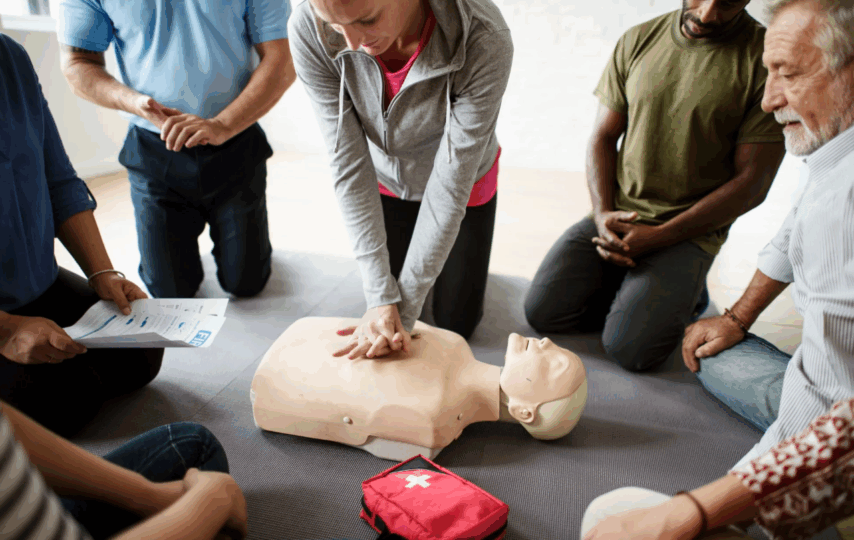

Parenting and caregiving come with countless responsibilities — from feeding and nurturing to guiding a child’s emotional development. However, one of the most critical aspects often overlooked is being prepared for emergencies. First aid training is not just a formality; it’s a vital skill set that can make all the difference when seconds count. Whether it’s a fall, burn, allergic reaction, or choking incident, having the right training empowers parents and caregivers to respond effectively and confidently.
The Importance of Being Prepared
Children are naturally curious and often unaware of danger. They can easily get into situations that require urgent care before professional help arrives. That’s where first aid training comes in. Courses such as the HLTAID011 first aid course cover the essential techniques needed to assess and manage a range of common injuries and medical emergencies. These skills are particularly valuable in the home, playground, or while travelling, where immediate help may not be readily available.
Learning how to manage choking, administer CPR, handle fractures, or even recognise early signs of illness can drastically reduce risks and potentially save lives. For caregivers of children with specific health conditions such as asthma, epilepsy, or severe allergies, training provides an added layer of reassurance and preparedness.
CPR Saves Lives — Especially for Children
Among the most crucial elements of first aid training is CPR. Cardiac emergencies are rare in children, but when they do occur — whether due to drowning, choking, or trauma — CPR can be life-saving. CPR training teaches how to assess an unconscious child or infant, deliver chest compressions and rescue breaths, and maintain circulation until help arrives.
Working with CPR first aid professionals ensures that trainees learn the correct techniques tailored to different age groups, including infants, toddlers, and older children. Understanding these age-specific methods is essential, as improper technique can do more harm than good.
Choosing the Right Training
When selecting a course, it’s important to choose one that is nationally recognised and up-to-date with current guidelines. The HLTAID011 first aid course is one of the most comprehensive and widely respected certifications in Australia. It covers not only CPR but also how to respond to various medical and trauma-related emergencies. This course is suitable for everyone — from new parents to experienced caregivers — and provides practical, hands-on training.
For residents in regional areas, finding accessible training is key. Fortunately, parents can now take advantage of first aid training Wagga options, which are designed to be both convenient and thorough. Local training centres offer flexible scheduling and expert instruction, helping busy families get certified without sacrificing quality.
Confidence and Peace of Mind
One of the greatest benefits of being trained in first aid is the confidence it brings. In stressful situations, hesitation and panic can worsen outcomes. Training provides the calm and clarity needed to take action swiftly and correctly. Parents and caregivers often find that their ability to respond in an emergency improves dramatically after attending a first aid course, and this peace of mind is priceless.
Moreover, having first aid certification demonstrates responsibility and diligence — qualities that are especially important when entrusting others with the care of children. Babysitters, nannies, and day-care providers who hold current first aid qualifications are not only more trustworthy but may also be more employable.
Final Thoughts
In a world where accidents and emergencies can happen without warning, first aid training is not optional for parents and caregivers — it’s essential. With options like first aid training Wagga, access to top-tier CPR first aid professionals, and nationally recognised programs such as the HLTAID011 first aid course, there’s no reason to delay. Investing in these life-saving skills today could mean the difference between panic and preparedness tomorrow.