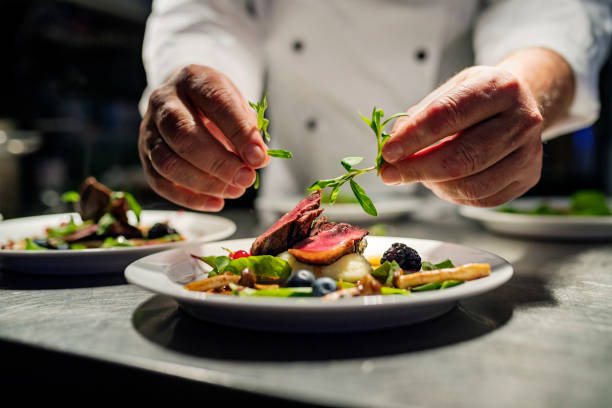

You didn’t become a chef to answer phones. You got into this business because you love food, creativity, and the magic that happens when everything comes together perfectly on a plate.
But running a restaurant means the phone rings. A lot. And someone needs to answer it.
The chef’s dilemma
Here’s the reality: your best work happens when you’re fully focused. Whether you’re developing a new dish, training your team, or navigating the intensity of service, interruptions kill momentum.
Every phone call is an interruption. And not just for you—for your entire operation. Someone has to stop what they’re doing, wipe their hands, step away from their station, and handle whoever’s calling.
Most of the time? It’s someone asking about opening hours. Or wondering if you have gluten-free options. Or booking a table for next Tuesday.
Important? Sure. Worth pulling your sous chef away from prep? Probably not.
What the old solutions got wrong
The traditional answer was hiring front-of-house staff specifically for phones. But that’s expensive, especially for independent operations. You’re paying someone to essentially wait for the phone to ring, which feels wasteful during slow periods.
Answering services were supposed to fix this. They didn’t. Generic operators reading scripts felt impersonal. Guests could tell they weren’t talking to someone who actually knew the restaurant. And taking messages instead of booking tables meant callbacks, phone tag, and lost reservations.
You need something that understands your restaurant specifically. Your menu, your philosophy, your way of doing things.
How ai changed the equation
Modern restaurant technology finally caught up to the actual problem. Bonnie and similar platforms use AI that doesn’t just answer phones—it understands restaurants.
The system learns your menu, policies, and style. When guests call, they have real conversations. Not robotic interactions, but natural exchanges that feel personal. The AI checks availability, books tables, notes special requests, and handles the details that matter.
For chefs, this means something profound: uninterrupted focus. Your kitchen runs without constant phone disruptions. Your staff stays engaged with their work. You create without breaking concentration every fifteen minutes.
Beyond basic booking
What makes these ai restaurant reservation systems valuable isn’t just answering calls. It’s understanding context. A caller asks about vegetarian options, mentions a birthday, and wants to book for six. Traditional systems handle one thing at a time. Modern AI processes everything simultaneously.
The platform books the table, notes it’s a birthday, flags the vegetarian requirement, and confirms via WhatsApp. Your team sees all this information before the guests arrive. No surprises. No last-minute scrambling.
It also handles the calls you physically can’t take. The reservation request at midnight. The question about next month’s availability when you’re closed on Mondays. The international guest calling from a different timezone.
What this means for quality
Less interruption means better food. That’s not marketing speak—it’s operational reality. When your team maintains focus, consistency improves. Timing tightens. Quality becomes more reliable.
The front-of-house benefits too. Without phones ringing constantly, staff give fuller attention to guests who are present. Service feels more attentive because it actually is.
These small improvements accumulate. Guests notice when everyone seems present and focused. When their server isn’t constantly distracted by a ringing phone. When special requests get executed perfectly because nothing was lost in translation.
The practical side
Setting up automated phone systems is surprisingly straightforward. You forward your restaurant number to the platform. Spend maybe thirty minutes inputting your menu and preferences. Then you’re live.
The system integrates with reservation platforms you’re likely already using. Formitable, Zenchef, TheFork—reservations sync automatically. No duplicate systems. No manual entry.
Cost-wise, it’s less than hiring even part-time reception staff. No benefits, no training time, no scheduling headaches. Just consistent coverage, 24/7.
The bigger picture
Great restaurants succeed because they execute their vision consistently. That’s hard to do when you’re constantly interrupted by operational noise.
Technology should remove friction, not add it. Automating phone answering isn’t about replacing human connection—it’s about enabling your team to focus on the human connections that actually matter. The ones happening at your tables, right now.
The phone will keep ringing. But whether it interrupts your work is now your choice.