The modern workplace is evolving at a rapid pace, driven largely by technological innovation. Businesses that stay ahead of emerging trends can not only increase efficiency but also enhance employee satisfaction and stay competitive. Here are some key workplace technology trends to watch out for in the coming years.
Artificial Intelligence and Automation
Artificial Intelligence (AI) is no longer a futuristic concept. It is becoming a standard part of many business processes. AI-powered tools are helping organizations automate routine tasks such as data entry, scheduling, and customer service. This shift allows employees to focus on higher-value work that requires creativity and critical thinking. Predictive analytics, another AI application, is enabling businesses to forecast trends, optimize supply chains, and make more informed strategic decisions.
Remote Work Technologies
The shift toward hybrid and remote work environments has accelerated the adoption of technologies that support collaboration from anywhere. Cloud-based platforms, video conferencing tools, and secure file-sharing services are now essential for maintaining productivity outside the traditional office setting. Companies are investing in virtual private networks (VPNs) and robust cybersecurity measures to ensure remote work does not compromise data security.
Cybersecurity Enhancements
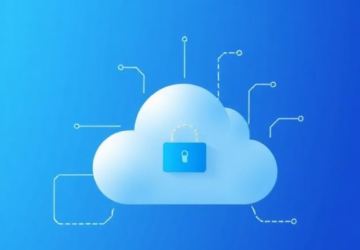
As businesses increasingly rely on digital tools, cybersecurity remains a top priority. Emerging technologies such as AI-driven threat detection, zero-trust security models, and advanced encryption protocols are helping organizations protect sensitive information. Employees also require ongoing training to recognize phishing attacks and other common cyber threats. Organizations often partner with specialized providers for guidance and infrastructure management. Companies offering Ottawa IT support and solutions can ensure that their security protocols and IT systems remain reliable, scalable, and up to date.
Collaboration and Productivity Tools
New collaboration tools are changing the way teams communicate and work together. Platforms that integrate messaging, video calls, task management, and file sharing into a single interface are helping teams streamline workflows. Artificial intelligence within these tools can automate meeting notes, track project progress, and even suggest task prioritization, making day-to-day work more efficient.
Augmented and Virtual Reality (AR/VR)
AR and VR technologies are no longer confined to the gaming world. They are finding practical applications in training, design, and customer engagement. For instance, immersive VR training programs allow employees to practice complex procedures in a risk-free environment. Similarly, AR applications can provide on-the-spot guidance for maintenance, assembly, or troubleshooting, improving accuracy and reducing downtime.
Internet of Things (IoT) Integration
The Internet of Things is connecting devices, sensors, and systems to create smarter workplaces. IoT can improve energy efficiency by monitoring building systems, enhance safety through wearable devices, and optimize logistics with smart inventory tracking. Businesses leveraging IoT can make data-driven decisions in real time, leading to greater operational efficiency.
Employee Experience Platforms
Technology that focuses on employee experience is gaining traction. Platforms that combine HR, wellness, and productivity tools into a unified system help organizations understand employee needs and foster engagement. AI-driven analytics can predict employee burnout, suggest personalized development opportunities, and enhance overall satisfaction.
Conclusion
Staying ahead in today’s competitive business environment requires embracing technological innovations that improve efficiency, security, and employee satisfaction. From AI and automation to AR/VR and IoT, these trends are transforming workplaces into smarter, more adaptive environments.
By monitoring these trends and integrating the right tools, organizations can create a workplace that not only meets current demands but also anticipates future challenges. Businesses that invest strategically in technology today will be better positioned for success tomorrow.