
The Devices Pile Up Faster Than the Solutions
You upgrade your phone every two years. Maybe sooner if the battery starts holding less charge or the camera no longer feels sharp enough for Instagram. Your laptop is due for replacement every few years because software gets heavier, the hardware slows, and let’s face it—new models look sleeker. Tech companies thrive on this cycle, quietly encouraging the constant churn.
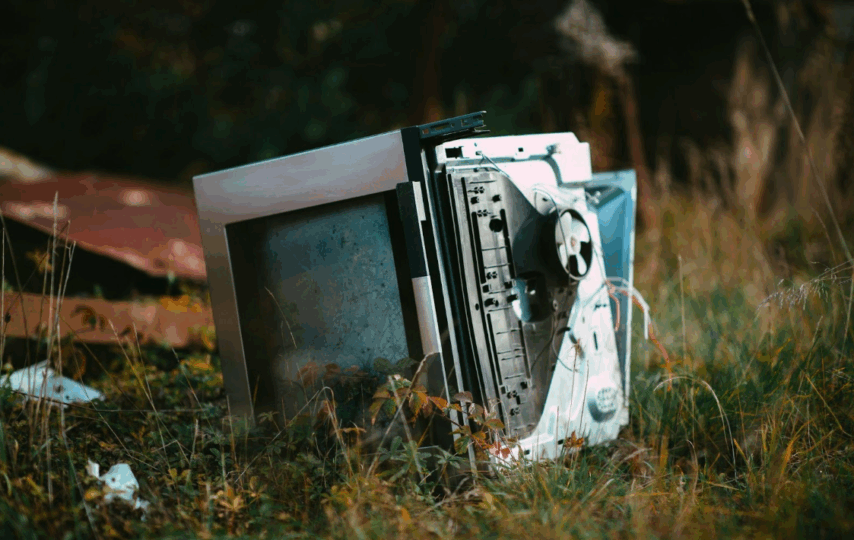
What nobody likes to discuss is the pile this leaves behind. Devices that were once the cutting edge now sit in drawers, closets, and storage units. Those not kept as electronic graveyard relics often end up in places we’d rather not imagine.
The Myth of Clean Tech
The tech industry sells innovation as clean and forward-looking. Marketing campaigns highlight sustainability pledges, carbon offset programs, and environmentally friendly packaging. But the hardware still needs materials. Rare earth metals, steel, copper, aluminum, and countless other components keep devices running. These materials do not appear out of nowhere, and when devices are discarded, they do not vanish neatly either.
If technology were truly sustainable, there would be a seamless loop for reusing those materials efficiently. The reality is far more complicated, with much of the valuable metal still being discarded or processed poorly.
Reliable Metal Recycling Is the Unseen Backbone
This is where reliable recycling makes a difference. Companies like Canada Iron operate quietly in the background, handling the messy part of the clean tech image. They take in the raw scrap, break it down, and recover valuable metals that can go back into manufacturing.
Reliable recycling may not grab headlines, but it keeps the supply chain moving. Every recovered ton of metal reduces the need for additional mining, cuts waste, and provides manufacturers with materials they can use without starting from scratch. In the broader context, it is a stabilizing force in a volatile industry.
Why the Recycling Matters More Than the Marketing
Recycling metals is not about feeling good or making a token nod to environmentalism. It is about maintaining the supply of essential materials. Tech manufacturing depends on metals in consistent quality and quantity. Without recycling, the demand for raw materials would skyrocket, prices would rise, and the environmental damage from extraction would multiply.
The recycling industry absorbs a portion of that demand. It takes what is otherwise discarded and turns it back into something usable. Reliable recycling services ensure those materials are processed properly, not just for appearance but for functionality.
Tech’s Future Relies on What You Throw Away
The next wave of innovation is already being developed. Those devices will require just as many materials as the last. If the industry wants to sustain its pace without creating an environmental disaster, it will need more than clever marketing. It will need infrastructure that can keep up with its consumption.
Reliable metal recycling is not glamorous. It will not appear in a glossy product launch. But without it, the shiny new devices people obsess over would become much harder, and much more expensive, to produce. The tech industry’s future may be built on innovation, but it is held together by what happens to the scrap it leaves behind.