
If your living room now doubles as your gym, you’re not alone—the equipment you choose matters more than it did a few years ago. Today’s home exercise innovations are smarter, quieter, more compact, and easier to build into a real routine. At the same time, wellness technology trends are connecting fitness with sleep, stress, recovery, and even mood.
This shift is practical, not just trendy. Consumer units spent $111.80 on athletic gear, game tables, and exercise equipment in 2021, more than double the average spending of $54.33 in 2020. So yes, the home gym has grown up.
Smart Wearables Redefining Personalized Home Fitness
The first upgrade often starts small: a watch, a ring, or a sensor built into clothing. These tools give you useful feedback without requiring a personal trainer hovering nearby.
From Step Counters to Body Insight
Wearables have moved far beyond counting steps. Smartwatches and fitness rings now track heart rate, sleep quality, blood oxygen, stress patterns, and recovery. That helps you decide whether today should be a hard cardio day, a strength session, or a slower mobility workout.
Connected apparel is also getting better. Some pieces use sensors to monitor posture, breathing, and muscle effort. It may sound futuristic, but for at-home workouts, that kind of guidance can be surprisingly useful.
Motivation and Accountability With AI-Driven Wearables
Good wearables do more than collect numbers. They turn those numbers into simple cues you can actually use. If you want joint-friendly cardio, pairing your tracker with a workout trampoline for adults can help you watch your intensity while keeping impact low.
When shopping, look for a clean app, strong battery life, and coaching that fits your goals. The right device should make your routine feel clearer, not more complicated.
Choosing the Right Device
Choose based on your main goal. If you care about strength, sleep and recovery data matter. If cardio is your focus, heart-rate zones may be more important.
Wearables can show how your body responds. But they don’t always make exercise feel fun. That’s where immersive fitness tools come in.
Immersive Fitness Tech for Home: VR, AR, and Connected Apps
Once you have useful data, immersive tools can make the experience more engaging. VR, AR, and connected apps can turn a basic workout into something coached, social, and honestly less boring.
VR Workouts That Feel Less Like Exercise
Virtual reality boxing, dancing, cycling, and rhythm games can make 20 minutes pass quickly. Instead of staring at the same wall, you’re moving through a game-like environment that rewards effort and consistency.
This kind of fitness tech for home is especially helpful if boredom keeps derailing your plans. When exercise feels playful, it becomes easier to show up again tomorrow.
AR Guidance and Smart Mirrors
Augmented reality apps and smart mirrors can display form tips, rep counts, and instructor feedback in your workout area. They’re useful if you want coaching without commuting to a studio.
Some systems also adjust workouts based on your performance. Are they perfect? Not quite. But they can remove a lot of guesswork.
Virtual Group Classes and Social Connectivity
Leaderboards, live sessions, and shared challenges add the social spark many solo workouts lack. You can train with friends, compete casually, or follow real-time instructor cues from home.
Immersive apps can boost motivation. Still, your results depend on equipment that fits your space, budget, and daily life.
Functional and Compact Home Workout Equipment 2024
Compact gear is having a moment, and for good reason. Not everyone has room for a garage gym. The best tools fold, stack, slide away, or live neatly in a corner.
All-in-One Machines and Digital Resistance
Digital resistance systems replace bulky weight stacks with smart tension controls. They work well for strength training, especially in smaller homes or shared spaces.
Modular dumbbells are another practical choice. One adjustable pair can replace a full rack, which keeps spare rooms and apartments from turning into clutter caves. We’ve all seen that happen.
Rebounding for Low-Impact Cardio
Rebound exercise considerably reduced the BMI (SMD = 0.48 (0.26, 0.69), P < 0.01 … rebound exercise also notably affected balance in adults with overweight and obesity (SMD = −0.62 (−0.98, −0.26), P < 0.01)
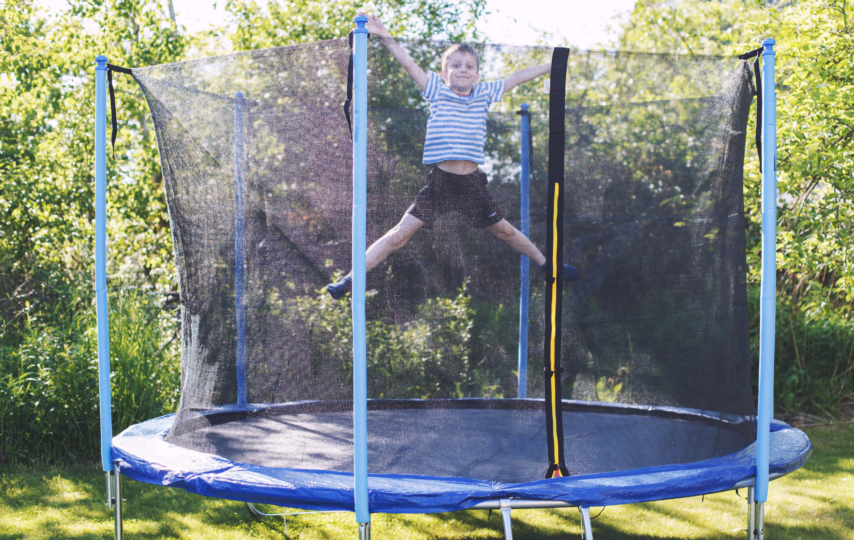
Mini trampolines with sturdy frames, quiet bungee cords, and non-slip surfaces are a smart option for adults who want cardio without pounding their joints. Start with easy bouncing. Then add intervals, arm movements, or light resistance bands once you feel steady.
Matching Gear to Your Routine
Here’s a quick way to compare popular choices:
| Innovation | Best For | Smart Buying Tip |
| Fitness ring | Recovery tracking | Choose comfort first |
| VR headset | Motivation | Check workout library |
| Modular weights | Strength | Test grip feel |
| Rebounder | Low-impact cardio | Look for quiet bungees |
| Smart mirror | Coaching | Review monthly costs |
Space-saving equipment solves the “where do I put this?” problem. But progress also depends on recovery, stress, and everyday health signals.
Wellness Technology Trends for Holistic Health Monitoring
Compact equipment helps you move more often, but fitness is not only about reps and sweat. New wellness tools also track hydration, recovery, air quality, and stress.
Smart Home Gyms That Read More Than Effort
Some connected gyms now monitor movement quality, heart-rate response, and readiness to train. A few also sync with sleep trackers, nutrition apps, or hydration reminders.
That’s where wellness technology trends become more helpful. They show patterns over time instead of isolated workout numbers.
Recovery Tech for Better Performance
Percussive therapy tools, smart foam rollers, compression boots, and infrared sauna blankets are moving into everyday homes. Used wisely, they can help sore muscles feel better and make the next workout less intimidating.
Still, don’t make recovery harder than it needs to be. A foam roller, solid sleep, and steady hydration can go a long way.
Mental Wellness Tools at Home
Mood lighting, guided meditation apps, breathing trainers, and biofeedback devices support the calmer side of fitness. They’re useful when stress makes exercise feel like another task on an already packed list.
Holistic monitoring reminds you that health is more than intensity. It is also consistency, recovery, and balance.
Sustainable Home Exercise Innovations for a Greener Workout
Sustainability is becoming part of smarter training. People want equipment that performs well, lasts longer, and avoids unnecessary waste.
Energy-Smart and Low-Waste Gear
Some bikes and cardio machines can generate small amounts of usable energy while you exercise. The output may be modest, but the idea changes how you think about movement and waste.
Recycled rubber mats, cork yoga blocks, and low-odor flooring are easy upgrades. They can make your workout area cleaner, safer, and more pleasant to use.
Buying Less, Buying Better
Durable equipment is often greener than cheap gear that breaks quickly. Look for replaceable parts, strong warranties, and materials built for regular use.
This is where home exercise innovations overlap with common sense. Better-made tools usually cost less over time because you do not keep replacing them.
Upcycling Your Workout Space
Old shelves can hold resistance bands. Baskets can store towels. An unused rug can define a movement zone. You do not need a designer home gym to make your space feel intentional.
Eco-friendly choices prove you can train responsibly without giving up performance.
Actionable Strategies for Building a Smart, Adaptable Home Gym
Now bring it all together. A strong home gym is not about owning every new gadget. It is about choosing tools that fit your real life.
Create Zones That Invite Movement
If space allows, create one area for strength, one for cardio, and one for recovery. Even a small corner can work when the lighting, storage, and flooring feel right.
Keep your most-used tools within reach. If something is buried in a closet, let’s be honest, it probably won’t get used.
Combine Digital and Analog Tools
Use apps for coaching, wearables for feedback, and simple gear for variety. Bands, dumbbells, mats, and rebounders still deserve a place beside newer tech.
This mix is what makes transforming home workouts feel personal instead of overwhelming. You are building a routine, not a showroom.
Upgrade in Stages
Start with your biggest barrier. Is it boredom, joint pain, limited space, or poor recovery? Choose one upgrade that directly solves that problem.
Once your home gym works as a small ecosystem, the next decisions become much easier.
Common Questions About Home Wellness and Fitness Tech
What are the latest trends in wellness?
Global Wellness Summit Releases 10 Wellness Trends for 2026: An Over-Optimization Backlash, The Year of Women, Longevity Expands in New Directions, and Wellness Tackles Major Environmental and Human Crises are among the big themes.
What are 5 self-care activities?
Five simple self-care activities include reading a book, giving yourself a manicure or pedicure, drinking herbal tea, cooking something new, and listening to music. Crafts, drawing, and watching a favorite show also count.
What are the 5 health-related exercises?
The five health-related fitness areas are cardiovascular endurance, muscular strength, muscular endurance, flexibility, and body composition, according to Fit Day. A balanced home routine should touch each area during the week.
Final Thoughts on Smarter Home Exercise
The best home workout equipment 2024 is not just compact or high-tech. It helps you move more often, recover better, and enjoy the process. Wearables, immersive apps, rebounders, recovery tools, and sustainable gear are all wellness technology trends worth watching.
Start with one change that fixes a real problem in your routine. Then build from there. Your home workout does not need to be perfect. It just needs to be easy enough to repeat.