
Science doesn’t stand still for long. The moment we think we’ve caught up, something new appears and changes everything again. That’s kind of what’s happening right now with biotechnology and data science.
What used to be two different worlds are now blending into one. It’s an exciting space — a mix of lab work, coding, and big ideas. It’s also where some of the most interesting discoveries are happening.
Where Biology Meets Data
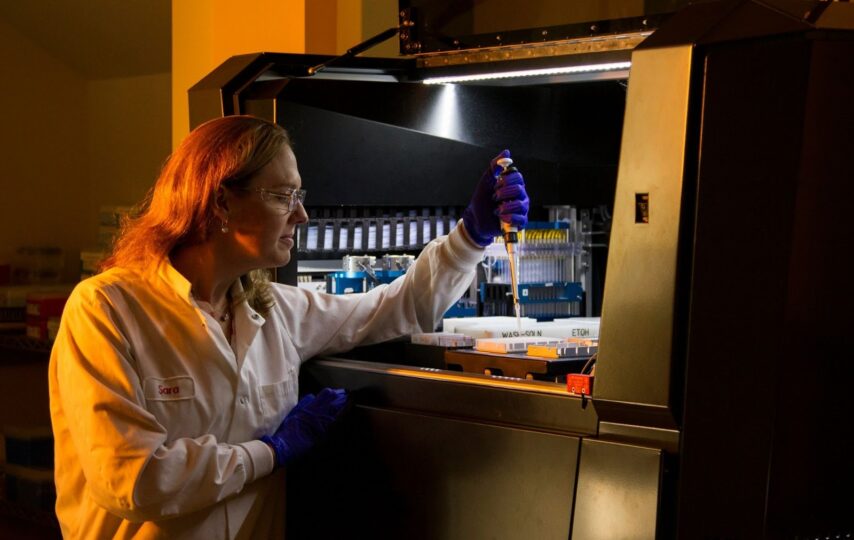
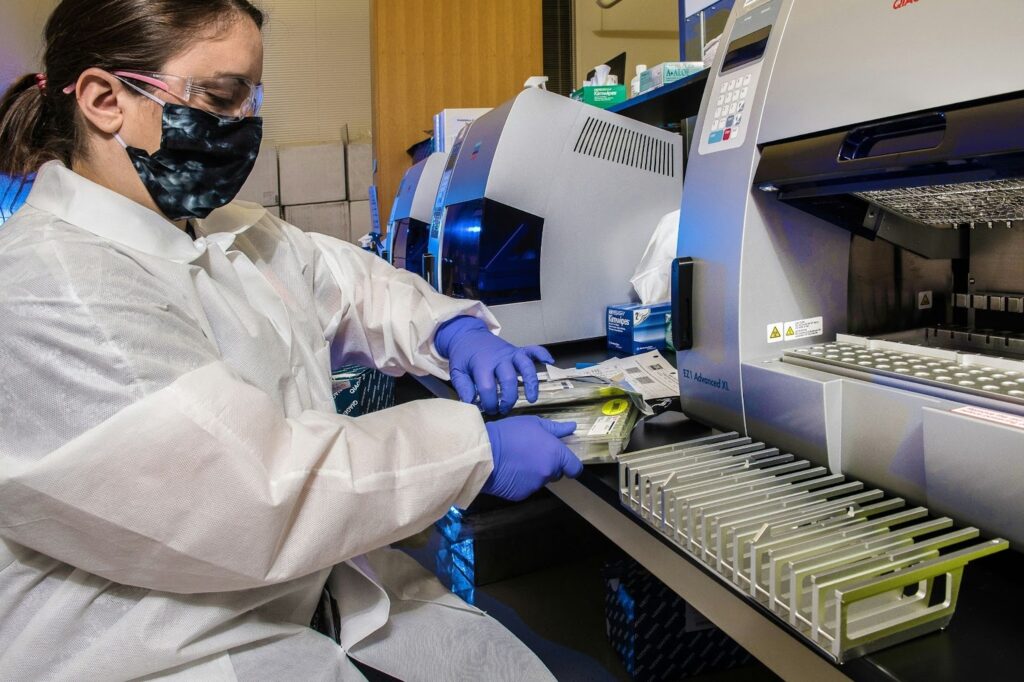
Biology used to be slow work. Scientists would spend hours in labs, carefully running tests and waiting for results. These days, the setup looks very different. You’ll see computers running next to microscopes, and researchers switching between spreadsheets and slides. It’s all part of the same process now.
One technique that really shows this mix in action is single cell sequencing. It allows scientists to study one cell at a time instead of a whole bunch together. That might sound small, but it’s huge. Each cell tells its own story, and data science helps decode it. Algorithms pull patterns from what looks like chaos. It’s a way to turn raw biological noise into something we can understand.
Data as the New Discovery Tool
Data is at the center of almost everything in modern research. Every scan, every test, every experiment creates it. Without the right tools, it’s just noise. With data science, it becomes knowledge. Machine learning helps spot patterns, predict results, and even flag mistakes before they turn into bigger problems.
A decade ago, scientists had to rely on small samples and long waits. Now, they can work through massive datasets in a day. That’s a big shift. It’s also a reason discoveries are happening faster. Data has become a kind of lab assistant — one that never sleeps and never forgets.
Collaboration Makes It Work
This new kind of science depends on teamwork. You can’t just be a biologist anymore. You might need to know a bit of coding, or at least work with someone who does. A single project can involve geneticists, data analysts, and software engineers all at once. They bring different skills to the table, and together they create results that none of them could reach alone.
It’s not always smooth, though. They don’t all think the same way or use the same language. But that mix — that little bit of friction — is what pushes ideas forward. A biologist asks why. A data scientist asks how. Somewhere in the middle, they find answers.
Real-World Impact
What’s exciting is that this connection isn’t just stuck in research labs. It’s everywhere now. Hospitals use it to design personalized treatments. Farmers use data and biotech tools to grow better crops. Environmental scientists use it to track pollution and predict changes before they happen.
Think about it like this: a genetic model can show how a certain gene might respond to a new drug. That kind of prediction saves years of testing. It means faster treatments, fewer side effects, and better outcomes. The mix of biology and data doesn’t just change research — it changes lives.
The Hard Parts Nobody Sees
For all the progress, there are still challenges. Data isn’t always perfect. A small error can throw off results and lead to bad conclusions. Handling huge amounts of information also takes money, equipment, and storage. Not every research team has that.
Then there’s the question of ethics. Genetic data is sensitive. It says a lot about a person — their health, ancestry, maybe even their future risks. Protecting that data is serious business. Science can’t move faster than our sense of responsibility. People’s trust matters just as much as the technology.
A New Kind of Education
You can see this shift in universities too. They’re starting to teach students both sides of the equation — biology and data. The goal isn’t to turn everyone into computer scientists but to give them the tools to talk across fields. Students who understand both lab work and coding can spot opportunities others might miss.
This mix of knowledge creates a new kind of scientist. One who’s comfortable with uncertainty, curious about connections, and not afraid of numbers. They can read data like a story and biology like a system. That’s where the future is heading.
The Road Ahead
The partnership between biotech and data science is still growing. As tools get smarter, the pace of discovery will only speed up. One day, researchers might use real-time data to predict genetic outcomes or stop diseases before symptoms appear. It sounds futuristic, but we’re already moving in that direction.
The real trick will be keeping balance. Data can guide decisions, but it shouldn’t replace human judgment. The best breakthroughs happen when logic meets intuition — when the numbers point one way, but a curious mind asks, “What if?”
Wrapping It Up
The intersection of biotechnology and data science isn’t just another trend. It’s a permanent shift in how we explore life. Every experiment now comes with data, and every dataset holds the potential for discovery. From single cell sequencing to machine learning, this is where modern science lives.
It’s messy, exciting, and full of promise. And maybe that’s the beauty of it — progress born from a mix of logic, curiosity, and a bit of chaos. The future of research isn’t in one field or the other. It’s in the space where both collide.