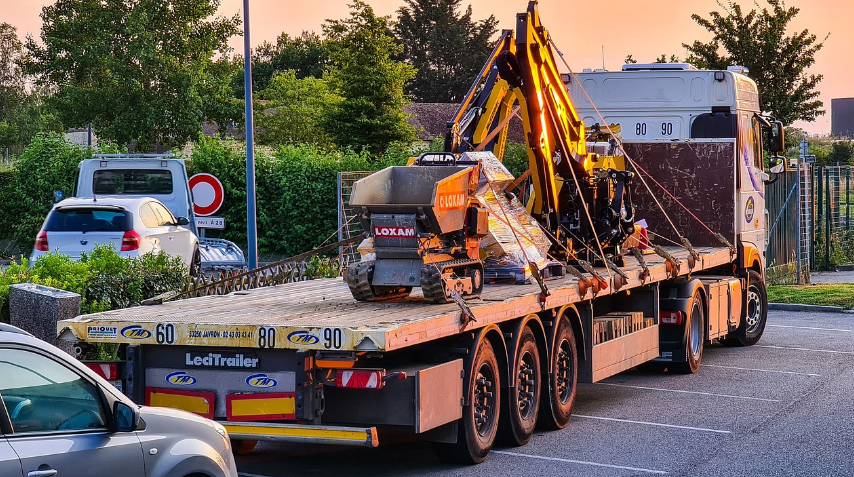

If you’re planning to move a few items around town, you may already have decided that you’re going to use a trailer or your trusty ute to get the job done. Your next step is to decide how you’re going to secure your cargo.
Some people may choose to opt for ropes or chains, but experts advise that using an even amount of ratchet straps correctly will ensure a safe and secure load. This is essential, no matter how short your driving distance is. If you’re getting ready to use ratchet straps for the first time, then this post is a must-read.
Using Ratchet Straps Safely Ensures a Safe Load
Commonly also called tie-down straps, ratchet straps are easy to use, and their unique design has been structured with safety in mind. We’ve compiled a list of the top safety tips to consider when you’re securing your cargo.
- Always Opt for the Right Strap for the Job
Seeing ratchet straps for the first time may leave you thinking that one is just like the other. However, that’s not the case. Ratchet straps are designed with different weight capacities and lengths in mind. Here’s what you need to know when you’re shopping for your first set of ratchet straps:
- Weight capacity: Always check that the weight capacity listed on the strap can hold the weight of the item you’re going to move. For instance, a flimsy strap won’t hold a motorbike.
- Length: Ensure you have the right length of the strap. Straps should go over your cargo without any strain that might result in snapping. Avoid excessively long straps as they shouldn’t hang over the side of the cargo.
- Hooks: Ensure you have the right type of hook for the type of cargo you’re tying down. Speak to your supplier or retail agent about the right hook for your cargo type.
- Learn how to Use the Strap Correctly
Your next step is to practice using the straps correctly before your scheduled move. Fortunately, using them is easier than you think. Simply follow these few tips:
- The loose end of the strap should be placed into the mandrel of the ratchet.
- Pull the strap through the slot in the mandrel.
- Pull the slack out of the strap to make the strap tight.
- Crank the ratchet to the desired tightening.
- Make sure the strap stays in line with the other to avoid tangling or locking.
- Lock the handle down after tightening to secure the strap.
It’s important to remove the ratchet straps slowly and correctly when you untie the load. This is essential to keep the straps from getting torn or damaged.
- Always Opt for the Right Quantity
You may think that you only need one strap because you’re only securing a small or single item. Here, it’s essential to note that the industry standard in logistics and transportation is to use tie-down straps in pairs. This ensures that your cargo is still secure if one strap snaps or becomes worn. In some instances, you may also have to use different pairs of straps if you have items varying in weight.
- Always Inspect the Straps Before Use
Whether you’re buying new straps, borrowing some from a friend, or using ones that you’ve had in the garage for years, it’s essential to inspect them before use. Even “minor” damages like small nicks or tears can easily reduce the strap’s ability to keep your cargo on the transport vehicle.
Inspect your tie-down ratchet straps for damages that include tears, holes, worn stitches, or any form of corrosion. If you have previously used the straps to transport chemicals, you also need to check them for acid, alkali, or any other chemical burns that might have occurred from some liquid spilling on them during previous use.
- Proper Storage is Essential
If you’re wondering what storage has to do with actual use, the answer is quite simple. More often than not, ratchet straps get damaged in the way they’re stored. There are three golden rules to storing your ratchet tie-down straps:
- Avoid exposure to moisture as this could cause mould or mildew. Both of which can weaken the fibres of the straps. If straps are used in the rain, ensure they’re dried out and inspected before storage.
- Store ratchet straps in a cool, dry, and dark place. Straps exposed to the sun’s harmful rays can also weaken the material. Ideally, they should be stored on a shelf in a cupboard.
- Avoid heat and friction that could also result in weakening issues. This often happens when straps rub against each other during transport.
Final Thoughts
Whether you’re using a set of ratchet straps for the first time or hauling cargo is a regular event for you, adhering to safety protocols is essential for safety. Following the tips in our post, combined with a few recommendations from your rental agent, will ensure that your cargo is safe, no matter how short the distance or how light the load is. Opting to use your ratchet straps correctly ensures that everyone around your vehicle isn’t in danger as a result of your cargo.