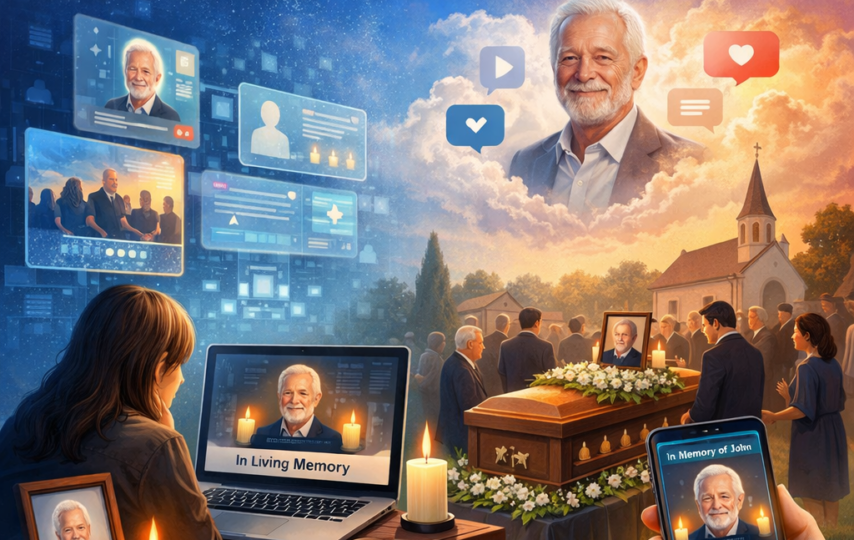

As technology advances, it’s changing even the most ancient traditions, including how we handle funerals. While physical memorials like granite headstones remain a timeless way to honor the deceased, digital services like online cremation, virtual burial sites, and e-funerals are creating new ways to grieve and remember.
This shift makes memorial practices accessible to a wider audience and encourages more creative approaches to celebrating a life. This article will examine how digital tools, such as online memorials, virtual reality (VR), and artificial intelligence (AI), are shaping modern funeral care.
The rise of digital memorials
The shift toward digital memorials gained significant momentum during the COVID-19 pandemic. With social distancing and travel restrictions limiting large gatherings, families needed alternative ways to mourn. Virtual funerals and online memorials allowed friends and family to attend services from anywhere in the world.
While the pandemic accelerated their adoption, the concept of digital memorials isn’t new. In a world where people are comfortable sharing their lives online, it was a natural progression for memorials to find a home in the digital space. Today, many families choose virtual memorials for their flexibility, inclusivity, and permanence.
Types of digital memorials
Digital memorial services come in various forms, offering families many ways to personalize the experience:
- Online memorial pages: These websites allow loved ones to leave messages, share photos, and post obituaries, creating a lasting digital legacy. Platforms like Legacy.com and Memories.net let users build tributes that remain accessible long after a service.
- Virtual funerals: Entire services are live-streamed online, allowing people from across the globe to attend and participate in real-time.
- Hybrid funerals: These services combine an in-person gathering with a live stream for remote attendees. Platforms like Zoom and Facebook Live have become popular for broadcasting funerals.
- Digital keepsakes: Video montages, memorial slideshows, and even 3D renderings offer unique ways to celebrate a loved one’s life.
Virtual and live-streamed funerals
Live-streaming has become one of the most impactful technologies in the funeral industry. Remote attendees can watch the entire service, from the eulogies to the closing of the casket, making the experience feel almost like being there in person. This is particularly valuable for family and friends who live abroad, are unwell, or cannot travel.
Services like Zoom and OneRoom often include recording and replay options, allowing families to revisit the memorial at any time. Many also feature live chat, enabling remote attendees to share condolences and memories in real-time.
Online memorial platforms
Digital memorial platforms have revolutionized the way we commemorate loved ones, offering a variety of tools to create personalized and meaningful tributes. These platforms allow families to craft unique memorials that preserve the memories of the deceased while fostering connection among those who cared for them. Here are a few notable options:
- Honoryou.com: Honor You is a leading platform for designing personalized funeral products, ranging from photo and video montages to dynamic digital tributes. It’s a one-stop shop for creating heartfelt, visual memories that truly capture the essence of the individual.
- Legacy.com: This well-known site enables users to create custom memorial pages that include photos, videos, and a virtual guestbook where loved ones can share messages of remembrance. Legacy.com also facilitates the sharing of obituaries on social media, making it easier for families to reach a wider network.
- Everplans: More than just a memorial platform, Everplans focuses on helping families prepare for the future. It offers tools for pre-planning funerals, storing essential documents, and sharing detailed “digital death instructions” to ease the logistical burden during an already emotional time.
- Keeper: Known for its collaborative features, Keeper allows multiple contributors to add stories, photos, and other memories. This creates an inclusive memory archive that brings loved ones together, even if they are physically apart, to collectively honor the deceased.
These platforms simplify the grieving process by making memorials accessible from anywhere at any time. Many also provide ongoing support, such as anniversary reminders and additional tools to keep families connected as they navigate their loss.
Interactive and collaborative memorials
Digital memorials go beyond traditional tributes, offering a new level of interaction that enhances the grieving process. Unlike physical funeral programs, which often have limited space, online memorial platforms can hold an expansive, nearly limitless amount of content. Families can upload not only photos and videos but also written stories, accomplishments, and other meaningful details that paint a fuller picture of the deceased’s life.
Some platforms even encourage live interaction. For example, during virtual memorial services, attendees can leave real-time comments and contribute to collaborative digital memory books. These features create a dynamic and engaging environment where loved ones can actively participate in the grieving process.
Platforms like Tribute and Memorialize make it easy for family members to curate collections of life moments, from childhood snapshots to professional achievements. This is particularly valuable for families or friends separated by distance, as they can collaborate remotely to build a rich and comprehensive digital memorial. By enabling people across the globe to contribute, these platforms foster a sense of togetherness that transcends physical barriers.
How digital memorials are shaping traditions
Funerals have long been rooted in physical traditions, such as viewings, church services, and gravesite ceremonies. However, the emergence of digital memorials is reshaping these customs by introducing virtual elements that complement or even replace in-person gatherings.
Digital spaces now allow mourners to come together online, creating a virtual setting to honor the deceased and share their grief. These virtual gatherings are often integrated with physical events, enabling both in-person attendees and remote participants to feel included. For example, a livestreamed funeral service allows those who cannot travel to still witness and participate in the ceremony, ensuring no one feels left out due to distance or other limitations.
Visits to gravesites are also being supplemented, and in some cases replaced, by visits to online memorial pages. These digital spaces provide an enduring place for mourners to leave virtual flowers, write notes of remembrance, or light digital candles. The ability to revisit a memorial — whether physical or digital — helps bridge the gap between traditional rituals and modern grieving practices.
By blending time-honored customs with new digital tools, these platforms are not only transforming how we mourn but also expanding the ways we can preserve and celebrate the lives of those we’ve lost. Digital memorials ensure that memories are not confined to a specific place or moment, offering a lasting tribute that truly honors the essence of a loved one.