
You want a summer camps that balances fun, skill-building, and safety for your child — and choosing the right camp makes that possible. Summer camp can deliver outdoor adventure, creative arts, sports, STEM learning, or focused academic enrichment tailored to different ages and interests, helping kids grow socially and cognitively while having fun.
This guide breaks down the types of camp experiences available and the clear benefits they offer, so you can match your child’s personality and goals with programs like day camps, overnight stays, specialty camps (arts, sports, STEM), and affordable or community options. Expect practical tips on what to look for in staff, schedules, and program goals to make a confident choice this summer.
Types of Camp Experiences
You’ll find camps that fit different schedules, living arrangements, and focused activities. Each option changes daily routines, supervision levels, and what your child will learn or do.
Day Programs
Day camps run during daytime hours and return children to home each evening. They suit families who want activity-packed days without overnight stays and are ideal for younger kids or beginners.
Typical day camp features:
- Drop-off/pick-up windows, before- and after-care options.
- Structured activity blocks: sports, crafts, science labs, and free play.
- Staff ratios often 1:8–1:12 for young children, higher for teens.
Look for specifics when choosing:
- Transportation: shuttle vs. parent drop-off.
- Meal policy: packed lunch vs. onsite lunch/snack.
- Schedule intensity: full-day (6–9 hours) vs. half-day sessions.
Overnight Options
Overnight (residential) camps house campers in cabins or lodges for multi-day sessions. They build independence through sleepaway experiences, team living, and longer skill immersion.
Key elements to check:
- Session length: single weekend, one-week, or multi-week stays.
- Supervision and health services: on-site nurse, emergency protocols, counselor qualifications.
- Living arrangements: mixed-age cabins, roommate policies, and visitor rules.
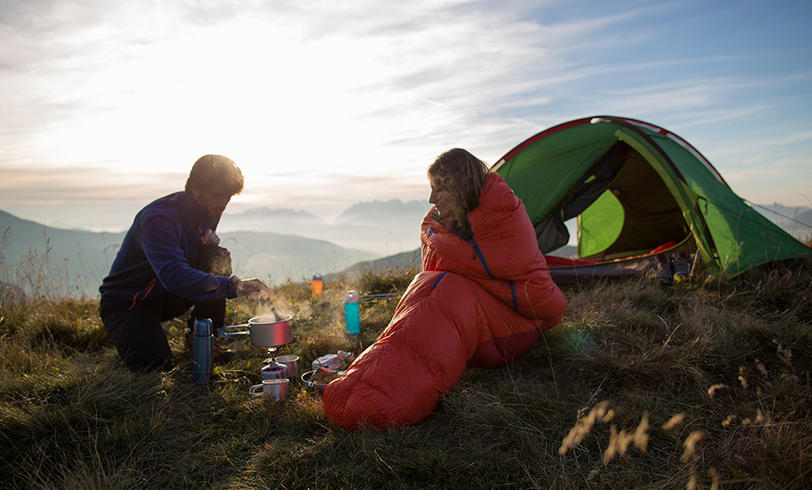
Activities often include evening programs—campfires, night hikes, and multi-day trips—that deepen social bonds. You should verify privacy rules, homesickness support, and what items to pack.
Specialty Themes
Specialty camps focus on a single area like STEM, arts, sports, or adaptive programs for special needs. They deliver concentrated instruction and often use instructors with subject-specific credentials.
Common specialty types:
- STEM/Robotics: project-based learning, competitions, maker labs.
- Arts: theater productions, portfolio development, master classes.
- Sports: position coaching, tournaments, skill progression plans.
- Therapeutic/special-needs: individualized plans, trained support staff, adaptive equipment.
Assess program depth by reviewing daily curriculum, instructor bios, and measurable outcomes (performances, showcases, competitions). Also check group sizes, equipment quality, and whether the program culminates in a public event or assessment.
Benefits for Children
Camp helps your child make real social connections, build physical stamina through varied activities, and explore creative interests that school may not provide. These experiences combine structured learning with free play to develop practical skills your child will use year-round.
Social Skill Development
At camp you’ll see your child practice communication in concrete ways: sharing cabins, negotiating team roles, and giving and receiving feedback during group tasks. Those daily interactions teach listening, turn-taking, and conflict-resolution skills you can observe in common situations like meal lines or cabin clean-up.
Leaders and counselors model respectful behavior, so your child learns boundaries and empathy by example. Camp structures—small group activities, paired challenges, and evening reflections—give repeated chances to try new social strategies and build confidence.
You’ll notice improvements in perspective-taking and cooperation after just a few days. Camps also expose your child to peers from different backgrounds, which strengthens adaptability and reduces social anxiety in unfamiliar settings.
Physical Activities
Camp programs usually combine low-impact and more vigorous options: hiking, swimming, ropes courses, team sports, and nature games. These activities target cardiovascular fitness, balance, coordination, and gross motor skills in practical contexts rather than isolated drills.
Daily movement helps your child develop endurance and healthy habits through unstructured play and scheduled sessions. Counselors teach safe technique and pacing, so your child improves while minimizing injury risk.
Outdoor settings also offer sensory variety—uneven terrain, changing weather, and varied equipment—that sharpens proprioception and spatial awareness. Regular activity at camp often leads to better sleep and mood regulation during and after the session.
Creative Exploration
Camp gives your child time and materials to try crafts, music, drama, and hands-on STEM projects you might not have at home. Small-group workshops and drop-in maker spaces allow experimentation without high stakes, so your child learns that iteration matters more than immediate perfection.
Facilitators provide prompts and simple constraints—limited materials, timed challenges—to stimulate problem-solving and originality. These conditions teach your child to generate multiple solutions and to persist when a first idea doesn’t work.
Performances, exhibitions, and rotating showcases let your child present work to peers, which builds presentation skills and pride in tangible accomplishments. Exposure to varied creative disciplines helps your child discover interests that can guide future hobbies or learning choices.