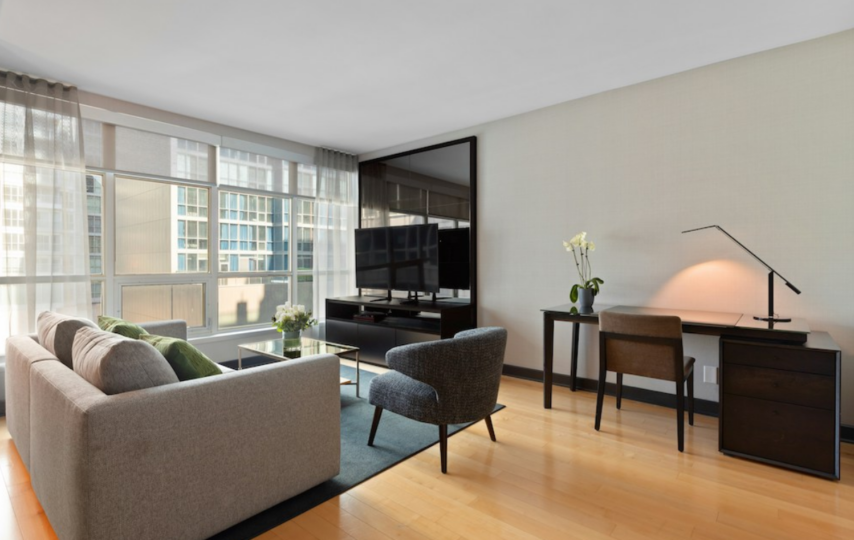

The humble hotel television has undergone a dramatic transformation. Once limited to basic cable and a static channel list, today’s hospitality TVs are sophisticated, connected platforms that sit at the center of the guest experience. With the latest 2025 – 2026 models from industry leaders like Samsung, LG, and Philips, hotels are leveraging advanced display technology, seamless streaming, and intelligent content management to deliver a more personalized and immersive stay.
This shift is not just about better entertainment, it’s about redefining how guests interact with their room, the hotel brand, and even their own devices.
From Passive Screens to Smart Experience Hubs
Modern hospitality TVs are no longer passive devices. They function as interactive hubs that combine entertainment, communication, and service delivery in one interface. Unlike consumer TVs, hospitality models are purpose-built for hotels, offering features such as centralized control, custom branding, and system integration.
For example, hotel TVs can now display personalized welcome messages, promote on-site services, and integrate with property management systems (PMS). This allows hotels to create a tailored, branded experience from the moment a guest enters their room.
At the same time, centralized management systems enable staff to update content, adjust settings, and manage hundreds, or even thousands, of TVs remotely. The result is a consistent, scalable experience across entire properties or hotel chains.
Key Innovations in the Latest Hospitality TVs
1. Seamless Streaming and Casting
One of the biggest shifts in recent hospitality TV models is the integration of streaming and casting technologies. Guests increasingly expect to access their own content, whether that’s Netflix, YouTube, or personal media libraries.
The latest models now include built-in support for Google Cast and Apple AirPlay, allowing guests to stream directly from their smartphones or laptops without complicated logins.
This feature has quickly become a baseline expectation. In fact, leading brands such as Samsung and LG now include native casting across multiple models, ensuring a frictionless connection process for guests.
The impact on guest experience is significant: travelers can instantly recreate their at-home entertainment environment, reducing friction and increasing satisfaction.
2. Advanced Smart Platforms and Content Ecosystems
Behind the scenes, hospitality TVs are powered by robust smart platforms. Samsung’s LYNK system and LG’s Pro:Centric platform are two leading examples, offering centralized content management and deep customization capabilities.
These platforms allow hotels to:
- Deliver branded interfaces and welcome screens
- Promote hotel amenities (spa, dining, events)
- Provide real-time updates or notifications
- Integrate with IPTV and OTT services
In newer models, these systems are increasingly cloud-based, enabling faster updates and easier scalability across multiple properties.
3. Stunning Visuals and Premium Design
The latest hospitality TVs are also benefiting from advancements in display technology. Most 2025–2026 models now feature 4K UHD resolution, HDR support, and improved color processing for a more immersive viewing experience.
High-end offerings even incorporate OLED and QLED technologies, bringing cinema-quality visuals into guest rooms.
Design has also become a priority. Slim bezels, wall-mounted “art-style” displays, and customizable frames allow TVs to blend seamlessly into room décor, especially in luxury hotels aiming for a premium aesthetic.
4. Integration with Smart Room Ecosystems
Hospitality TVs are increasingly integrated into broader smart room ecosystems. Through IoT connectivity, they can interact with lighting, climate control, and other in-room devices.
For example, LG’s latest systems emphasize integration with smart devices such as air purifiers and blinds, creating a connected environment that enhances comfort and convenience.
This convergence transforms the TV into a control center for the entire room, enabling guests to manage their environment through a single interface.
5. Personalization and Guest-Centric Features
Personalization is at the heart of modern hospitality technology. Today’s TVs allow hotels to tailor content based on guest preferences, language, or loyalty status.
Common features include:
- Personalized welcome messages
- Custom channel lineups
- Targeted promotions and offers
- Multilingual interfaces
Some systems even integrate with guest profiles, enabling returning visitors to enjoy a consistent experience across different stays.
Real-World Impact on Guest Experience
The adoption of advanced hospitality TVs is already delivering measurable results. Hotels that upgrade their systems often report increased guest satisfaction, higher engagement with on-property services, and even revenue growth through targeted promotions.
From the guest’s perspective, the benefits are clear:
- Familiarity: Streaming and casting replicate the home environment
- Convenience: Easy access to information and services
- Comfort: High-quality visuals and intuitive interfaces
- Control: Personalized settings and smart room integration
In essence, the TV becomes a bridge between the guest’s expectations and the hotel’s service offering.
Industry Trends Shaping the Future
Looking ahead, several trends are set to further evolve hospitality TVs:
AI and Voice Interaction
Artificial intelligence is beginning to play a larger role, enabling voice control, content recommendations, and more intuitive navigation.
Cloud-Based Management
Cloud platforms are simplifying deployment and maintenance, making it easier for hotel chains to manage global operations.
Enhanced Security for Streaming
As casting becomes standard, secure device pairing and data protection are becoming critical components of hospitality TV systems.
Hybrid Entertainment and Service Platforms
Future TVs will likely combine entertainment, concierge services, and communication tools into a single unified interface.
Why Hospitality TVs Are Now Essential
In today’s competitive hospitality landscape, guest expectations are higher than ever. Travelers no longer compare hotels only to other hotels, they compare them to the seamless digital experiences they enjoy at home.
Hospitality TVs have emerged as a key differentiator, because they sit at the intersection of comfort, technology, and personalization. By delivering high-quality entertainment, intuitive interfaces, and integrated services, they help hotels create memorable, frictionless stays.
The latest generation of hospitality TVs represents a significant leap forward for the industry. With features like built-in casting, smart content platforms, 4K visuals, and IoT integration, these devices are transforming guest rooms into connected, personalized environments.
For hotels, the investment goes beyond technology, it’s about elevating the guest experience. And as innovation continues, the hospitality TV will only become more central to how guests interact with their surroundings.
In short, the TV is no longer just a screen, it’s the digital heart of the modern hotel room.