
Remote teams have the flexibility of working at any time, but this comes with an actual challenge in terms of managing teams: leaders cannot tell when people are spending their time on what, where things slow down or why deadlines slip. When remote credence is lacking in visibility, it leads to missed handoffs, poor focus and uneven workloads. This is where the advancement in employee monitoring software helps managers have a clear solution for productivity management instead of relying on mere guesswork.
1. Remote Work Needs Better Visibility in 2026
We’ve been working remotely for years, not temporarily. This model of work requires a different management style, and many companies already have fully remote or hybrid teams running. According to the U.S. Bureau of Labour Statistics, telework is one important facet of workforce trends that remain at play long after COVID-19 and this major workplace-change measurement frames remote and hybrid work as integral components of modern employment.
Unlike remote work in an office, managers can observe delays, confusion or lack of coordination sooner. In remote teams, they tend to stay beneath the surface until a project is well behind schedule.
This is where employee monitoring tools bridge this visibility gap. In summary, they tell you about hours worked and how the working day is used; most productive apps; where distractions lurk in your device & when employees are at breaking point.
This is not a directive to watch every step. We want clarity in what the workflow looks like so we can make it better.
2. Turning Time Tracking Into Better Work Planning
Time tracking is one of the greatest benefits of employee monitoring. Remote employees do work from different locations, time zones and schedules. Without precise time data, managers have poor information about who is free or overloaded and which tasks take longer than expected.
Employee monitoring software has evolved, allowing your organisation to understand active time, idle time, and app usage on a single dashboard for attendance and work patterns. Controlio’s primary feature set also includes productivity tracking, work time log, workload insights and analytics, real-time monitoring, app usage tracker and website usage tracking – with behaviour rules, alerts & scheduled reports.
This helps managers plan better. They can allocate work based on real capacity rather than assumptions. They can identify recurring delays and patch things up before clients are impacted.
3. Reducing Distractions Without Micromanagement
Remote workers will no doubt face more digital distractions than those stationed in an office. Such as social media, nonwork websites, personal messages and tedious meetings.
Such patterns can be identified by employing employee monitoring software. If a team is indeed spending too much of the core hours on non-team apps, you can look into adjusting policies, blocking distractions, and setting up stricter working hours.
Not all short breaks are a bad thing. Healthy breaks help employees reset. The trouble emerges when distractions become an everyday habit that lessens productivity.
Good constant monitoring is the difference between a normal break and productivity leaks. Essential because remote teams need as much trust as it takes to hold each other accountable.
4. Improving Accountability Across Distributed Teams
Remote productivity depends on ownership. The team needs to be clear on the responsibility of each member, its deadline and what is the consequence of their deliverables after them.
Monitoring tools provide a common history of activities, attendance, task completion and working behavior. This is why it makes accountability so much simpler, your managers are not just relying on status updates.
If a project task is delayed, the manager can find out whether the delay was caused by low activity, unclear instructions, software issues or too many meetings. It prevents assigning unfair blame and helps the team fix the real issue.
It also protects strong performers. The effort put in by the employees is reflected in clear data when these employees work consistently.
5. Finding Workflow Bottlenecks Faster
Most of the productivity issues are not stemming from lazy employees. They come from broken workflows.
A remote designer might spend too long waiting for approval. A developer could spend time because a different department has sent imprecise instructions. A customer support agent might have only one ticket open, but still jump between dozens of tools.
This is where employee monitoring software helps by identifying these bottlenecks. This indicates the applications that employees utilise, the time they spend on different activities, and when productivity declines.
When managers become aware of these patterns, they can eliminate redundant steps, enhance communication, minimise unnecessary context switching mindsets and restructure workflows.
This is Where Monitoring Grows Beyond Time Tracking. Then it becomes a productivity enhancement system.
6. Supporting Workload Balance and Burnout Prevention
The ability for remote employees to overwork or slack off without anyone ever noticing is all too easy. Others extend their working hours deep into the evenign. Others can barely concentrate during the regular hours.
Both situations hurt productivity.
Monitoring Software For Managers Gets Workload Balance Visibility If a single employee works long hours week after week, the manager can redistribute tasks before burnout arrives. When the low active time is shown to be another employee, the manager can see if it is caused by unclear tasks, personal crunch, poor tools or Sons even disengagement.
Why does this matter in 2026? Because productivity isn’t just do more anymore. It is about stabilizing performance without exhausting the team.
Studies of hybrid work confirm that thoughtfully designed hybrid models can deliver competitive retention while maintaining performance. Performance was less but hybrid work pulling them two-days out of the office, a Nature study on hybrid work recently found did not ruin performance and so helped retention outcomes.
7. Making Remote Performance Reviews Fairer
In remote teams, performance reviews can become biased. Managers might prefer employees who talk more in meetings or reply faster in chat – even if others produce higher quality work.
Employee Monitoring Data: It leads to Objectivity of the reviews, attendance, apps in production, activity to do work & add value for the projects they are part of & consistency can generally be used by managers.
It does not replace human judgment. It improves it.
With quantitative data based on some mix of work quality, communication, teamwork and outcomes, that should be the basis of a fair review process. No more than monitoring tools are just adding evidence to something that the managers have only opinions.
8. Strengthening Security While Improving Productivity
Remote teams typically use company devices outside secure office networks. In addition, this raises the possibility of insecure web pages, unwanted software applications, data leakage and dubious documents operations.
Intelligent employee fitness tracking software keeps tabs on risky behavior and alerts security teams or blocks actions that can cause harm so they get timely attention. The features of Controlio include blocking suspicious activites, monitoring app and web usage, behavior diagnostic rules, alerts and screen recording (optional).
This improves productivity indirectly. This means that teams can spend less time remediating security issues when employees use approved tools, follow safer workflows and steer clear of risky apps.
A safe team is a faster team because disrupters move less work into a stop position.
9. How to Introduce Monitoring Without Losing Trust
One of the main mistakes companies make is to roll out monitoring quietly or harshly. That instills fear and erodes morale.
A better approach is transparent.
Be explicit with employees: What will be tracked, why it matters, how the data would be used and what are you not tracking. In a little more detail, The idea is to optimise the balance of workload, remove bottlenecks, have company data protected and treat performance reviews fairly.
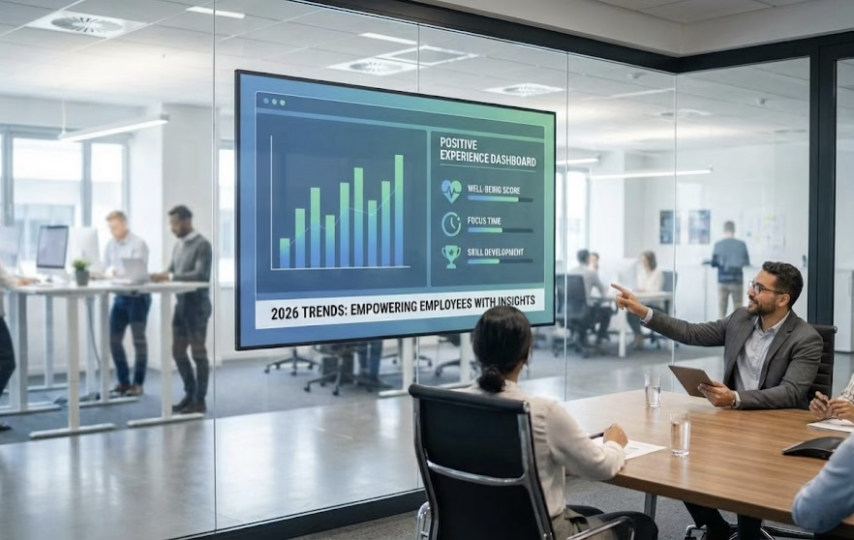
Managers should also be armed with useful insights that can benefit the employee where possible. Being able to visualize their own productivity, helps the workers concentrate and utilize time wisely.
Monitoring should feel like a tool for work improvement rather than a punishment system — when it does, trust grows.
10. Practical Productivity Gains for Remote Teams
Employee monitoring software improves remote team productivity in several direct ways:
| Productivity Area | How Monitoring Helps |
| Time management | Tracks active, idle, and work hours |
| Accountability | Shows clear work patterns |
| Focus | Identifies distracting apps and websites |
| Workload balance | Helps prevent overload and burnout |
| Workflow improvement | Reveals bottlenecks and tool misuse |
| Security | Detects risky activity and unsafe behavior |
| Reviews | Supports fairer performance evaluation |
For remote teams, this data turns scattered work into a visible system.
Final Thoughts
As more and more remote teams work with clarity, structure, and accountability, employee tracking software is helping. It also provides managers with the information they need to cut down on distractions, balance workloads, streamline workflows and secure company systems.
Smart visibility means remote productivity in 2026. When transparency and fairness accompany the number-crunching, organisations can create teams that remain focused, connected, and productive anywhere.
FAQs
What is employee monitoring software?
It tracks work activity like time, apps, websites, and productivity on company devices.
Does employee monitoring improve productivity?
Yes, if used fairly. It helps identify distractions and improve workflow.
Is employee monitoring good for remote teams?
Yes, it gives managers visibility into remote work without physical supervision.
How should companies use monitoring ethically?
Inform employees, set clear rules, avoid personal data tracking, and use data for improvement.
What is the main benefit in 2026?
Better visibility of work, time usage, and productivity across hybrid teams.