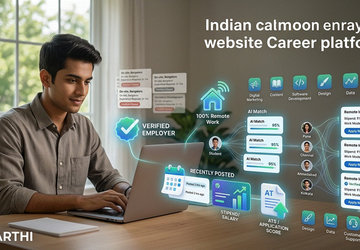

Modern users expect seamless experiences across all devices, whether browsing on smartphones, tablets, or desktops. Businesses that fail to meet these expectations risk losing potential customers and diminishing their online presence in an increasingly competitive market.
Responsive web development ensures that websites adapt fluidly to different screen sizes and user behaviors. This adaptability not only improves usability but also strengthens brand perception, engagement, and long term growth opportunities for businesses of all sizes.
Understanding Responsive Web Development
Responsive web development focuses on creating websites that automatically adjust layout, images, and functionality across devices. Learn more about professional solutions at ThoughtLabs to build adaptable and user friendly digital platforms.
- Improves user experience across multiple devices and screen sizes
- Enhances accessibility and usability for all types of users online
- Reduces bounce rates significantly by improving site engagement
- Supports consistent branding across devices and screen formats
- Simplifies website maintenance with a single unified platform
Core Elements That Define Responsive Design
Responsive design relies on key principles that ensure flexibility and performance across all devices. These elements work together to deliver a consistent experience that aligns with modern user expectations and business goals.
- Fluid Grid Layouts
Fluid grid layouts allow website elements to resize proportionally instead of using fixed dimensions. This ensures that content remains structured and visually appealing regardless of screen size or resolution.
By implementing fluid design systems, developers create layouts that adapt naturally. This flexibility improves readability and helps maintain consistency across devices without compromising functionality or aesthetics.
- Flexible Images and Media
Images and media elements must scale within their containers to prevent distortion or overflow issues. Proper optimization ensures that visuals remain sharp and aligned across different screen sizes.
Using responsive media techniques helps maintain visual integrity while improving load times. This balance between quality and performance enhances user experience and supports faster page interactions.
- Media Queries
Media queries enable developers to apply different styles based on device characteristics such as width, height, and orientation. This ensures that layouts adjust dynamically for various screen types.
With adaptive styling rules, websites can deliver tailored experiences for users. Media queries help ensure that navigation, typography, and spacing remain optimized across devices.
- Mobile First Approach
A mobile first approach prioritizes designing for smaller screens before scaling up to larger devices. This method ensures that essential content and functionality are always accessible.
By focusing on mobile optimization strategies, developers create efficient and streamlined experiences. This approach improves performance and aligns with modern browsing habits dominated by mobile users.
- Responsive Typography
Typography plays a crucial role in readability across devices. Responsive design ensures that font sizes, spacing, and line lengths adjust to maintain clarity and usability.
Implementing scalable typography systems enhances readability and accessibility. This ensures users can comfortably engage with content regardless of the device they are using.
- Touch Friendly Navigation
Navigation must be intuitive and easy to use on touch devices. Buttons, menus, and interactive elements should be designed with appropriate spacing and responsiveness.
Using touch optimized interfaces improves usability and reduces user frustration. This leads to better engagement and smoother interactions across mobile and tablet devices.
Additional Benefits of Responsive Web Development
Responsive web development offers more than just visual adaptability. It plays a critical role in improving performance, engagement, and overall digital success for businesses in a competitive landscape.
- Improved Search Engine Rankings
Search engines prioritize mobile friendly websites in their rankings. Responsive design ensures that a single website performs well across all devices, improving visibility and discoverability.
With search optimized design, businesses can attract more organic traffic. This leads to higher engagement and increased opportunities for conversions and growth.
- Faster Page Loading Speed
Responsive websites are optimized for performance, reducing unnecessary elements and improving load times. Faster loading speeds enhance user satisfaction and reduce bounce rates.
Implementing performance focused development ensures that users can access content quickly. This contributes to better retention and overall user experience.
- Cost Efficiency
Maintaining separate websites for desktop and mobile users can be costly and time consuming. Responsive design eliminates the need for multiple versions, simplifying management.
By adopting unified development solutions, businesses can reduce costs while maintaining consistency. This streamlined approach improves efficiency and scalability.
- Better User Engagement
Users are more likely to stay and interact with websites that provide seamless experiences. Responsive design ensures that navigation and content remain accessible and engaging.
With enhanced user interaction, businesses can build stronger connections with their audience. This leads to increased time on site and higher conversion rates.
- Increased Conversion Rates
A responsive website reduces friction in the user journey, making it easier for visitors to complete desired actions. This directly impacts conversion rates and business outcomes.
Using conversion focused design, businesses can guide users effectively. This results in improved performance across sales, leads, and customer engagement metrics.
- Future Scalability
Responsive design ensures that websites remain adaptable to new devices and technologies. This future proof approach allows businesses to stay relevant as digital trends evolve.
With scalable web architecture, businesses can expand their digital presence confidently. This flexibility supports long term growth and innovation.
Practical Applications of Responsive Web Development
Responsive web development plays a vital role across various industries and use cases. It enables businesses to deliver consistent and high quality experiences regardless of how users access their platforms.
- E-Commerce Platforms
E-commerce websites rely heavily on seamless navigation and quick loading times. Responsive design ensures that users can browse products, compare options, and complete purchases without issues.
By integrating responsive shopping experiences, businesses can reduce cart abandonment rates. This leads to improved customer satisfaction and increased revenue.
- Corporate Websites
Corporate websites serve as the digital face of a business. Responsive design ensures that information is presented clearly and professionally across all devices.
Using adaptive corporate design, companies can maintain a strong brand image. This consistency builds trust and credibility among users and stakeholders.
- Educational Platforms
Educational platforms must deliver content in an accessible and user friendly manner. Responsive design ensures that learners can access materials on any device without limitations.
With accessible learning interfaces, educational providers can enhance user engagement. This supports better learning outcomes and user satisfaction.
- Healthcare Websites
Healthcare websites require clarity and accessibility to provide essential information. Responsive design ensures that users can easily navigate and find relevant details.
Implementing user centered healthcare design improves usability. This helps patients access information quickly and efficiently when needed.
- Portfolio Websites
Creative professionals rely on portfolio websites to showcase their work. Responsive design ensures that visuals and layouts remain appealing across devices.
Using responsive portfolio layouts, individuals can present their work effectively. This enhances visibility and attracts potential clients or employers.
- Service Based Businesses
Service providers benefit from responsive websites that highlight offerings and encourage user interaction. Clear navigation and accessibility improve user engagement.
Explore tailored solutions through expert web development services in Belgiumto build platforms that convert visitors into customers while delivering seamless experiences.
Key Features of a Successful Responsive Website
A successful responsive website combines design, functionality, and performance to deliver optimal user experiences across all devices. It ensures smooth navigation, consistent visuals, and fast interactions while adapting seamlessly to different screen sizes and user behaviors, helping businesses engage users effectively and improve overall digital performance.
- Consistent design across devices for seamless user experience
- Fast loading speeds to improve performance and reduce bounce rate
- Intuitive navigation for easy browsing and better user engagement
- Optimized images and media for faster load and visual clarity
- Clear call to action elements to guide users toward conversions
Key Differences Between Responsive and Traditional Websites
| Feature | Non Responsive Website | Responsive Website |
| Layout Adaptability | Fixed layout | Flexible layout |
| User Experience | Limited | Optimized |
| Maintenance | Multiple versions | Single version |
| SEO Performance | Lower | Higher |
| Loading Speed | Slower | Faster |
Conclusion
Responsive web development is no longer optional in today’s digital landscape, as it directly impacts user experience, search visibility, and business growth. With increasing mobile usage, adopting responsive design strategies ensures seamless performance, stronger engagement, higher conversions, and a scalable digital presence that supports long term success.