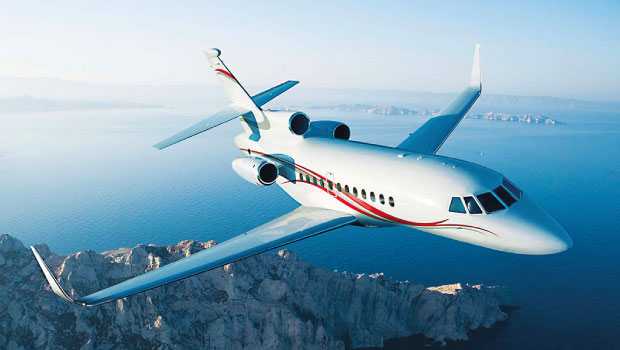

Private aviation offers several structured access models, among which jet card programs and fractional ownership are two of the most widely utilized. While both provide reliable access to private aircraft, they differ fundamentally in financial commitment, operational control, flexibility, and long-term value. Understanding these distinctions is essential for selecting the most appropriate model based on travel frequency, budget, and strategic objectives.
Conceptual Overview
Private jet card programs are based on prepaid access to flight hours or deposited funds, allowing clients to book flights on demand under predefined terms. This model does not involve ownership of an aircraft and is designed to provide flexibility and simplicity.
Fractional ownership, by contrast, involves purchasing a share of a specific aircraft. Ownership shares typically correspond to a fixed number of annual flight hours, and the owner becomes a partial stakeholder in the asset. This model combines elements of ownership with managed service, as operational responsibilities are handled by the provider.
Financial Structure and Cost Implications
The financial structures of jet cards and fractional ownership differ significantly.
Jet card programs require an upfront payment for hours or funds but do not involve long-term capital investment. Costs are primarily operational, based on hourly usage rates. This structure minimizes financial risk and provides clear cost predictability.
Fractional ownership requires a substantial initial capital investment to acquire an aircraft share. In addition to acquisition costs, owners incur ongoing expenses, including monthly management fees, maintenance costs, crew salaries, and fuel charges. While hourly operating costs may be lower in some cases, the total cost of ownership is significantly higher.
Depreciation of the aircraft asset is also a key consideration in fractional ownership, affecting long-term financial outcomes.
Flexibility and Usage
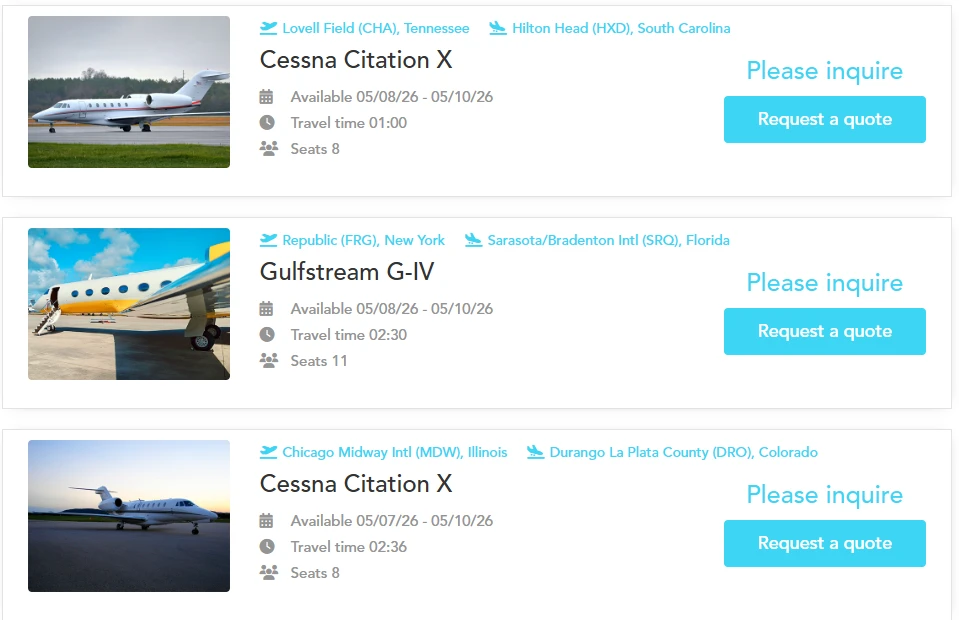
Flexibility is a defining advantage of jet card programs. Clients can select different aircraft categories for each flight, adapting to varying travel needs. This model is particularly suitable for users with diverse itineraries or changing passenger requirements.
Fractional ownership offers less flexibility in aircraft selection, as owners are typically associated with a specific aircraft type. While providers may offer access to alternative aircraft within their fleet, such flexibility is often subject to additional costs or availability constraints.

However, fractional ownership provides guaranteed access to aircraft for a defined number of hours annually, offering a high level of reliability for frequent users.
Availability and Scheduling
Both models provide strong availability guarantees, but their mechanisms differ.
Jet card programs typically guarantee aircraft availability within specified notice periods, even during peak demand. This is particularly valuable in high-traffic regions such as Florida, where demand for private aviation can fluctuate seasonally.
Fractional ownership ensures availability based on ownership share, with scheduling rights proportional to the number of hours owned. While this provides reliability, availability during peak periods may still be subject to operational constraints within the provider’s fleet.
Operational Control and Responsibility
Jet card clients have no operational responsibilities. All aspects of flight operations, including maintenance, crew management, and regulatory compliance, are handled by the provider. This model emphasizes convenience and simplicity.
In fractional ownership, while day-to-day operations are managed by the provider, the client retains a level of ownership responsibility. This includes financial obligations related to the aircraft and potential involvement in long-term decisions.
The ownership structure introduces greater complexity but also provides a sense of asset control.
Cost Predictability vs Long-Term Value
Jet card programs offer predictable short-term costs, making them suitable for budgeting and financial planning. However, fixed hourly rates may include a premium compared to market pricing, particularly during periods of low demand.
Fractional ownership, while involving higher upfront costs, may offer better cost efficiency on a per-hour basis for very frequent users. Over time, the value derived from ownership can offset some operational expenses, although this is influenced by factors such as utilization rates and asset depreciation.
The choice between the two models often depends on whether the client prioritizes short-term simplicity or long-term cost optimization.
Suitability by Travel Profile
Different travel profiles align with each model:
- Jet Card Programs:
- Ideal for moderate to frequent travelers
- Suitable for clients seeking flexibility and minimal commitment
- Preferred by users with variable travel patterns
- Fractional Ownership:
- Best suited for high-frequency travelers
- Appropriate for clients requiring consistent aircraft access
- Suitable for those willing to commit capital for long-term use
Corporate entities and ultra-high-net-worth individuals often evaluate both models based on operational needs and financial strategy.
Technological Integration and Service Experience
Both models benefit from advancements in digital technology. Jet card programs typically offer user-friendly platforms for booking and account management, enhancing convenience.
Fractional ownership providers also incorporate advanced operational systems, ensuring efficient scheduling and fleet management. Service quality in both models is generally high, with providers emphasizing safety, reliability, and customer experience.
Risk and Commitment Considerations
Jet card programs involve lower financial risk due to their limited commitment structure. Clients are not exposed to asset depreciation or long-term contractual obligations beyond program terms.
Fractional ownership carries higher financial risk due to capital investment and market fluctuations affecting aircraft value. However, it also offers the potential for asset resale and long-term utilization benefits.
Private jet cards and fractional ownership represent two distinct approaches to accessing private aviation. Jet cards prioritize flexibility, simplicity, and predictable costs, while fractional ownership emphasizes long-term access, asset participation, and potential cost efficiency for frequent use. The optimal choice depends on a careful assessment of travel frequency, financial objectives, and the desired balance between convenience and control.