
Keeping a Tesla’s finish in good condition takes more than routine washing. Paint protection film, or PPF, adds a protective layer that helps reduce chips, scratches, and daily wear from road use. For many owners, the decision comes down to more than appearance.
It also involves installation quality, long-term durability, and the value of avoiding future paint correction or panel repairs. This article explains what affects Tesla PPF pricing, from partial front coverage to full-body wraps.
It also examines how film quality, workmanship, warranty support, and aftercare affect results. Understanding these factors can help Tesla owners make a more informed choice before committing to installation.
Understanding Tesla PPF Cost and Value
Front-End Coverage Pricing
Front-end protection is often the starting point for Tesla owners who want to shield the most exposed areas without covering the entire vehicle. Partial front packages usually include the bumper, side mirrors, and part of the hood or fenders. These packages generally start around USD 500 to USD 1,500, depending on the vehicle, film, and installer.
A full front package extends that coverage to the complete hood, full fenders, bumper, mirrors, and headlights. Professional installation for this type of package often ranges from USD 1,500 to USD 2,500. The higher cost reflects additional material, more labor, and the extra care needed to fit film cleanly across larger surfaces.
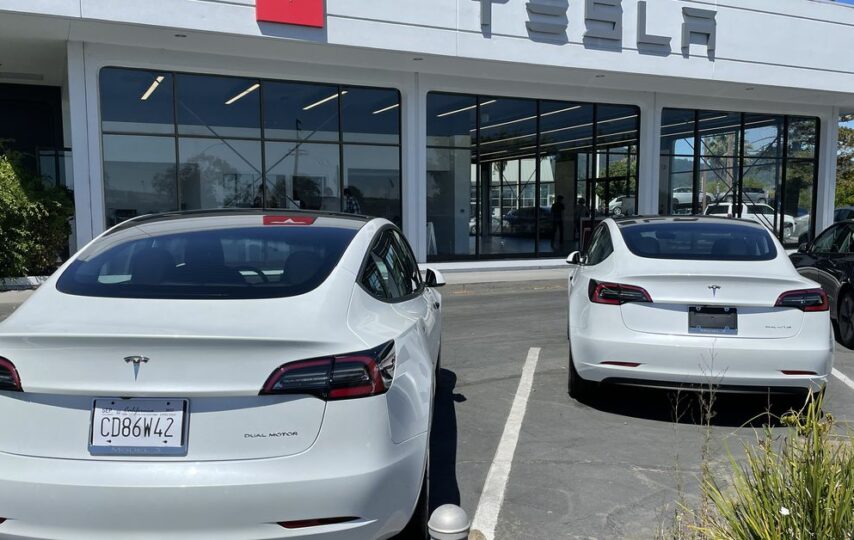
Tesla-specific pricing also varies by model. Model 3 and Model Y vehicles usually cost less to wrap than Model S or Model X vehicles because of panel size and complexity. The Cybertruck can also require a different approach due to its shape and surface design, which can affect labor time and pricing.
Regional pricing differences may also affect the final cost. Larger metro markets often charge more because shop overhead and demand are higher. Even so, the quality of installation often matters more than choosing the lowest quote.
Full-Body Wrap Investment
A full-body Tesla PPF wrap is a much larger investment, but it offers the most complete protection. These packages often range from USD 4,000 to USD 8,000 or more, depending on the Tesla model, the film used, and the amount of disassembly required.
The higher cost is not only about using more film. Full wraps take significantly more labor. Installers must work around door edges, trim pieces, handles, and body lines while maintaining a smooth finish and tight alignment. The job also demands more preparation and a longer installation time.
For owners planning to keep their Tesla for years, full-body coverage can make sense because it protects more painted surfaces from wear, road debris, and cosmetic damage that can build up over time.
Film Brand Quality Differences
Film quality has a direct effect on clarity, durability, self-healing performance, and long-term appearance. Premium brands are known for better resistance to yellowing, cleaner finishes, and stronger warranty support. Lower-cost films may reduce the initial price, but they can also be more likely to show wear earlier or fall short in appearance over time.
Some films focus on optical clarity and fast self-healing, while others are positioned as value-focused options for owners who want protection at a lower price point. Warranty length can also be a useful quality signal. Products backed for ten years generally reflect more confidence from the manufacturer than films with much shorter coverage periods.
That is why installation should not be treated as a simple material purchase. For Tesla owners comparing options, ID Protection PPF is one example of a service built around Tesla-specific paint protection, where both film choice and installation quality are part of the result.
Installation Labor Costs Explained
A large share of Tesla PPF pricing comes from labor rather than raw material. Proper installation includes washing, decontamination, paint inspection, layout, application, edge work, and curing. In many jobs, labor makes up the majority of the final price.
That labor cost reflects the skill involved. Clean edges, accurate alignment, minimal seams, and strong adhesion all depend on experience. A skilled installer can often deliver better long-term results with a mid-tier film than an inexperienced shop can with a premium one.
This is especially important with Tesla vehicles, where panel shapes, paint sensitivity, and finish expectations leave less room for error. A cheaper installation can quickly become more expensive if lifting, contamination, or poor trimming leads to rework later.
Long-Term Benefits of Professional Installation
Manufacturer Warranty Coverage
Professional installation often helps preserve access to manufacturer-backed film warranties. Premium films commonly include coverage against yellowing, cracking, peeling, or delamination, but these protections usually depend on correct installation and approved application methods.
That matters because warranty support can reduce the financial risk of defects later. When both the product and the workmanship are backed, owners have clearer recourse if something goes wrong.
Resale Value Protection
A well-kept exterior can make a noticeable difference when it is time to sell or trade in a Tesla. PPF helps preserve the original finish by reducing the visible paint damage that often builds up from daily driving. That can make the vehicle more appealing to future buyers who want a cleaner-looking car without obvious cosmetic wear.
While resale value depends on many factors, protecting the paint can support a stronger presentation and reduce the need for touch-ups before resale.
Reduced Maintenance and Repair Costs
Paint correction and repainting can add up quickly, especially when multiple panels are affected by chips or surface damage. PPF helps reduce the frequency of those repairs by taking the impact first. Even when a section of film becomes damaged, that part can often be replaced without repainting the underlying panel.
Over time, avoiding even a few cosmetic repairs can offset part of the initial installation cost. This is one of the main reasons many Tesla owners view professional PPF as a protective investment rather than a cosmetic extra.
Professional Correction If Issues Arise
Another benefit of working with an established installer is support after the installation is complete. If bubbling, lifting, or contamination appears, a professional shop can inspect the issue and determine whether it relates to installation, product defects, or maintenance.
That support adds value because it gives owners a clear point of contact instead of leaving them to manage problems on their own.
What To Look For In Tesla PPF Installers
Experience With Tesla Vehicles Specifically
Tesla experience matters. These vehicles have distinct panel shapes, trim details, and paint characteristics that can affect installation. Shops that regularly work on Teslas are more likely to understand how to fit film cleanly and where extra care is needed.
It is also worth asking about manufacturer certifications, years of experience, and how many Tesla installations the shop has completed.
Film Brands and Warranty Offerings
A reputable installer should be clear about which film brands they use and what warranty coverage comes with each option. Owners should understand whether the warranty covers only materials or also includes labor related to approved claims.
Clear answers here can help distinguish serious shops from those focused only on closing a sale.
Customer Reviews and Portfolio Examples
Reviews can offer useful insight, especially when they mention PPF work in detail rather than general detailing services. A strong portfolio of completed Tesla projects also helps show whether the installer can deliver clean, consistent results.
Before-and-after photos, close-up shots of edges, and examples across different Tesla models can all be useful when comparing shops.
Aftercare Support and Maintenance Guidance
Good installers do not end the relationship when the car leaves the shop. They provide care instructions, explain how long to wait before washing, and recommend safe maintenance practices that help extend the life of the film.
This support is especially useful for owners new to PPF, since proper care plays a role in long-term appearance and performance.
Conclusion
Professional paint protection film installation gives Tesla owners more than surface-level peace of mind. It can help reduce paint damage, lower future repair costs, and preserve the vehicle’s appearance over time.
The total cost depends on coverage area, film quality, vehicle model, and installer skill, but the quality of the work often has the biggest effect on long-term value.
For owners considering PPF, it is worth looking beyond the initial quote. Strong workmanship, reliable warranty support, and Tesla-specific experience can make the investment far more worthwhile and help avoid preventable issues later.