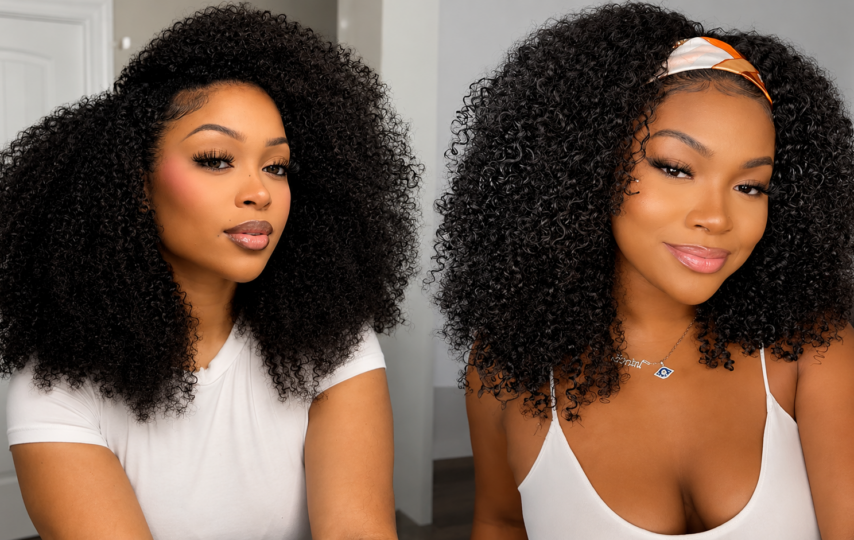

The wig industry continues to evolve in 2026, offering more convenient and natural-looking options than ever before. Among the most popular choices are half wigs and headband wigs. Both styles are loved for their ease of use, beginner-friendly installation, and ability to create beautiful hairstyles without spending hours in front of a mirror.
However, many shoppers find themselves asking the same question: Which wig should I choose—a half wig or a headband wig?
While both options provide versatility and convenience, they are designed differently and cater to different styling preferences. Understanding their unique features, benefits, and limitations can help you make the right decision based on your lifestyle, hair type, and beauty goals.
What Is a Half Wig?
The human hair half wigs are a wig designed to cover only a portion of your head, usually from the crown to the back. The front section of your natural hair remains exposed, allowing you to blend your own hair with the wig for a seamless appearance.
Half wigs are attached using combs, clips, or adjustable straps. Because part of your natural hair is visible, they can create an exceptionally realistic look when properly blended.
One of the biggest advantages of a half wig is the natural transition between your real hair and the wig. This makes it difficult for others to tell that you’re wearing a wig at all.
Benefits of Half Wigs
- Creates a highly natural appearance
- Adds instant length and volume
- Allows your natural hairline to remain visible
- Offers versatile styling options
- Generally lightweight and comfortable
Potential Drawbacks
- Requires enough natural hair for blending
- Styling may take extra time
- Hair textures must match closely for the best results
- Not ideal for individuals experiencing significant hair loss around the hairline
What Is a Headband Wig?
The human hair headband wigs are a full wig attached to a soft headband positioned at the front. Instead of using lace or requiring glue, the wig is secured with Velcro, combs, or adjustable straps while the headband covers the hairline area.
Headband wigs gained popularity because they are extremely easy to wear. In many cases, users can install one in less than a minute.
Unlike half wigs, headband wigs do not require blending natural hair into the wig. The headband creates a stylish transition between the wig and your forehead, making installation simple and stress-free.
Benefits of Headband Wigs
- Quick and easy installation
- Beginner-friendly design
- No glue or adhesive required
- Minimal styling effort
- Excellent protective style option
- Available in many colors, textures, and lengths
Potential Drawbacks
- Less natural-looking hairline compared to some blended half wigs
- Limited forehead styling options
- The headband is always visible
- Some users may find the style less versatile
Comparing Appearance
When it comes to realism, both wigs can look natural, but they achieve this in different ways.
A half wig relies on your natural hairline and front hair section to create a seamless blend. If your hair texture closely matches the wig, the final result can be incredibly realistic.
A headband wig, on the other hand, hides the transition area behind a fabric headband. While this creates a polished look, it is obvious that a headband is being used as part of the hairstyle.
If achieving the most natural appearance is your primary goal, a half wig often has a slight advantage.
Comparing Installation Time
Convenience is one of the biggest reasons people choose wigs today.
Headband wigs are the clear winner in this category. Most users can install a headband wig within one or two minutes. There is no need for lace trimming, glue application, or complicated styling techniques.
Half wigs usually require some blending and styling to ensure the exposed natural hair matches the wig texture. While the process is still relatively simple, it generally takes longer than installing a headband wig.
For busy professionals, students, and parents, the speed of a headband wig can be extremely appealing.
Comfort and Daily Wear
Comfort plays a major role in selecting a wig for everyday use.
Both half wigs and headband wigs are considered lightweight alternatives to traditional full lace wigs. However, many users report that headband wigs feel especially comfortable because they allow better airflow around the front of the scalp.
Half wigs can also be comfortable, but the exposed natural hair may require additional styling products, which some wearers find inconvenient during long days.
Ultimately, comfort depends on the wig construction, cap design, and personal preference.
Which Option Is Better for Protective Styling?
Protective styling remains a major priority for many individuals in 2026. The goal is to reduce manipulation of natural hair and protect it from heat, environmental damage, and excessive styling.
Headband wigs excel as protective styles because most of the natural hair can remain tucked underneath the wig. This reduces daily handling and helps maintain healthier hair.
Half wigs expose part of your natural hair, meaning the front section may still require regular styling and maintenance.
For individuals focused primarily on hair protection, headband wigs often provide a better solution.
Versatility and Styling Options
Styling flexibility is another important consideration.
Half wigs offer impressive versatility because the visible natural hair can be styled in numerous ways. You can create side parts, middle parts, bangs, swoops, and other customized looks depending on your hair length and texture.
Headband wigs provide versatility through interchangeable headbands. You can switch colors, patterns, and fabrics to create different fashion statements. However, the hairstyle itself remains somewhat limited because the headband must stay in place.
If creative hairstyling is important to you, a half wig may offer more opportunities for personalization.
Maintenance Requirements
Both wig types are relatively low-maintenance compared to lace wigs.
Headband wigs generally require less upkeep because there is no lace to clean or maintain. Simply wash the wig as needed and replace or clean the headband.
Half wigs may require extra care because blending sections need regular styling and maintenance. You must also ensure that your natural hair and wig continue to match in texture and appearance.
For users seeking the easiest maintenance routine, headband wigs often come out ahead.
Who Should Choose a Half Wig?
A half wig may be the best choice if:
- You have healthy natural hair for blending
- You want the most natural-looking result
- You enjoy styling your hair
- You want greater flexibility in hairstyle options
- You prefer showing part of your natural hair
Half wigs are especially popular among individuals who love volume and want their hairstyle to appear completely seamless.
Who Should Choose a Headband Wig?
A headband wig may be ideal if:
- You are new to wearing wigs
- You want a quick installation process
- You prefer low-maintenance hairstyles
- You are focused on protective styling
- You do not want to deal with lace or glue
Headband wigs are often recommended for busy lifestyles because they provide convenience without sacrificing style.
Final Verdict: Which Wig Should You Choose in 2026?
The answer ultimately depends on your personal needs and styling goals.
Choose a half wig if you prioritize a natural appearance, enjoy blending your own hair, and want maximum styling versatility. It offers a realistic finish that many wig enthusiasts love.
Choose a headband wig if convenience, speed, comfort, and protective styling are your top priorities. It remains one of the easiest wig options available in 2026 and continues to attract both beginners and experienced wig wearers.
The good news is that neither choice is wrong. Both half wigs and headband wigs offer beautiful, practical solutions for modern hairstyling. By understanding their differences, you can confidently select the option that best fits your lifestyle and enjoy a flawless look every day.