
Introduction
The way people generate, store, and consume electricity is changing rapidly. Rising energy costs, increasing pressure on power grids, and the global shift toward renewable energy have encouraged homeowners and businesses to seek smarter ways to manage electricity. Among the most important innovations driving this transformation is residential battery storage.
Residential battery storage systems allow homes to store electricity for later use, improving energy efficiency, reducing reliance on traditional power grids, and enhancing resilience during outages. When combined with solar energy and smart home technologies, these systems create a more intelligent approach to energy management that benefits both consumers and the environment.
As smart homes become more connected through Internet of Things (IoT) devices, artificial intelligence (AI), and advanced monitoring platforms, battery storage is evolving from a simple backup solution into a central component of modern energy ecosystems. Today, homeowners can monitor energy usage in real time, automate energy consumption, and optimize electricity costs through intelligent battery management.
This article explores how residential battery storage is reshaping smart energy management, the technologies behind it, the role of IoT and Battery Management Systems (BMS), and what the future may hold for connected energy solutions.
What Is Residential Battery Storage?
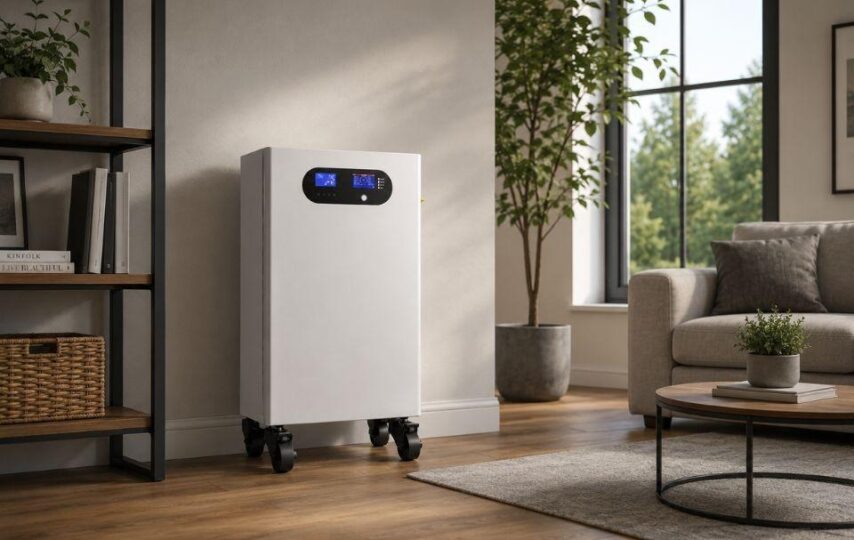
Residential battery storage refers to systems designed to store electrical energy for use within a home. These systems typically capture excess electricity generated from solar panels or draw power from the grid during off-peak periods when electricity rates are lower.
The stored energy can then be used when electricity demand is high, during peak pricing periods, or when grid power becomes unavailable. This helps homeowners gain greater control over their energy consumption while improving overall efficiency.
Most modern residential battery systems use lithium-ion technology due to its high energy density, long lifespan, and relatively low maintenance requirements. However, emerging technologies such as lithium iron phosphate (LFP) and solid-state batteries are also gaining attention for their safety and performance advantages.
A residential battery system generally consists of:
- Battery modules
- Inverters
- Battery Management Systems (BMS)
- Energy monitoring software
- Smart control systems
Together, these components create a comprehensive energy storage solution capable of supporting modern smart homes.
Why Demand for Residential Battery Storage Is Growing
Several factors are contributing to the rapid growth of residential battery storage worldwide.
Rising Electricity Costs
Energy prices continue to fluctuate across many regions. Homeowners are increasingly looking for ways to reduce their dependence on expensive grid electricity. By storing energy during low-cost periods and using it during peak demand hours, battery systems can help optimize energy spending.
Increased Grid Reliability Concerns
Extreme weather events, aging infrastructure, and growing electricity demand have placed additional strain on power grids. Battery storage provides an additional layer of resilience by supplying backup power during outages and disruptions.
Renewable Energy Adoption
The widespread adoption of solar energy has created a need for efficient energy storage solutions. Solar panels generate electricity only when sunlight is available, but battery storage enables homeowners to use solar-generated electricity long after the sun has set.
Sustainability Goals
Consumers are becoming more environmentally conscious and seeking technologies that reduce carbon emissions. Battery storage supports renewable energy integration and helps households reduce their reliance on fossil fuel-generated electricity.
Types of Residential Battery Storage Technologies
Not all battery storage systems use the same technology. Understanding the differences can help explain how the industry continues to evolve.
Lithium-Ion Batteries
Lithium-ion batteries currently dominate the residential storage market due to their high efficiency, compact size, and long operational life. They offer excellent performance for daily charging and discharging cycles.
Lithium Iron Phosphate (LFP)
LFP batteries are becoming increasingly popular because they provide enhanced thermal stability and safety while maintaining a long lifespan. Many modern energy storage systems now utilize this chemistry.
Lead-Acid Batteries
Although less common in new installations, lead-acid batteries remain a lower-cost option for certain applications. However, they generally require more maintenance and offer shorter lifespans.
Emerging Solid-State Batteries
Solid-state battery technology is still developing but shows significant promise. These batteries may offer improved energy density, faster charging capabilities, and enhanced safety compared to traditional lithium-ion systems.
The Connection Between Solar Energy and Battery Storage
Solar power and battery storage are natural partners in modern energy systems.
Without storage, excess solar energy generated during the day is often exported back to the grid. While this can provide some financial benefit, it may not fully maximize the value of solar production.
Modern solar-powered homes increasingly rely on energy storage residential solutions to capture excess solar generation and use it when sunlight is unavailable. This allows homeowners to increase self-consumption, improve energy independence, and reduce dependence on external electricity providers.
Solar-plus-storage systems also provide greater flexibility by allowing stored energy to be used strategically based on household needs and utility pricing structures.
As energy technologies continue to advance, the combination of solar generation and battery storage is becoming a foundational element of smart energy management.
How Smart Energy Management Systems Work
The true value of residential battery storage becomes apparent when it is integrated into a smart energy management system. These systems use software, sensors, and connected devices to monitor, analyze, and optimize energy consumption throughout a property.
Rather than simply storing electricity, smart energy management systems help determine when energy should be stored, when it should be used, and how it can be distributed most efficiently.
Real-Time Energy Monitoring
Modern energy management platforms provide homeowners and facility managers with real-time visibility into electricity consumption. Through mobile applications and cloud-based dashboards, users can track:
- Energy production
- Battery charge levels
- Household consumption
- Grid imports and exports
- Historical energy trends
This level of visibility helps users make informed decisions about their energy usage while identifying opportunities to improve efficiency.
Automated Energy Distribution
Advanced systems can automatically determine the most efficient energy source at any given time. For example, a system may prioritize solar-generated electricity during the day, switch to battery power during peak-rate periods, and use grid electricity only when necessary.
This automation reduces waste and improves overall system performance.
Peak Demand Management
Many utility companies charge higher rates during periods of peak electricity demand. Smart energy management systems can help reduce these costs by utilizing stored battery energy during expensive peak hours.
This strategy, often called peak shaving, can significantly improve energy efficiency and cost savings over time.
The Role of IoT in Residential Energy Storage
The Internet of Things (IoT) has become one of the most important drivers of innovation in smart energy management.
IoT refers to a network of connected devices that communicate and share data in real time. Within residential energy systems, IoT enables batteries, solar panels, smart meters, appliances, and energy management software to work together as an integrated ecosystem.
Connected Energy Devices
Modern homes may include numerous energy-connected devices such as:
- Smart thermostats
- Smart appliances
- Energy monitoring sensors
- Smart plugs
- Solar inverters
- Battery storage systems
These devices continuously exchange information, allowing homeowners to optimize energy use automatically.
Remote Monitoring and Control
One of the biggest advantages of IoT-enabled energy systems is remote accessibility. Users can monitor battery performance, track electricity usage, and adjust settings from virtually anywhere using smartphones or web-based platforms.
This convenience improves user engagement while supporting more efficient energy management practices.
Predictive Analytics
IoT systems generate valuable operational data that can be analyzed to identify trends and predict future energy needs. By understanding consumption patterns, smart systems can make proactive decisions that improve overall performance.
As smart homes continue to evolve, connected energy systems will play an increasingly important role in creating efficient, responsive, and intelligent energy networks.
Understanding Battery Management Systems (BMS)
A Battery Management System (BMS) is one of the most critical components within any modern battery storage solution.
At the core of modern BESS energy storage solutions is an advanced Battery Management System (BMS) that continuously monitors battery health, temperature, charging cycles, and overall system performance.
Without a properly designed BMS, battery performance, safety, and lifespan could be significantly compromised.
Safety Monitoring
Battery systems must operate within specific voltage and temperature ranges. The BMS continuously monitors these conditions to prevent overheating, overcharging, and excessive discharge.
These safeguards help protect both the battery and the connected electrical system.
Cell Balancing
Battery packs contain multiple cells that must operate consistently. A BMS helps balance these cells to ensure uniform charging and discharging, which improves efficiency and extends battery life.
Performance Optimization
The BMS also helps maximize battery performance by managing charging rates, discharge cycles, and operating conditions.
This intelligent control allows energy storage systems to operate more effectively under varying energy demands.
Data Collection and Reporting
Modern BMS platforms generate detailed operational insights that support predictive maintenance, performance analysis, and long-term system optimization.
These capabilities are becoming increasingly important as residential battery storage systems become more sophisticated and interconnected.
AI and Predictive Energy Management
Artificial intelligence is rapidly transforming the way energy systems operate.
Traditional energy management relies heavily on user input and predefined schedules. AI-powered platforms, however, can learn from historical data and automatically optimize energy usage patterns.
Learning Household Energy Behavior
AI systems can analyze daily consumption habits and identify recurring usage trends. Over time, these platforms learn when energy demand is highest and adjust battery charging strategies accordingly.
For example, if a household consistently uses more electricity during the evening, the system may reserve additional stored energy for that period.
Weather-Based Forecasting
AI can also integrate weather forecasts to predict solar energy generation.
If cloudy conditions are expected, the system may increase battery charging from the grid during off-peak periods to ensure sufficient energy availability later.
Dynamic Energy Optimization
By combining weather data, historical consumption patterns, and real-time monitoring, AI-driven systems can continuously optimize energy flows for maximum efficiency.
This creates a more intelligent and responsive energy ecosystem that requires minimal manual intervention.
Real-World Applications of Residential Battery Storage
Residential battery storage is no longer limited to backup power applications. Today, these systems support a wide range of use cases.
Smart Homes
Battery storage serves as a central component of modern smart homes by supporting automated energy management and reducing electricity costs.
Solar-Powered Residences
Homes with rooftop solar installations benefit significantly from battery storage by maximizing self-consumption and reducing dependence on the grid.
Remote Properties
Properties located in remote areas often face challenges related to grid reliability. Battery storage helps ensure consistent access to electricity while supporting renewable energy integration.
Community Energy Projects
Residential storage systems are increasingly participating in larger energy networks, including virtual power plants that allow distributed batteries to collectively support grid stability.
Benefits of Residential Battery Storage
The growing popularity of battery storage can largely be attributed to the numerous benefits it provides.
Reduced Electricity Costs
Energy can be stored when rates are low and used when prices increase, helping households optimize their electricity spending.
Improved Energy Independence
Battery storage reduces reliance on external energy providers and allows greater control over electricity consumption.
Enhanced Backup Power
During outages, battery systems can provide critical power for essential household functions.
Better Renewable Energy Utilization
Stored solar energy can be used when generation is unavailable, improving the overall value of renewable energy investments.
Lower Environmental Impact
Battery storage supports cleaner energy consumption and contributes to broader sustainability objectives.
Challenges and Considerations Before Installing Residential Battery Storage
While residential battery storage offers significant benefits, it is important to understand the factors that can influence system performance and long-term value.
Upfront Investment
Battery storage systems require an initial investment that may vary depending on battery capacity, installation complexity, and integration requirements. Although costs have decreased considerably in recent years, buyers should evaluate their energy goals and expected return on investment before deployment.
Battery Lifespan
Like all energy storage technologies, batteries gradually lose capacity over time. Factors such as charging cycles, operating temperatures, and usage patterns can affect overall lifespan. Choosing high-quality systems with advanced Battery Management Systems can help maximize long-term performance.
Installation Requirements
Not every property has the same energy profile. Proper system sizing, electrical compatibility, and integration with solar or smart home technologies should be assessed by qualified energy professionals.
Regulatory and Utility Considerations
Energy policies, utility regulations, and incentive programs vary by region. Understanding local requirements can help ensure compliance and maximize potential benefits.
Residential Battery Storage vs. Traditional Grid Dependence
The difference between a battery-supported energy system and a traditional grid-only approach highlights why energy storage is becoming increasingly important.
| Feature | Residential Battery Storage | Grid-Only Energy Supply |
| Backup Power | Available during outages | Dependent on grid availability |
| Energy Independence | Higher | Lower |
| Solar Energy Utilization | Maximized | Limited |
| Peak Demand Management | Supported | Not available |
| Energy Monitoring | Advanced insights | Limited visibility |
| Smart Automation | Integrated | Minimal |
While traditional grid electricity remains essential, battery storage adds flexibility, resilience, and greater control over energy consumption.
Future Trends Shaping Residential Battery Storage
The residential energy storage industry continues to evolve rapidly. Several emerging trends are expected to influence the next generation of smart energy management systems.
Virtual Power Plants (VPPs)
Virtual Power Plants connect thousands of distributed battery systems into a coordinated network. These systems can collectively provide energy support, stabilize power grids, and improve overall energy reliability.
As adoption increases, residential batteries may play a more active role in broader energy markets.
Vehicle-to-Home (V2H) Technology
Electric vehicles are becoming increasingly capable of functioning as mobile energy storage units. Vehicle-to-home technology allows EV batteries to supply electricity to homes when needed, creating new opportunities for energy flexibility.
Smarter Artificial Intelligence
Future AI systems will become even more accurate in forecasting energy demand, weather conditions, and electricity pricing. This will allow battery systems to make increasingly sophisticated decisions with minimal human involvement.
Advanced Battery Chemistry
Research into solid-state batteries, next-generation lithium technologies, and alternative storage solutions may deliver improvements in safety, lifespan, charging speed, and energy density.
Fully Integrated Smart Homes
The future smart home will likely feature seamless coordination between solar panels, battery storage systems, EV chargers, smart appliances, and energy management software. These interconnected systems will work together to optimize energy consumption automatically.
How Residential Battery Storage Supports a Sustainable Energy Future
The transition toward cleaner energy requires solutions that can address the intermittent nature of renewable power generation.
Battery storage plays a crucial role in enabling greater adoption of renewable energy by allowing excess electricity to be stored and used when needed. This improves energy efficiency, reduces waste, and supports a more resilient energy infrastructure.
As renewable energy deployment continues to grow worldwide, residential battery systems will become increasingly important in balancing supply and demand.
Beyond individual households, widespread battery adoption can contribute to:
- Reduced pressure on utility grids
- Greater renewable energy integration
- Improved energy resilience
- Lower greenhouse gas emissions
- Enhanced energy security
These benefits position battery storage as a key technology in the broader transition toward sustainable energy systems.
Conclusion
Residential battery storage is becoming a core part of modern smart energy management. By combining solar power, IoT connectivity, Battery Management Systems, and AI-driven optimization, these systems are transforming how electricity is stored and used in homes. What was once just a backup solution is now an intelligent energy hub that improves efficiency, reduces costs, and supports sustainability goals.
As renewable energy adoption continues to grow, battery storage will play an even more important role in balancing supply and demand while reducing pressure on traditional power grids. The future of energy is clearly moving toward smarter, more decentralized, and more automated systems.
Companies like Avepower are contributing to this transition by supporting the broader energy ecosystem through advanced residential, commercial, and industrial storage solutions designed for distributors, installers, and energy project developers worldwide.
Frequently Asked Questions
What is residential battery storage?
Residential battery storage refers to systems that store electricity for later use within a home. These systems often work alongside solar panels and smart energy management platforms to improve energy efficiency and reliability.
How does a home battery system work?
A home battery stores electricity generated from renewable sources or the utility grid. The stored energy can then be used when electricity demand is high, during outages, or when renewable generation is unavailable.
Can battery storage lower electricity bills?
In many situations, battery storage can help reduce electricity costs by allowing users to store energy during lower-cost periods and use it when rates are higher.
What role does IoT play in smart energy management?
IoT enables connected energy devices to communicate and share data. This improves monitoring, automation, and optimization across residential energy systems.
Why is a Battery Management System important?
A Battery Management System helps ensure safety, performance, and longevity by monitoring battery conditions, balancing cells, and optimizing charging and discharging processes.
Is residential battery storage only useful for solar-powered homes?
No. While battery storage is commonly paired with solar systems, it can also support homes that rely primarily on grid electricity by improving energy management and providing backup power.