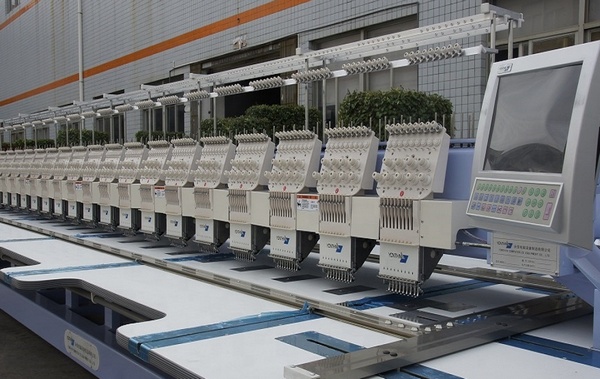

Embroidery machines may look similar to conventional sewing machines, but their design, operation, and repair requirements are far more specialized. Modern embroidery equipment combines precision mechanics, computerized controls, multiple needles, thread management systems, motors, sensors, and software to produce detailed designs at consistent speeds. When one part of that system falls out of alignment, the resulting problem can affect stitch quality, production efficiency, and machine reliability.
Because of this complexity, embroidery machines benefit from technicians who understand their unique components and operating principles. General sewing machine knowledge provides an important foundation, but advanced embroidery equipment often requires additional diagnostic and calibration skills. Specialized education, including multi-needle embroidery repair training, helps technicians identify problems accurately and restore machines without creating new alignment or performance issues.
Embroidery Machines Are More Complex Than Standard Sewing Machines
A standard sewing machine typically works with one needle and a relatively straightforward stitch-forming process. Embroidery machines can manage multiple needles, automatic color changes, hoop movement, computerized design files, thread sensors, and coordinated motor systems.
Each feature adds another potential source of failure. A problem with stitch quality may be related to tension, timing, needle condition, thread path, hoop movement, software settings, or electronic communication between components.
Repair specialists must therefore understand how these systems work together. Diagnosing an embroidery machine successfully requires more than inspecting one mechanical area and replacing a worn part.
Multi-Needle Systems Require Specialized Knowledge
Multi-needle embroidery machines allow operators to load several thread colors at once and switch between them automatically. This capability improves production efficiency, but it also makes the needle and thread management systems more complicated.
Technicians need to understand components such as:
- Needle bars
- Presser feet
- Thread tension assemblies
- Take-up levers
- Needle selection mechanisms
- Thread guides
- Thread break sensors
- Color-change systems
- Upper thread paths
Even a small alignment problem can affect embroidery quality. If one needle bar sits slightly differently from the others, for example, the machine may produce inconsistent stitches or repeatedly break thread.
Multi-needle embroidery repair training gives technicians opportunities to understand these differences and learn how to inspect, adjust, and test each needle position correctly.
Timing Problems Can Be More Difficult to Diagnose
Timing is critical in virtually every sewing machine, but embroidery equipment places additional demands on precision. The needle, hook, fabric movement, and control system must remain synchronized while the machine follows detailed patterns at varying speeds.
A timing issue may cause skipped stitches, thread breaks, needle damage, looping, or poor design quality. However, similar symptoms can also result from incorrect needle selection, improper tension, worn components, or problems with the embroidery frame.
Repair specialists need to distinguish between true timing failures and issues that simply resemble timing problems. Repeatedly adjusting timing without identifying the actual cause can introduce additional faults.
Proper training teaches technicians how to evaluate the complete stitch-forming process before making adjustments. This method helps prevent unnecessary changes to factory settings.
Hoop and Frame Movement Adds Another Layer of Repair
Embroidery machines do more than move thread through fabric. They also move the embroidery hoop or frame precisely along multiple axes while stitching the programmed design.
That movement depends on motors, belts, gears, sensors, rails, and electronic controls. If any part of the positioning system becomes worn, loose, contaminated, or misaligned, the final embroidery may shift or distort.
Common movement-related symptoms can include:
- Misaligned design sections
- Distorted lettering
- Incorrect registration
- Uneven circles or borders
- Unexpected frame movement
- Grinding or unusual motor noise
- Positioning errors
A technician specializing in embroidery machines must know how to determine whether a registration problem originates from the machine, the hoop, the design file, or the material setup.
This requires both mechanical knowledge and an understanding of how computerized positioning systems operate.
Electronics Play a Major Role in Modern Embroidery Equipment
Today’s embroidery machines rely heavily on electronic components. Control boards, sensors, motor drivers, display panels, power supplies, and communication cables all contribute to normal operation.
An apparent mechanical problem may therefore have an electronic cause. A machine that refuses to change needles, for example, could have a mechanical obstruction, damaged sensor, wiring problem, control board fault, or incorrect system setting.
Repair specialists need a working understanding of electronics and safe testing procedures. They should know how to use diagnostic tools without damaging sensitive components.
Training may include fundamentals such as:
- Voltage testing
- Continuity checks
- Sensor inspection
- Connector testing
- Wiring diagnosis
- Power supply evaluation
- Motor testing
- Circuit board inspection
These skills allow technicians to troubleshoot problems systematically rather than relying on trial-and-error parts replacement.
Embroidery Software Can Affect Machine Performance
Many embroidery problems are not caused by broken hardware. Design files, machine settings, firmware, or software configuration can also influence how a machine behaves.
A design may contain excessive stitch density, problematic jump stitches, incorrect color sequences, or commands that cause unusual movement. Technicians who do not recognize these factors may spend unnecessary time searching for a mechanical fault.
Specialists should understand the relationship between software and machine operation. They do not necessarily need to become professional digitizers, but they should know enough to identify when a problem may originate from the design rather than the equipment.
They may also need to work with manufacturer diagnostic programs, firmware updates, machine parameters, or calibration functions. These digital skills are increasingly important as embroidery equipment becomes more computerized.
Thread Tension Requires Careful Evaluation
Thread tension is one of the most common sources of embroidery quality complaints. However, simply tightening or loosening a tension control is not always the correct solution.
Poor tension can result from incorrect threading, contaminated tension discs, damaged thread guides, improper bobbin tension, worn components, needle problems, or unsuitable thread. On multi-needle equipment, technicians also need to compare tension performance across multiple needle positions.
A trained specialist knows how to evaluate the entire thread path before making adjustments. This helps avoid compensating for one problem by creating another.
Repair training should emphasize repeatable testing procedures. Technicians should be able to verify tension using consistent materials and machine settings before returning equipment to service.
Production Machines Face Different Service Demands
Commercial embroidery machines often operate for long periods and may complete thousands or millions of stitches between service intervals. This workload creates wear patterns that may be less common on occasional-use household equipment.
Technicians servicing production machines must recognize early signs of wear before they become major failures. Preventive maintenance can be just as important as emergency repair.
Key areas may include:
- Lubrication points
- Rotary hooks
- Drive systems
- Needle bars
- Thread paths
- Bearings and bushings
- Trimmer mechanisms
- Belts
- Sensors
- Frame rails
A knowledgeable repair specialist can also help operators distinguish normal wear from conditions requiring immediate attention. That guidance can reduce unplanned downtime.
Specialized Training Improves Diagnostic Accuracy
One of the greatest advantages of specialized repair education is learning how to troubleshoot logically. Complex embroidery machines can produce symptoms with several possible causes, making guesswork expensive.
A technician might begin by confirming the complaint, reproducing the problem, inspecting the embroidery quality, reviewing error messages, and checking basic machine setup. From there, the technician can isolate mechanical, electrical, software, or operator-related causes.
A structured diagnostic approach may involve:
- Documenting the reported problem
- Inspecting machine condition
- Confirming threading and needle setup
- Reproducing the symptom
- Checking error codes
- Inspecting mechanical movement
- Testing sensors and electrical connections
- Evaluating embroidery positioning
- Making targeted repairs or adjustments
- Running a final embroidery test
This process reduces unnecessary parts replacement. It also helps technicians explain repairs clearly to machine owners and production managers.
Frequently Asked Questions
Can a regular sewing machine technician repair an embroidery machine?
Some general sewing machine technicians can handle basic embroidery machine repairs, especially if they have experience with computerized equipment. More complex multi-needle, positioning, electronic, and software issues often require specialized knowledge.
Why is multi-needle embroidery repair training important?
Multi-needle machines contain additional needle bars, tension systems, sensors, color-change mechanisms, and controls. Specialized training teaches technicians how these systems interact and how to diagnose problems without disturbing unrelated adjustments.
What are common embroidery machine repair problems?
Common issues include thread breaks, skipped stitches, registration errors, needle damage, tension problems, sensor faults, trimming failures, motor errors, and incorrect frame movement. Some problems may also involve software or design files.
Do embroidery technicians need electronics training?
Yes. Modern embroidery machines depend heavily on sensors, motors, power supplies, circuit boards, and computerized controls. Basic electronics knowledge helps technicians test these systems safely and accurately.
Can poor embroidery quality always be fixed by adjusting tension?
No. Poor stitch quality may result from needles, threading, timing, bobbin condition, hooping, design density, worn components, or machine alignment. Tension should be evaluated as part of a complete diagnostic process.
How often should commercial embroidery machines be serviced?
Service frequency depends on machine type, stitch count, operating environment, and manufacturer recommendations. High-production equipment generally requires more frequent inspection and preventive maintenance than lightly used machines.
Building a Skilled Workforce for Modern Embroidery Equipment
As embroidery technology advances, technicians need skills that extend beyond traditional sewing machine repair. Multi-needle systems, computerized controls, sophisticated sensors, automated cutting mechanisms, and precision positioning equipment require technicians who understand both mechanical and digital systems.
Investing in multi-needle embroidery repair training helps technicians develop the specialized expertise required to diagnose these machines accurately. Hands-on instruction can strengthen knowledge of timing, tension, electronics, needle systems, frame movement, troubleshooting, and preventive maintenance.
Businesses that depend on embroidery equipment also benefit from specialized repair expertise. Faster diagnosis, fewer unnecessary parts replacements, improved preventive maintenance, and accurate adjustments can all contribute to reduced downtime and better production quality.
Embroidery machines have become highly specialized pieces of manufacturing equipment. Giving technicians equally specialized training helps ensure those machines continue producing consistent, accurate embroidery while meeting the demands of modern production environments.