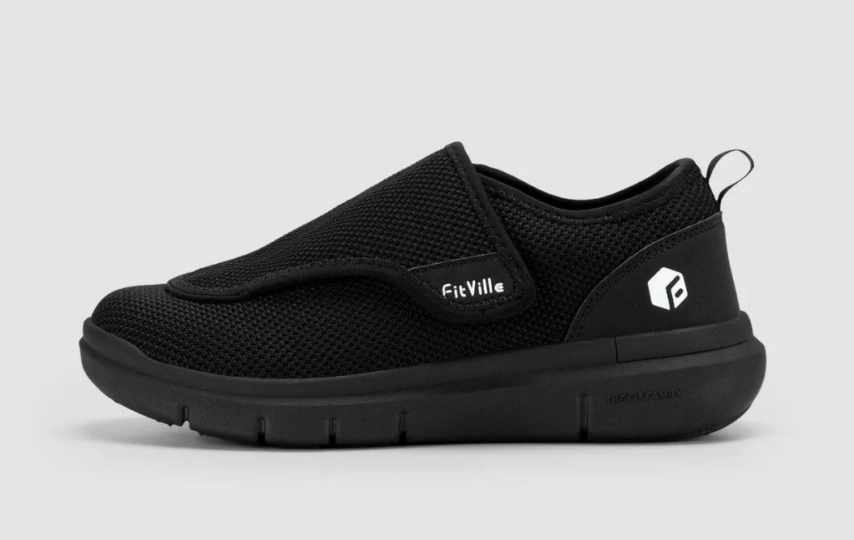

Footwear does not usually get described as technology.
Phones get that honour. Smartwatches get it. Cars get it. Even fridges are now trying to act intelligent. Shoes, meanwhile, are often treated like simple objects: sole, upper, laces, done.
But for men living with diabetes, the right shoe is much more than something to wear outside. It is a small piece of daily health engineering. A good diabetic shoe has to do several things at once. It must reduce pressure, protect sensitive skin, allow room for swelling, support balance, cushion impact, avoid friction and still look normal enough to wear without feeling like a walking medical brochure.
That is not simple. That is design, material science, biomechanics and practical comfort all working together under one foot.
Modern diabetic footwear has changed a lot. It is no longer only about thick soles and oversized shapes. Today’s designs are more thoughtful, more wearable and more focused on the everyday realities of men’s foot health. The technology may not beep, flash or connect to Wi-Fi, but it matters every time a man stands, walks, works, travels or runs errands.
And unlike many gadgets, this technology actually has to carry your full body weight.
Why Diabetic Feet Need Smarter Footwear
Diabetes can affect the feet in ways that are easy to underestimate. One of the biggest concerns is nerve damage, often called diabetic neuropathy. When feeling in the feet is reduced, a small blister, cut or pressure spot may not be noticed quickly.
That is where trouble can begin.
A man may keep walking in a shoe that rubs his little toe. He may not feel a stone inside the shoe. He may not notice that one area of the foot is taking too much pressure. For someone without diabetes, these things may be irritating but easy to catch. For someone with reduced sensation, they can become hidden problems.
Diabetes can also affect blood flow. When circulation is weaker, healing can be slower. This means a small wound deserves more respect than usual. Footwear cannot replace medical care, but it can help reduce the everyday risks that come from pressure, friction and poor fit.
That is why diabetic shoes are designed differently. They are not just “comfortable shoes.” They are shoes built around prevention, protection and consistency.
The best ones do not wait for the foot to complain. They try to reduce the reasons for complaint in the first place.
Pressure Distribution: The Quiet Science Underfoot
One of the most important technologies in diabetic shoes is pressure management.
When you walk, your body weight does not spread perfectly across the entire foot. Certain areas take more force, especially the heel, the ball of the foot and the toes. If one small area gets too much pressure again and again, irritation can build.
For diabetic feet, that repeated pressure is a serious concern. It can contribute to calluses, soreness, skin breakdown or ulcers in higher-risk cases. A shoe that spreads pressure more evenly can help reduce stress on vulnerable areas.
This is where midsole design, insole construction and outsole shape all matter. A well-designed diabetic shoe uses cushioning and support to soften impact and guide the foot through each step. The goal is not to make the shoe feel like a sponge. Too much softness can create instability. The goal is controlled cushioning.
Think of it like suspension in a car. You do not want to feel every bump in the road, but you also do not want the car floating around like a boat. Good diabetic footwear aims for that middle ground: soft enough to protect, stable enough to trust.
The Wide Toe Box Is More Than Extra Space
A roomy toe box may sound simple, but it is one of the most important design features in diabetic footwear.
Many regular men’s shoes narrow sharply at the front. They may look sleek, but they often squeeze the toes together. For men with diabetes, that can create rubbing, pressure and friction. It may also become uncomfortable if the feet swell during the day.
A wide toe box gives the toes room to sit more naturally. It helps reduce pressure across the forefoot and allows space for bunions, hammertoes, thick socks, swelling or sensitive joints.
This does not mean the shoe should feel loose. A good diabetic shoe should be roomy in the front but secure around the heel and midfoot. That balance is important. If the foot slides inside the shoe, friction can increase.
Modern designs handle this better than older diabetic footwear. Instead of simply making everything bigger, they use a shaped fit: more room where the foot needs space, more control where the foot needs support.
That is a small design detail with a big comfort payoff.
Seamless and Soft Interiors Help Reduce Friction
The inside of the shoe is where many problems begin.
A rough seam, stiff edge, folded lining or hard overlay can rub against the skin. A person with full sensation may notice quickly and stop wearing the shoe. A man with neuropathy may not feel that rubbing until the skin is already irritated.
This is why many diabetic shoes focus on smoother interiors. Soft linings, padded collars and reduced internal stitching can help lower friction. Some designs also use stretchable uppers that move more gently around sensitive areas.
This kind of technology is not dramatic. Nobody buys a shoe and says, “What a thrilling lack of internal seam aggression.” But the foot notices.
A smoother interior can make the shoe safer and more comfortable for repeated daily wear. For men who wear shoes for long workdays, travel, walking or standing, that matters.
Comfort is not always about adding more padding. Sometimes it is about removing the small things that cause trouble.
Adjustable Closures Make the Fit More Flexible
Feet do not stay exactly the same size all day. They can swell slightly after walking, standing, sitting for long periods, warm weather or circulation changes. For men with diabetes, this can make fixed-fit shoes difficult.
Adjustable closures are one of the most useful technologies in diabetic shoes. Hook-and-loop straps, easy fastening systems or flexible lacing designs allow the wearer to adjust the fit without forcing the foot into a tight space.
This is especially useful for swollen feet, high insteps or limited mobility. It also helps men who have difficulty bending down or tying laces every time they leave the house.
The benefit is practical. A shoe that is easy to put on and adjust is more likely to be worn properly. A shoe that is difficult to wear may be avoided, even if it is technically better.
Good footwear has to fit real life, not just a product description.
Cushioning Materials Have Become Smarter
Modern cushioning is not just a thick layer of foam. Different materials behave differently under pressure.
Some foams compress quickly and lose shape. Others offer better rebound. Some insoles are designed to reduce shock. Some midsoles are firmer in certain areas to help support alignment. The challenge is to create comfort that lasts beyond the first try-on.
For diabetic shoes, cushioning must do more than feel pleasant in the shop. It must help protect the foot during daily use. Men who walk on concrete, stand at work, commute, travel or spend hours moving around need cushioning that can handle repeated impact.
A good cushioned diabetic shoe helps reduce the harsh feeling of hard ground. It may also help reduce fatigue in the feet, knees and lower back because less impact travels upward with every step.
Of course, cushioning is not a medical cure. But it can make daily movement less punishing. That alone can encourage men to stay more active, which is important for general health and routine mobility.
If a shoe makes walking feel easier, the wearer is more likely to walk. That is a simple but powerful idea.
Arch Support and Stability Keep the Foot Better Aligned
Foot health is not only about the toes. The arch and heel also matter.
A diabetic shoe with proper arch support can help distribute pressure more evenly. This is useful for men with flat feet, tired arches, plantar fasciitis or general foot fatigue. Support under the arch helps the foot avoid collapsing too much inward during walking.
The heel area matters too. A stable heel counter can help keep the rear part of the foot more controlled. This can improve walking confidence, especially for men who feel unsteady or who deal with balance concerns.
The outsole also contributes to stability. A wider base, reliable grip and supportive sole design can help reduce wobbling. This is important because diabetic neuropathy can sometimes affect balance and foot awareness.
A good diabetic shoe should not feel like a medical device strapped to the foot. It should feel steady, calm and dependable. The best technology is often the kind you stop noticing because it simply works.
Breathability and Moisture Control Are Part of Foot Protection
Moisture is not a small issue inside shoes.
Sweat, heat and poor ventilation can make the skin softer and more vulnerable to irritation. Dampness can also make friction worse. For men with diabetes, keeping the foot environment cleaner and drier is part of sensible foot care.
Modern diabetic shoes often use breathable mesh, moisture-friendly linings or materials that allow better airflow. This helps reduce heat build-up during long wear.
Breathability is especially useful for men who wear shoes all day, work indoors, travel often or live in warmer climates. A shoe that traps heat can become uncomfortable quickly. A breathable shoe helps keep the foot environment more comfortable.
Socks matter too. Even the best shoe can be let down by rough, sweaty or badly fitting socks. Diabetic-friendly footwear works best as part of a full routine: clean socks, daily foot checks, proper hygiene and regular medical advice when needed.
The shoe is important, but it is not the whole team.
Slip-Resistant Soles Support Safer Movement
Foot protection is not only about avoiding blisters. It is also about avoiding falls.
Many men wear diabetic shoes for daily walking, work, errands, home use or travel. That means the outsole has to handle pavements, tiled floors, wet entrances, shop aisles and uneven surfaces.
Slip-resistant soles help improve traction. They give the wearer better grip and more confidence when moving through different environments. For men with reduced sensation or balance concerns, that extra stability can be valuable.
A good outsole should also be durable. If the sole wears down too quickly, grip and support may decline. That is why shoe technology includes tread patterns, rubber compounds and outsole geometry, even if most people never think about these details.
Nobody wants to study sole engineering while buying shoes. Fair enough. But when the pavement is wet, good traction suddenly becomes very interesting.
Removable Insoles Add Personalisation
One useful feature in modern diabetic shoes is the removable insole.
This allows the wearer to replace the original insole with custom orthotics, specialist inserts or fresh cushioning when needed. For men who receive advice from a podiatrist or foot specialist, this can be very useful.
Removable insoles also make shoes easier to clean and manage. If the insole wears down before the rest of the shoe, it may be possible to replace it rather than immediately replacing the entire pair.
This kind of modular design is a quiet form of personalisation. Not every foot needs the same level of support. Not every man has the same arch, pressure points or comfort needs. A shoe that allows some adjustment is more practical than one fixed setup for everyone.
That flexibility is one reason modern diabetic footwear feels more advanced than older designs.
Why FitVille’s Approach Fits the Modern Footwear Conversation
Today, men expect shoes that support foot health without looking outdated. They want comfort, yes, but they also want something they can wear outside without feeling awkward.
That is where collections like diabetic shoes for men become relevant. The modern diabetic shoe market is no longer only about medical necessity. It is also about daily comfort, wider fit options, easier wear, stability and designs that work with normal clothes.
FitVille’s diabetic footwear range includes options for men who need extra room, including wide and extra-wide fits. This matters because many men with diabetes also deal with swelling, toe pressure, bunions, flat feet or general sensitivity. A narrow shoe is not just uncomfortable in those cases. It may increase the kind of pressure diabetic footwear is meant to reduce.
A shoe that combines roomy design, cushioning, adjustability and support is not trying to be fancy. It is trying to solve ordinary problems before they become bigger ones.
That is the real value of footwear technology. Not showing off. Helping quietly.
Smart Shoes Do Not Replace Smart Habits
Even the best diabetic shoe cannot do everything.
Men with diabetes should still check their feet daily for cuts, blisters, redness, swelling or changes in skin condition. Shoes should be inspected before wearing in case anything sharp or rough has entered. Socks should fit well and stay clean. Any wound, sore, numbness or unusual pain should be taken seriously.
Regular foot exams are also important, especially for men with neuropathy, poor circulation, previous ulcers or existing foot conditions.
Footwear technology is powerful, but it works best when paired with good habits. A shoe can reduce pressure, protect skin and support movement. It cannot tell you when to see a doctor. It cannot replace blood sugar management. It cannot make daily foot checks unnecessary.
The right shoe is part of the system, not the entire system.
The Future of Diabetic Footwear Is Practical, Not Flashy
The future of diabetic shoes will probably not look like science fiction. Most men do not need shoes that talk, glow or send motivational quotes to an app.
What they need is better everyday engineering.
More accurate width options. Softer interiors. Better pressure distribution. Stronger cushioning. Improved stability. Easier closures. Breathable materials. Durable traction. More stylish designs that men actually want to wear.
That is where diabetic footwear technology is moving: not toward gimmicks, but toward smarter comfort.
The most useful innovation is often invisible. It is the extra space that stops toe pressure. The smooth lining that prevents rubbing. The sole that softens impact. The closure that adjusts when the foot swells. The grip that keeps a step steady.
These small details can change how a man feels after a full day on his feet.
Final Thoughts
Modern diabetic shoes prove that footwear technology does not have to look complicated to be important. The best designs combine biomechanics, material comfort, pressure control and everyday usability into something simple: a shoe that helps protect the foot.
For men with diabetes, that protection matters. Nerve damage and circulation problems can make small foot issues more serious. Good shoes can help reduce pressure, limit friction, improve stability and make walking more comfortable.
The right pair will not replace medical care or daily foot checks, but it can support better habits and safer movement.
In the end, diabetic shoe technology is not about adding more features for the sake of it. It is about understanding what men’s feet actually need and building footwear around that reality.
No flashing screen required. Just better support, better space and fewer reasons for the feet to complain.