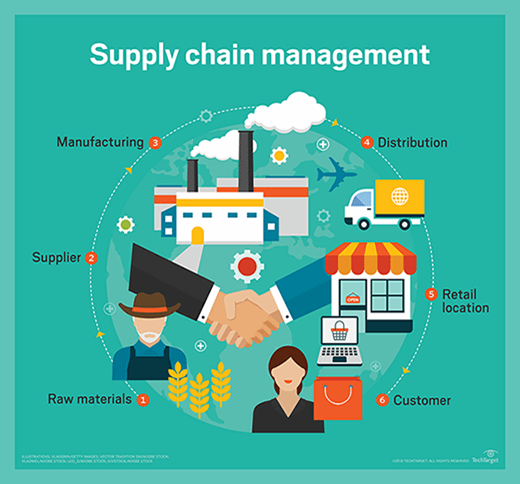

As organizations grow across regions, managing operations efficiently becomes a complex challenge. Supply networks stretch across continents, data multiplies rapidly, and coordination between departments requires precise synchronization. Scalable supply chain software helps reduce this friction by aligning planning, production, and distribution within a unified system.
Understanding Operational Friction in Expanding Businesses
Operational friction occurs when processes, systems, or communication channels fail to keep pace with growth. It often shows up as delayed shipments, inaccurate forecasts, or excess inventory. These inefficiencies can quietly erode margins and customer trust if not addressed with the right planning tools.
When companies expand globally, the complexity of managing different markets, suppliers, and regulations intensifies. Without scalable technology, teams rely on disconnected spreadsheets or manual updates, leading to inconsistencies and slower response times.
The Role of Scalable Solutions in Global Supply Chains
Scalable systems integrate multiple functions such as demand forecasting, production scheduling, and logistics management. They allow organizations to respond quickly to changing market conditions while maintaining visibility across all regions. Scalability ensures the platform can handle higher transaction volumes and more data sources as the business grows.
Modern platforms also enable scenario analysis, helping planners test various demand or supply assumptions without disrupting daily operations. This predictive capability supports better decision-making and reduces the risk of stockouts or overproduction.
How Integrated Planning Improves Efficiency
Integrated planning solutions, including S&OP software, create a single source of truth for sales, operations, and finance teams. By combining data from all departments, these systems promote collaboration and consistency in strategic planning.
- Improved forecast accuracy through shared data models
- Faster decision cycles with real-time performance indicators
- Reduced inventory costs through better demand-supply alignment
- Enhanced communication between global and local teams
These benefits allow organizations to operate more smoothly across multiple time zones and production facilities, reducing bottlenecks that typically delay fulfillment.
Why Scalability Matters for Long-Term Growth
Scalability ensures that operational systems evolve alongside the business. As new markets open and product lines increase, the software infrastructure must adapt without requiring major overhauls. Flexible configuration options and modular architecture support this adaptability, helping teams maintain stability during expansion.
In addition, scalable supply chain tools enhance visibility from end to end, allowing leaders to identify inefficiencies before they escalate. This proactive approach minimizes disruptions and strengthens customer relationships worldwide.
Connecting Strategy with Technology
Global expansion requires more than logistics capacity; it demands strategic coordination across all business functions. Implementing comprehensive planning tools like supply chain planning software helps bridge the gap between corporate strategy and operational execution.
By aligning data, processes, and people under a single framework, organizations gain the agility to respond to market shifts and sustain growth. Scalable software solutions eliminate friction, foster transparency, and create a foundation for continuous improvement across the supply chain network.