
A healthy credit score is maintained through consistent repayment behaviour, low credit utilisation, controlled borrowing, and regular credit report reviews. The goal is not just to increase a score temporarily but to keep it strong over the long term.
A strong credit profile can affect eligibility for personal loans, home loans, credit cards, and business financing. Banks such as HDFC Bank, SBI, ICICI Bank, and Axis Bank often review credit history before approving applications, while NBFCs like Bajaj Finserv, Tata Capital, and IIFL use credit scores as part of their underwriting process.
Many borrowers focus on improving scores after problems appear. However, maintaining a healthy score is usually easier than repairing a damaged one. This is why it is important to check credit score information regularly instead of waiting until a loan or credit card application is rejected.
Why Is Maintaining A Healthy Credit Score Important?
Maintaining a healthy credit score is important because lenders use it to assess borrowing risk when evaluating loan and credit card applications. A healthy credit score is a score that remains consistently strong over time because of stable repayment behaviour, controlled borrowing, and responsible credit usage. Maintaining a strong score can improve approval chances and access to better lending terms.
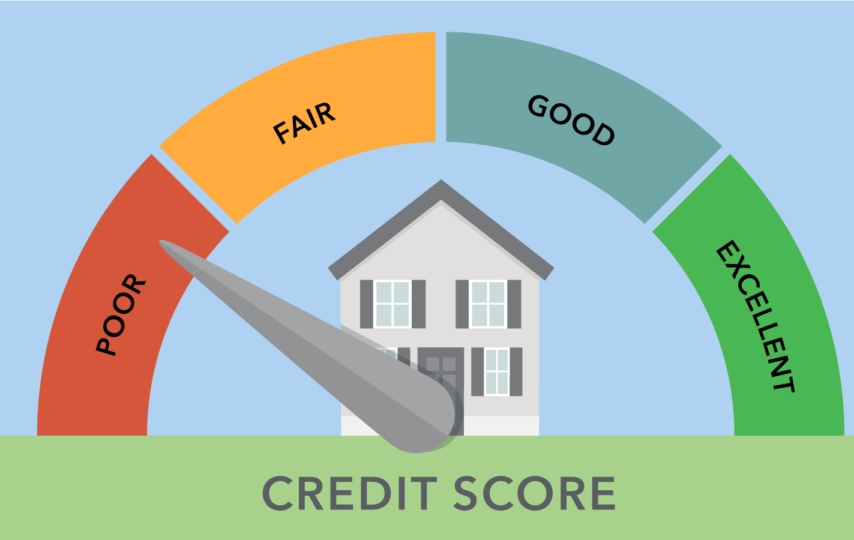
Typical score ranges include:
- 300–549: High-risk credit profile
- 550–649: Below-average credit profile
- 650–749: Fair to good credit profile
- 750+: Strong credit profile generally preferred by lenders
Common lending benchmarks include:
- Credit cards: 650+
- Personal loans: 700+
- Home loans: 750+
Credit scores are influenced by multiple factors:
- Payment history: 35%
- Credit utilisation: 30%
- Credit age: 15%
- Credit mix: 10%
- Credit enquiries: 10%
Maintaining a healthy score is generally easier than rebuilding one after significant repayment issues or borrowing stress appear on the report.
How Can You Avoid Late Payments?
You can avoid late payments by setting up auto-debit instructions, payment reminders, and maintaining sufficient funds before due dates. Payment history is the record of how consistently a borrower repays EMIs, credit card dues, and other credit obligations. It carries the highest weight in most scoring models and accounts for approximately 35% of score calculations.
Even a single missed payment can affect a score more than several months of positive behaviour can improve it.
For example:
- Credit card payment delayed by 30 days
- Personal loan EMI missed
- Multiple late payments within a year
These events may remain visible in credit reports and continue influencing lending decisions.
Setting up auto-debit instructions, payment reminders, and maintaining sufficient account balances can reduce the likelihood of missing due dates.
A strong credit profile usually takes 2–3 years of on-time payments to build. Maintaining repayment discipline throughout that period remains one of the most effective ways to preserve a healthy score.
How Can You Keep Credit Utilisation Low?
You can keep credit utilisation low by using less than 30% of available credit limits and reducing outstanding balances before statement generation dates. Credit utilisation is the percentage of available credit currently being used across revolving credit facilities. It contributes roughly 30% to score calculations and is one of the most important indicators of borrowing dependence.
For example:
- Total credit limit: ₹2,00,000
- Outstanding balance: ₹1,20,000
Credit utilisation = 60%
Most lenders prefer utilisation below 30%.
| Utilisation | General Impact |
| Below 30% | Positive |
| 30–50% | Moderate |
| 50–75% | Negative |
| Above 75% | High Risk Signal |
Many borrowers pay on time but continue carrying high balances every month. This can limit score growth and increase lender concerns.
Reducing balances before statement generation dates and avoiding excessive reliance on available limits can help maintain stronger credit health over time. This is also one of the most effective ways to improve credit score performance gradually.
Should You Limit Unnecessary Credit Applications?
Yes. Limiting unnecessary credit applications can help maintain a healthy credit score because multiple hard enquiries within a short period may indicate increased borrowing activity. A credit enquiry is created whenever a lender reviews a borrower’s credit report during a formal application. While occasional enquiries are normal, excessive enquiries within a short period can affect score stability.
Examples include:
- Applying for multiple credit cards simultaneously
- Submitting applications to several personal loan providers
- Applying with multiple banks and NBFCs within weeks
Each enquiry may have only a small impact individually. However, repeated applications can signal increased borrowing pressure.
This is particularly relevant for borrowers comparing products from HDFC Bank, ICICI Bank, SBI, Axis Bank, Bajaj Finserv, Tata Capital, and other lenders through multiple formal applications.
Researching eligibility before applying and limiting unnecessary applications can help preserve score strength while reducing avoidable enquiries.
How Can Older Credit Accounts Help Your Score?
Older credit accounts can help your score by increasing the average age of your credit history and providing lenders with a longer repayment record to evaluate. Credit age refers to how long credit accounts have existed, while credit mix refers to the combination of secured and unsecured borrowing. Together, these factors contribute approximately 25% of overall score calculations.
Older accounts provide lenders with more repayment history to evaluate.
Examples of secured credit:
- Home loans
- Auto loans
Examples of unsecured credit:
- Credit cards
- Personal loans
A borrower with an 8-year-old credit card, a home loan, and a consistently repaid auto loan often presents a stronger profile than someone who recently opened multiple new accounts.
Closing older accounts unnecessarily may reduce average credit age, while opening several new credit facilities within a short period can shorten overall account history.
Maintaining older accounts where practical and borrowing only when necessary can help support long-term score stability.
How Often Should You Check Your Credit Report?
Most borrowers should review their credit reports at regular intervals and before applying for major loans or credit cards. A credit report contains the detailed information used to calculate credit scores, including repayment history, active accounts, credit utilisation, and enquiry records. Reviewing it regularly helps borrowers detect issues before applying for new credit.
Borrowers should periodically check credit score information and review reports to verify:
- Loan account status
- Repayment records
- Credit card balances
- Enquiry history
- Personal information
Regular reviews become especially important before applying for a home loan, personal loan, or premium credit card.
Borrowers can also refer to the RBI master direction on credit information reporting to understand how credit information companies are regulated and how borrower credit information is governed in India.
Early detection of reporting issues is generally easier than resolving lending delays after an application has already been submitted.
Before a small reporting issue becomes a loan rejection, check your credit report on Oolka. Oolka files disputes, drafts objection emails, and follows up on unresolved reporting issues until the lender responds and the case reaches resolution.
Key Takeaways
Maintaining a healthy credit score requires consistency rather than quick fixes. Timely repayments, low credit utilisation, controlled borrowing activity, longer account history, and regular report reviews all contribute to stronger long-term credit health.
Borrowers looking to improve credit score outcomes should focus on habits that can be sustained for years rather than months. Strong repayment behaviour and disciplined credit usage often have a greater impact than any short-term score improvement strategy.