
Every digital marketing campaign is an investment. Whether you’re putting resources into social media ads, creating content, or running email campaigns, the main goal is to see a positive return. If you don’t really understand your return on investment (ROI), you’re basically marketing without a map. Getting the most out of that return is how you grow steadily, letting you put profits back into the business, expand what you’re doing, and get ahead of competitors. This guide will show you the key steps to measure, look at, and boost the ROI of your digital marketing campaigns, helping you track key metrics.
Defining Your Marketing ROI
Before you can make your marketing ROI better, you need to know how to figure it out. The basic formula is simple: (Net Profit from Campaign – Marketing Cost) / Marketing Cost. The number you get, usually a percentage, tells you how much money you made for every dollar you spent. But to get a real calculation, you need to look closely at all the costs involved. This includes ad spending, software subscriptions, money spent on creating content, and even the time your team puts in. Getting an accurate measure of digital marketing ROI gives you a starting point to compare how well different channels and strategies are doing.
Leveraging Scarcity for Impact
One of the best psychological tricks to get people to act right away is scarcity. When customers think an offer won’t last, they’re more likely to buy quickly so they don’t miss out. You can do this in a few ways:
- Limited-Time Offers: Announce a sale or discount that ends on a specific date. This gives customers a clear deadline to make a move.
- Flash Sales: These are quick, intense sales that create excitement and a lot of activity.
- Low Stock Alerts: Showing that a popular item is almost out of stock can push hesitant buyers to finish their purchase.
Email marketing is a strong way to share these urgent offers. Adding a visual cue, like a Klaviyo countdown timer, right in your emails can really boost how many people click and convert by making the deadline clear and hard to ignore.
Optimizing for Conversion
Getting people to your website is only part of the job. The next important step is turning those visitors into customers, leads, or subscribers. This process, called conversion rate optimization (CRO), means making your website and landing pages better so it’s as easy as possible for users to do what you want them to. A/B testing is a big part of CRO. By trying out different headlines, images, button colors, and page layouts, you can find out what your audience likes best. A clear and strong call-to-action (CTA) is also crucial. It should tell users exactly what you want them to do next, whether it’s “Buy Now,” “Sign Up,” or “Learn More.” Small changes can lead to big improvements and directly improve marketing ROI.
Analytics and Reporting
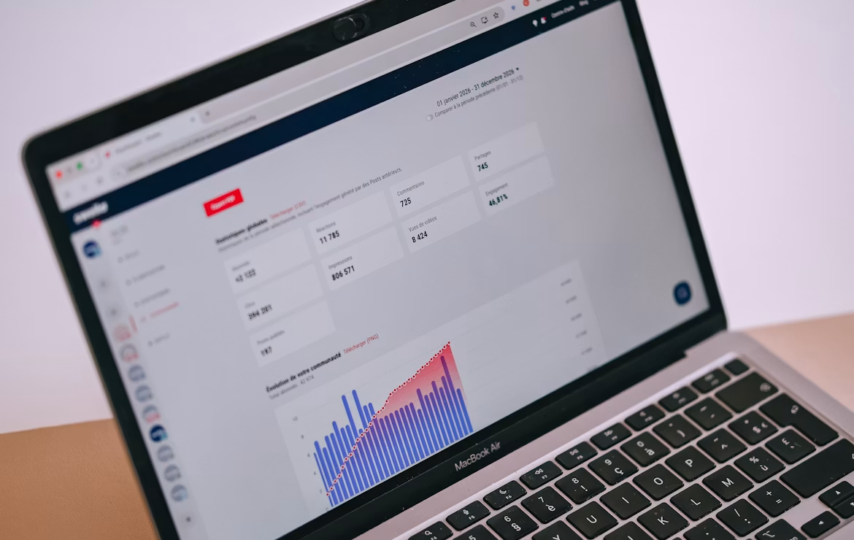
You can’t make something better if you don’t measure it. Strong analytics and regular reports are the foundation of any good strategy to improve ROI. Tools like Google Analytics give you valuable information about how users behave, where your traffic comes from, and how people convert. It’s important to look past numbers that just look good, like page views or social media likes, and focus on Key Performance Indicators (KPIs) that directly affect your profits. These might include cost per acquisition (CPA), customer lifetime value (CLV), and conversion rate. Setting up custom dashboards lets you see these important numbers at a glance, helping you spot trends, find campaigns that aren’t doing well, and make decisions based on data quickly.
Continuous Improvement Loops
Getting the most out of marketing ROI isn’t a one-time thing; it’s an ongoing process. The most successful marketers keep improving things. This means planning a campaign, running it, checking the results with analytics, and then using those insights to make the strategy better for the next time. This cycle applies to everything from ad copy and who you target to landing page design and email sequences. By always testing ideas and learning from both what works and what doesn’t, you can steadily make your campaigns perform better over time, making sure your marketing budget works harder and gives you better results.
Ultimately, focusing on ROI changes marketing from just an expense into a reliable way to grow your business. By using this ongoing process of measuring, testing, and refining, you can make sure your marketing efforts are always headed in the right direction.