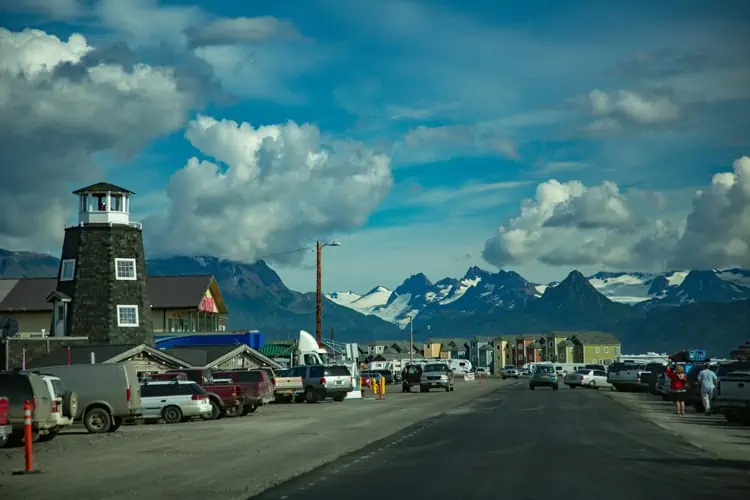

Running a business in Alaska comes with a unique set of challenges, from extreme seasonal shifts to the logistics of operating in remote or rural areas. Among these challenges, pest prevention is often overlooked until a problem becomes visible to employees or customers. By then, the damage to reputation, health standards, and property may already be significant. Unlike residential pest issues, commercial pest problems can affect a business’s bottom line, regulatory standing, and public image all at once. This is why investing in commercial pest control in Alaska has become a priority for business owners across industries, from restaurants and retail stores to warehouses and office buildings.
The Unique Pest Pressures Facing Alaska Businesses
Alaska’s climate and geography create pest pressures that differ significantly from those in the Lower 48. Long winters push rodents and insects to seek warmth and shelter indoors, making commercial buildings an attractive target. Businesses located near wooded areas, waterways, or rural roads often see higher rates of wildlife intrusion, including voles, shrews, and other small mammals seeking food and shelter.
Coastal businesses face additional challenges from moisture-related pests that thrive in damp storage areas, loading docks, and crawl spaces. Food service establishments are particularly vulnerable, as the presence of food, water, and warmth creates ideal conditions for pests such as cockroaches, ants, and rodents.
Because these pressures vary by industry and location, a one-size-fits-all approach to pest prevention rarely works. Businesses need strategies tailored to their specific operations, building structure, and surrounding environment.
The Real Cost of Ignoring Pest Prevention
Many business owners underestimate the financial and reputational risks associated with pest infestations. A single pest sighting by a customer or employee can lead to lasting damage that extends far beyond the cost of treatment. Some of the most significant risks include:
- Loss of customer trust and negative reviews following a visible pest sighting
- Regulatory fines or closures resulting from health code violations
- Damage to inventory, packaging, or stored goods caused by rodents or insects
- Structural damage from pests chewing through wiring, insulation, or wood framing
- Increased employee absenteeism or complaints related to unsanitary conditions
For industries such as food service, hospitality, and healthcare, the stakes are even higher, since pest problems can trigger immediate regulatory consequences and public health concerns. Even businesses outside these sectors face reputational risks that can be difficult to recover from once negative reviews or word of mouth spread.
Why Reactive Pest Control Isn’t Enough
Many businesses only address pest issues after a problem becomes visible, relying on reactive treatments rather than proactive prevention. While reactive pest control can resolve an immediate issue, it often fails to address the underlying conditions that allowed pests to enter in the first place.
A few reasons reactive approaches fall short include:
- Pests are often active for weeks or months before visible signs appear, allowing infestations to grow undetected
- Waiting until pests are visible increases the risk of customer or employee exposure
- Emergency treatments are typically more expensive than scheduled preventive care
- Reactive treatments do not address structural vulnerabilities that may lead to repeat infestations
Businesses that rely solely on reactive pest control often find themselves caught in a cycle of recurring problems, each requiring urgent and costly intervention.
The Advantages of Proactive Commercial Pest Control in Alaska
Proactive pest prevention shifts the focus from reacting to problems to preventing them before they start. Working with a professional provider of commercial pest control in Alaska allows businesses to establish a consistent, scheduled approach to pest management tailored to their specific industry and location.
Professional commercial pest control programs typically include several key components:
- Regular inspections to identify early warning signs before infestations take hold
- Sealing and exclusion services to close off potential entry points around the building
- Customized treatment plans based on the specific pests common to the business’s industry and region
- Detailed documentation to support health code compliance and inspection readiness
- Ongoing monitoring and adjustments based on seasonal pest activity
This proactive approach not only reduces the risk of infestations but also demonstrates a business’s commitment to cleanliness and safety, which can be a valuable factor in building customer trust.
Industry-Specific Pest Control Considerations
Different types of businesses face different pest risks, which means pest prevention strategies should be tailored accordingly. Restaurants and food service establishments require frequent inspections and strict sanitation protocols due to the constant presence of food and water sources. Retail stores must protect inventory and packaging from rodents and insects that can cause both financial loss and reputational harm.
Warehouses and distribution centers often deal with pests entering through loading docks or shipments, making exclusion and monitoring especially important. Office buildings, while generally lower risk, still benefit from routine pest prevention to protect employee health and maintain a professional appearance for clients and visitors.
Because each industry faces distinct challenges, working with a pest control provider experienced across multiple commercial sectors ensures that treatment plans are appropriately tailored rather than generic.
Building a Long-Term Pest Prevention Strategy
Effective pest prevention is not a one-time service but an ongoing process that adapts to seasonal changes and evolving business needs. Alaska businesses benefit most from partnering with a pest control provider who understands the state’s unique climate patterns and can adjust treatment schedules accordingly.
A strong long-term strategy typically includes scheduled inspections throughout the year, with increased attention during high-risk seasons such as fall, when pests seek shelter indoors as temperatures drop. Businesses should also maintain open communication with their pest control provider, reporting any signs of activity promptly so treatment plans can be adjusted as needed.
Employee training can also play a valuable role in prevention efforts. Staff members who understand basic signs of pest activity, such as droppings, unusual odors, or damaged packaging, can help identify problems early, allowing for faster intervention before an infestation grows.
Frequently Asked Questions
How often should Alaska businesses schedule pest control services? Most commercial properties benefit from monthly or quarterly inspections, though businesses in high-risk industries such as food service may require more frequent visits.
What industries face the highest pest control risks in Alaska? Restaurants, food storage facilities, healthcare settings, and hospitality businesses typically face the highest risks due to the presence of food, water, and high customer traffic.
Can pest prevention help with health code compliance? Yes. Regular professional treatment and documentation can help businesses meet health code requirements and demonstrate readiness for inspections.
Is proactive pest control more cost-effective than reactive treatment? In most cases, yes. Preventive care helps businesses avoid the higher costs associated with emergency treatments, closures, or damage repair caused by untreated infestations.
What can employees do to support pest prevention efforts? Employees can help by keeping food storage areas clean, promptly reporting signs of pest activity, and following basic sanitation guidelines provided by the business.
Final Thoughts on Protecting Alaska Businesses
Pest prevention is not just a matter of comfort. It is a critical component of protecting a business’s reputation, regulatory standing, and bottom line. Alaska’s unique climate and pest pressures make proactive planning especially important for businesses across every industry. Partnering with a trusted provider of commercial pest control in Alaska allows business owners to stay ahead of potential problems, maintain a safe and professional environment, and protect their investment for the long term. With the right prevention strategy in place, Alaska businesses can operate with confidence, knowing their property and reputation are well protected.