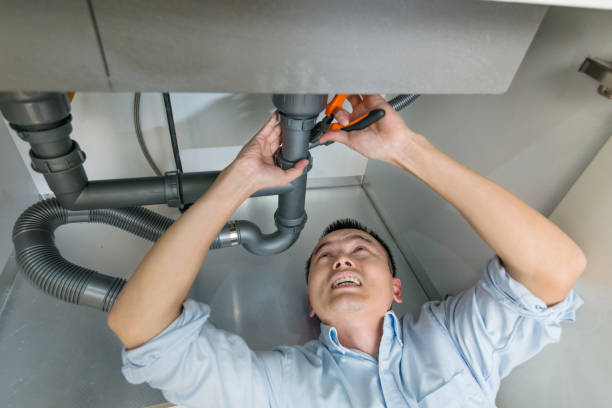

Seattle’s notorious rainy weather can be both a blessing and a curse for its residents. While lush greenery and vibrant landscapes are a common sight, the persistent precipitation presents a significant risk of water damage to homes. For homeowners, understanding the potential threats and solutions is crucial. This article will provide expert insights into water damage risks in Seattle, key signs to watch for, effective restoration techniques, and tips on selecting professional services. Armed with this knowledge, homeowners can take proactive steps to protect their properties.
Water Damage Risks in Seattle’s Climate
Seattle’s climate is characterized by frequent rainfalls, especially during the fall and winter months. This consistent moisture can lead to various water damage issues, such as basement flooding and roof leaks. Homeowners should consider an Indoor Air Quality (IAQ) Monitoring system, which can help detect excess humidity levels that precede Water Damage Restoration in Seattle. Additionally, having a well-planned Landscape Design Blueprint can mitigate risks by ensuring proper water drainage around the home.
Another factor contributing to water damage in Seattle is the clay-heavy soil, which retains water and increases hydrostatic pressure around the foundation. A proactive approach involves engaging in Soil Quality Testing to assess any drainage issues that could exacerbate water damage risks.
Key Signs of Water Damage Homeowners Should Identify
Early detection is key to minimizing the impact of water damage. Homeowners should routinely check for signs such as discolored walls, bubbling paint, or the musty odor often associated with mold growth. Performing a Childproofing Assessment can inadvertently reveal hidden water damage, as this process often involves inspecting areas behind furniture and appliances where moisture issues might not be immediately visible.
Another critical indicator is the presence of warped flooring or baseboards, which suggests prolonged exposure to moisture. In homes equipped with home automation systems, leveraging a Smart Home Integration Specialist can facilitate the installation of moisture sensors that alert homeowners to leaks or excess humidity.
Effective Water Damage Restoration Techniques
Once water damage is identified, timely restoration is essential. Techniques such as eco-friendly insulation methods can both repair and prevent further damage by improving the home’s resistance to moisture. Professional services often employ advanced dehumidification equipment and thermal imaging cameras to thoroughly dry and assess affected areas. Homeowners should consider a comprehensive Energy Efficiency Audit to ensure any restoration work maximizes both moisture control and energy savings.
For those looking to preserve the aesthetic and structural integrity of their homes, consulting with a Feng Shui Consultation expert can provide guidance on maintaining balance and harmony during the restoration process, ensuring that repairs align with the home’s overall design ethos.
Choosing Professional Water Damage Restoration Services
Selecting the right service provider is crucial for effective restoration. Homeowners should prioritize companies with a proven track record and expertise in dealing with Seattle’s specific challenges. For instance, opting for Water Damage Restoration in Seattle ensures that the chosen professionals understand local conditions and regulations, such as Residential Zoning Compliance.
When evaluating potential services, consider those offering comprehensive assessments, transparent pricing, and prompt response times. A reputable service will not only address the immediate damage but also offer preventative advice, such as regular HVAC Load Calculation assessments, to ensure the home remains protected from future threats.
Conclusion
Understanding and addressing water damage is crucial for Seattle homeowners who wish to safeguard their properties. By recognizing the risks, identifying early signs, employing effective restoration techniques, and selecting professional services, homeowners can mitigate the impact of water damage and maintain a safe, comfortable living environment. Proactive measures not only protect the home but also enhance its long-term value and livability.