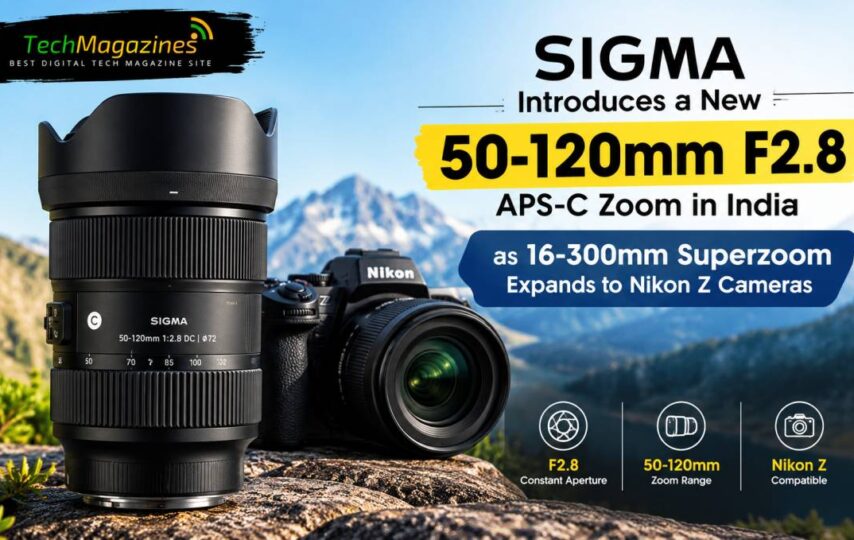

Photographers using APS-C cameras will soon have two more Sigma zoom lenses to consider in India. The company is expanding its lineup with the 50-120mm F2.8 DC OS | Contemporary, arriving on October 22, and the 16-300mm F3.5-6.7 DC OS | Contemporary, which will become available for Nikon Z cameras on November 5. The latter lens has already been released for other mounts, while the 50-120mm is an entirely new addition.
Sigma’s New 50-120mm F2.8 Lens Targets Telephoto Photography
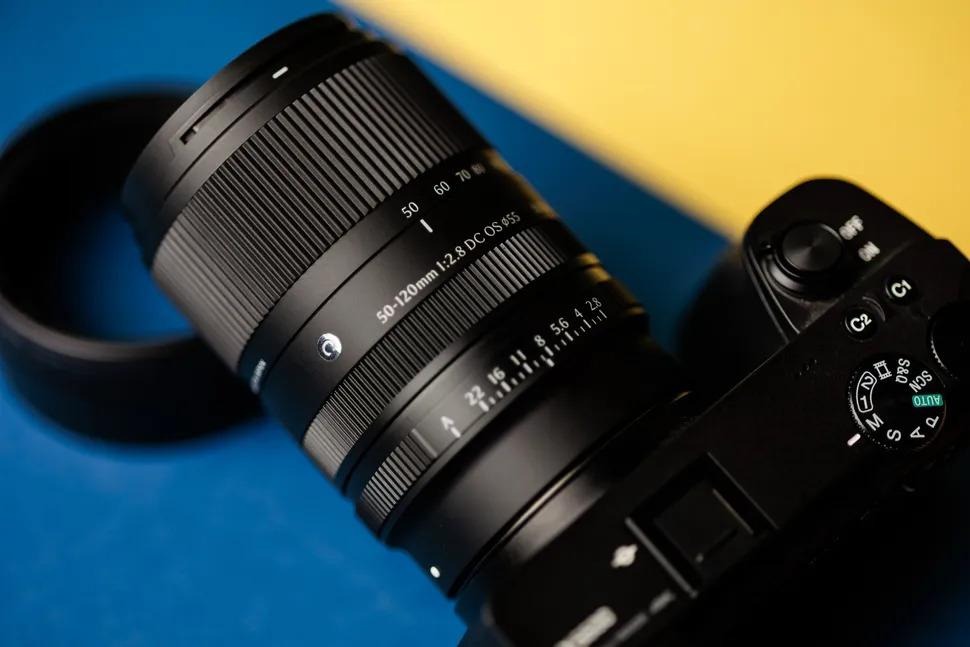
Designed for subjects that require a longer reach, the 50-120mm maintains an F2.8 aperture throughout its zoom range. Its field of view is comparable to that of a 75-180mm lens on a full-frame camera. The Sony E-mount version measures 99mm in length and weighs 390g, with Fujifilm X and Canon RF variants also in the lineup.
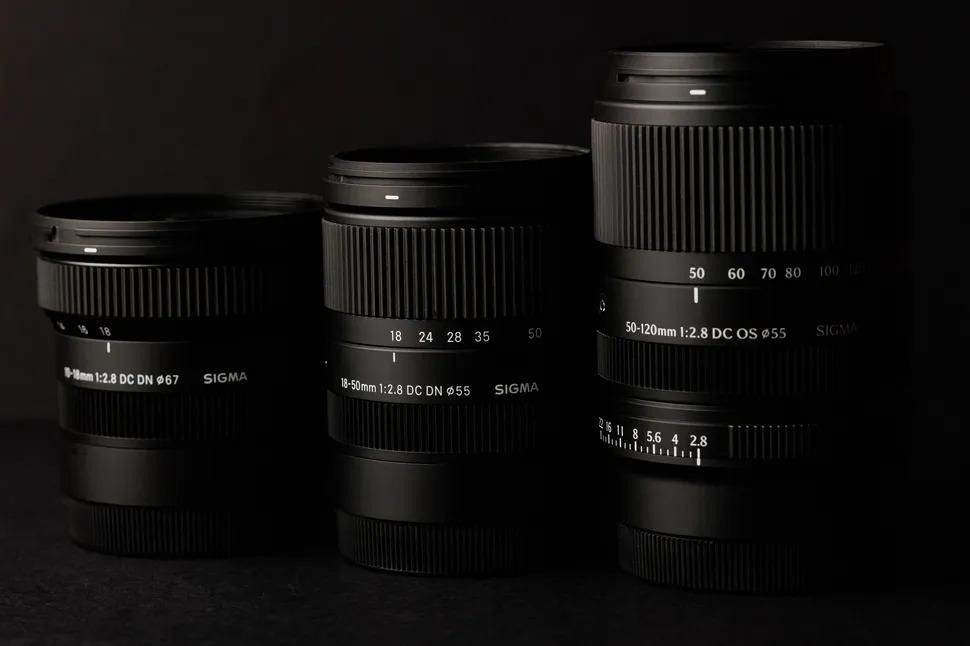
This release fills the remaining gap in Sigma’s APS-C F2.8 zoom collection. The 10-18mm F2.8 handles ultra-wide shots, while the 18-50mm F2.8 serves as the standard zoom. Add the new telephoto, and the complete three-lens kit weighs less than a kilogram. The 50-120mm uses a combination of one FLD element, three SLD elements and four aspherical elements in its optical construction.
Advanced Stabilisation and Autofocus Features in Sigma’s Latest Zoom
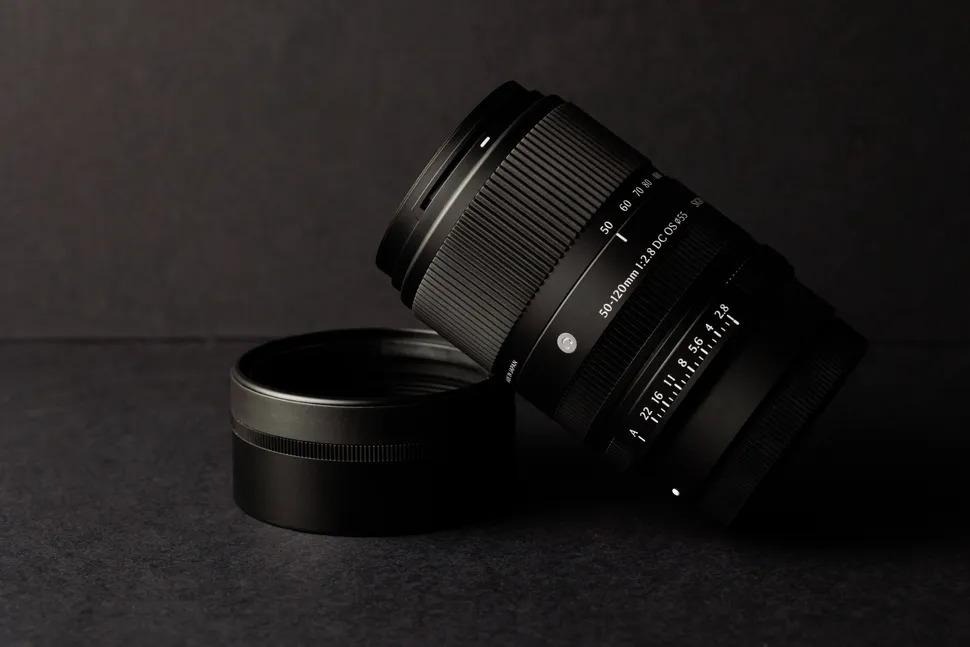
Sigma has stripped back the controls on its new 50-120mm zoom, leaving photographers to manage focus mode and optical stabilisation through the camera itself. The lens uses a High-response Linear Actuator (HLA) for autofocus.
It also limits focus breathing, a useful feature for video work. Stabilisation compensates for up to 6.5 stops of camera shake at 50mm and 4.5 stops at 120mm. Sigma has added protection against dust and splashes, along with a front coating that repels water and oil.
Sigma Brings Its 18.8x Superzoom to Nikon Z-Mount Cameras
The 16-300mm takes the opposite route from a collection of specialised lenses. It covers a broad range of focal lengths in one package, from wide-angle shots to distant subjects. Sigma describes its 18.8x zoom ratio as a world first for an autofocus interchangeable lens on mirrorless cameras. The lens can also reproduce subjects at half life-size, thanks to its 1:2 maximum magnification.
Stabilisation delivers up to 6 stops of compensation at 16mm, falling to 4.5 stops at 300mm. Sigma has adjusted the autofocus drive and communication speed to suit Nikon’s Z-mount system. The lens supports continuous autofocus and in-camera aberration correction on compatible cameras. Its mount also features a rubber seal to help keep dust and moisture out.
The two APS-C models arrive after Sigma introduced the full-frame 85mm F1.2 DG | Art and 20-60mm F2.8-4 DG | Contemporary in India on September 30. Those looking for an APS-C setup now have two distinct options. The 16-300mm offers considerable reach without requiring another lens. Alternatively, photographers can assemble a three-lens kit that maintains an F2.8 aperture throughout its zoom coverage, extending to 120mm.
Final Words
Now Sigma has introduced its latest lens in India, offering two very different options for APS-C photographers to upgrade their camera bags. The new 50-120mm F2.8 DC OS | Contemporary is designed for users who want to maintain a constant brightness throughout the zoom range, effective stabilisation and a lighter three-lens system without compromising the telephoto end of the zoom.
For Nikon Z users, the 16-300mm F3.5-6.7 DC OS | Contemporary is a great option for those who don’t want to carry a bunch of lenses for wide-angle shots and distant subjects. The 50-120mm is set to arrive on October 22 followed by the Nikon Z version of the 16-300mm on November 5, giving photographers new choices to consider this festive season.
It’s a matter of priorities: consistent F2.8 performance or maximum convenience. In any case, Sigma is making a strong argument for APS-C systems. After all, less lenses will mean less weight on your shoulders.