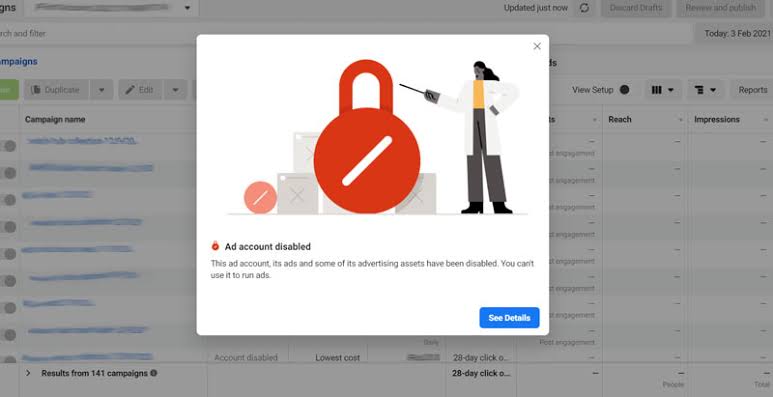

Few things ruin a morning like this one. You log in, ready to check your numbers, and there it is: “Your ad account has been disabled.” No warning. No clear reason. Just a grey screen and a campaign that’s stopped cold.
If it’s happened once, it’s annoying. If it keeps happening, something in your setup is sending the wrong signals. The good news? Most causes are simple, and most of them can be fixed.
Why do ad platforms disable accounts?
Platforms like Google and Meta review millions of ads every day. Most of that work is done by automated systems. They look for patterns that suggest risk: scams, misleading offers, payment fraud or rule-breaking products.
When your account matches enough of those patterns, it gets shut down. Sometimes that’s fair. Sometimes it’s a mistake. Either way, the fix starts with figuring out which pattern you matched.
The most common reasons accounts get disabled
Payment problems
A failed card, a card used on too many accounts, or a billing country that doesn’t match your business. Payment issues are one of the top triggers, and one of the easiest to fix.
Policy violations
Running ads for restricted products without approval is a fast way to lose an account. So are ads that break rules on health claims or personal attributes. Meta’s Advertising Standards list what’s off-limits.
Misleading ads or landing pages
Fake urgency, unrealistic promises, hidden fees or a page that doesn’t match the ad. Google’s misrepresentation policy is strict about this, and repeat issues can lead to suspension.
Trying to get around the system
This one surprises people. Opening a new account after a ban, hiding what a page really shows, or changing ads just to slip past review all count as circumventing systems. Google treats it as one of the most serious violations. It usually ends in a permanent ban.
A brand-new account spending fast
New accounts that jump straight to big budgets look suspicious. Platforms like to see trust built over time.
How to fix a disabled ad account
Don’t panic, and don’t open a new account. Work through these steps instead.
· Read the notice carefully. It usually names a policy, even if the wording is vague.
· Check your billing. Make sure your payment details are correct and match your business.
· Review your recent ads and pages. Look for claims, images or offers that could break a rule.
· Fix the problem first. Then appeal. An appeal on an unfixed account rarely works.
· Appeal through the official route. Google explains how to appeal a policy-related suspension. Meta lets you request a review from your account quality page.
Keep your appeal short and polite. Explain what you changed and why the account now follows the rules.
How to stop it from happening again
Getting back online is step one. Staying online is the real goal.
· Grow your budget slowly on new accounts.
· Use one clean payment method per business.
· Keep ad copy honest and avoid health or money promises.
· Make sure every landing page matches its ad.
· Read the rules for your category before you launch, not after.
If you’re in a sensitive category like supplements, finance or crypto, consider getting expert help. Teams that work with restricted niches, such as Black Hat Ads, see these problems daily and know what reviewers look for.
When is it worth asking for help?
If you’ve appealed twice and failed, step back. Repeating the same appeal won’t change the answer. A fresh pair of eyes can often spot what you missed: a line on your landing page, an old ad still running, or a payment detail that doesn’t add up.
Communities like r/PPC can also help. Other advertisers share what worked for them, and you’ll often find someone who had the exact same problem.
Frequently Asked Questions
How long does an appeal take?
Usually a few days, though it can take longer. Don’t send multiple appeals in the meantime.
Can I just open a new account?
Not if your old one was suspended. Platforms see that as circumventing their systems and may ban you permanently.
Why was I banned without any warning?
Automated systems act fast. Warnings aren’t always sent, especially for payment or security issues.
Will my account ever come back?
Many do, once the issue is fixed and the appeal is clear. Permanent bans are harder, but not always final.
Conclusion
Key Takeaways
· Most disabled accounts come from payment issues, policy breaks or misleading pages.
· Fix the problem before you appeal.
· Never open a new account to get around a ban.
· Grow new accounts slowly and keep billing clean.
· Get expert help if you work in a restricted niche.
A disabled account feels like a disaster, but it’s often a fixable one. Find the cause, fix it properly and appeal the right way. Then build habits that keep you off the reviewer’s radar for good.