


Google intelligent eyewear is now available to preorder at $395 and $449 from Warby Parker and Gentle Monster respectively. It will be available for sale from December 10th.
The glasses were announced on November 12th 2026 via a blog post written by Shahram Izadi, VP and GM of XR.
This product uses three different companies to create these glasses. Warby Parker and Gentle Monster created the frame designs, Samsung created the hardware, and Google’s Gemini acts as the AI. These glasses look like regular glasses but have a camera, speakers and voice control features.
Two Collections, Two Very Different Moods
Gentle Monster: Loud Colours, From $449
Gentle Monster takes the bolder route. The South Korean fashion brand has built its identity around striking eyewear, and its new collection follows the same path.
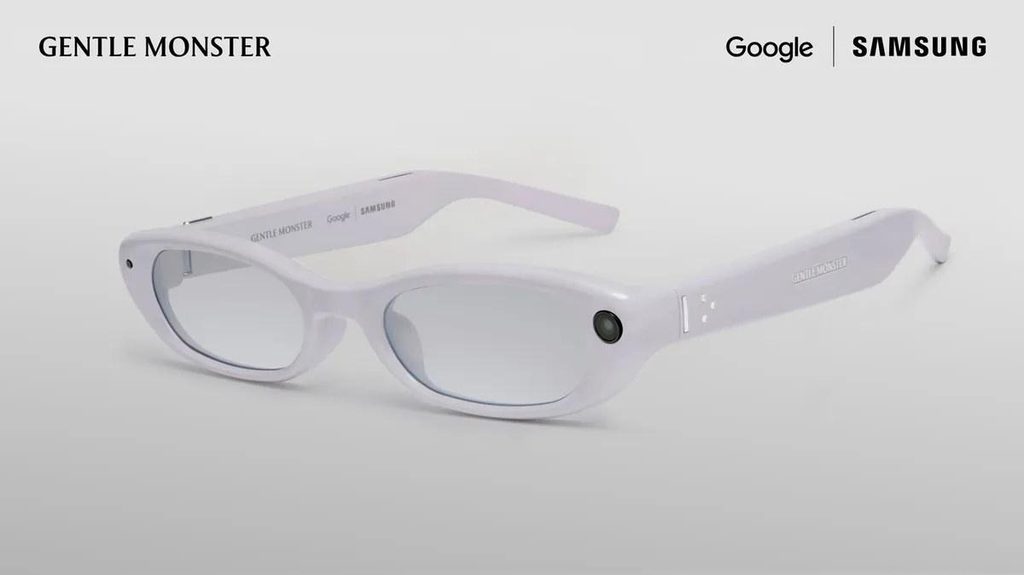
There are six designs, with colours ranging from dark red and pink to gray and yellow. Black frames also appear in the collection. Buyers can choose tinted or clear lenses, alongside blue and brown options. Prescription lenses are available for most frames, giving customers more room to customise their pair.
The collection starts at $449 and will be sold in the United States and South Korea.
Warby Parker: Alden, Reid and Wren, From $395
For everyday wear, Warby Parker offers three styles: Alden, Reid and Wren. Each comes in optical and sun versions, with Pine, Saddle and Jet Black among the available colourways.
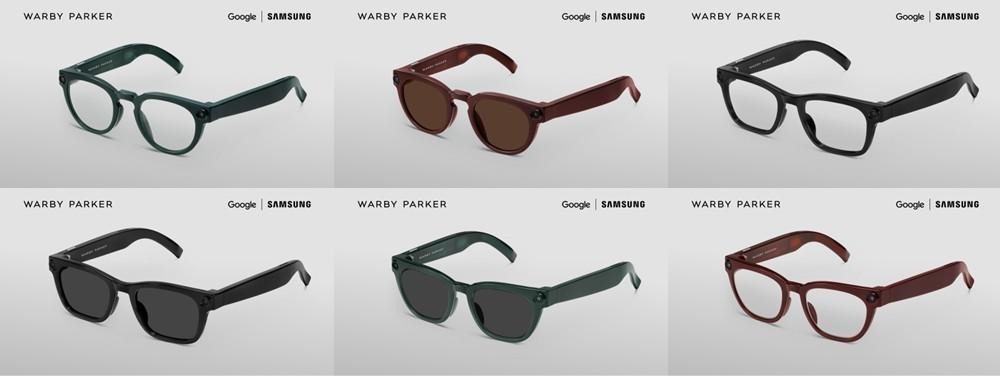
The collection starts at $395. Customers can explore a broad selection of prescription strengths, frame widths and lens choices, making it easier to find a comfortable fit.
Warby Parker will sell the glasses through its website, warbyparker.com. Those who prefer to try before buying can book guided demonstrations at more than 360 stores. The approach suits the brand’s familiar style of classic, practical frames.
What’s Inside the Frames
The glasses weigh about 41 grams, keeping them close to the feel of conventional eyewear. Google claims battery life of up to nine hours, although actual performance depends on usage and settings. The charging case can refill the glasses up to seven times.

A 12MP ultra-wide camera handles photographs and video, with HDR, image stabilisation and spatial audio capture. Custom-tuned open-ear speakers deliver sound without covering the ears.
There is one major distinction. These glasses have no display built into the lenses. They rely on audio and camera functions instead. Google has shown display-equipped prototypes before, but those are not part of this launch. Samsung supplies the hardware, which uses Qualcomm chips.
What Gemini Can Do Through Your Glasses
Gemini turns the frames into a hands-free assistant. Say “Hey Gemini” or tap the frame to start a conversation.
You can ask questions about things in front of you. Spot an unfamiliar piece of street art? Ask about it. Looking at a shelf of books? Request suggestions. You can even point towards an event poster and ask Gemini to check your Calendar for a possible clash.
The assistant can also add items you see to a grocery list or create reminders for upcoming meetings. Google Maps provides turn-by-turn directions through the speakers, while Google Translate offers real-time speech translation, automatic language detection and support for more than 70 languages.
Music controls cover YouTube Music, Spotify and Apple Music. Audible audiobooks will work on Android only at launch. Users can also read and reply to group chats or answer calls without reaching for their phones.
Help for Blind and Low-Vision Users
Guided Vision offers conversational audio descriptions of the surroundings and can help with tasks such as reading small print. It launches on Android and may require a subscription. Google says it is not a medical or mobility aid.
Aira offers another option. It lets users stream the glasses’ camera feed to a professional human visual interpreter. This service is also Android-only at launch.
The Privacy Question
A camera attached to someone’s face raises an obvious question: who gets to see the footage?
Google says images sent to Gemini are not saved in Gemini History, used to train AI or used for targeted advertising. The system automatically blurs or redacts bystanders’ faces before Gemini processes images. Data is encrypted both on the glasses and during transmission.
Users can control which apps access the camera and microphone, and review or delete Gemini chats. A visible indicator light signals when the glasses record photos or video. If someone covers or disables that light, recording stops.
There is also a physical off switch. Turn it off, and the smart features stop working. The glasses become ordinary eyewear.
Do They Work With an iPhone?
Yes. They will work with iPhone 13 Pro and newer. Android will work with Pixel 7 series and newer devices with the September 2026 Android 17 update and newer. Samsung Galaxy S, S FE, Z Fold, Z Flip, and Fold Ultra devices will also be compatible with One UI 9.0 and newer.
You will need a Google Account, you’ll need to be at least 18 years old and based in the US or South Korea. You’ll also need to set up Gemini. The Guided Vision, Aira, and Audible features are only available on Android.
How and Where to Pre-Order
You can pre-order the glasses from Gentle Monster and Warby Parker online and in-store. Some locations will have demo units available.
General sales begin on December 10th online and in-store. More information can be found on glasses.google.
Final Words
It is kind of funny seeing a tech company spend years integrating artificial intelligence into smart glasses and then actively tell their customers how to turn them off.
But there is a good reason. Having a camera near people’s faces can cause plenty of suspicion and while the LED light will help alleviate some concerns, it can’t help with all. Providing a physical switch means that if the tech feels invasive, you can easily turn it off without removing your glasses.
This could be a much more appealing feature. While we still need our glasses, we want them to look good and be comfortable. If they can answer questions about paintings and help us find restaurants that’s great. But knowing we can just ignore the assistant may be what puts us at ease and makes us want to purchase them.