
Every modern vehicle depends on a network of electrical components that work together to start the engine, power accessories, and keep the battery charged. Two of the most important parts of this network are the starter motor and the alternator. Drivers often confuse them because both are connected to the battery and both involve electricity. However, they perform very different jobs. Understanding what each one does helps you diagnose problems faster, avoid unnecessary repairs, and keep your vehicle reliable for years.
What Is a Starter Motor?
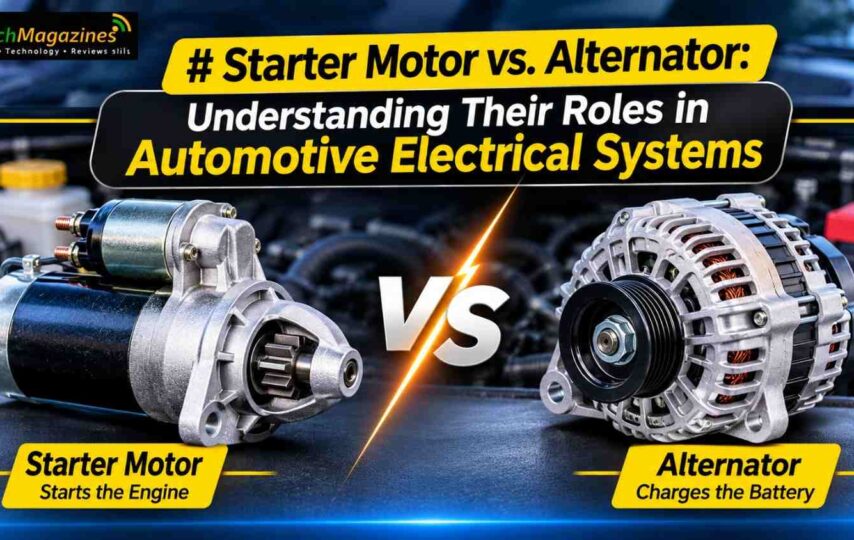
The starter motor is a small but powerful electric motor that brings the engine to life. When you turn the key or press the start button, the battery sends a strong surge of current to the starter. The starter then spins the engine’s flywheel, which begins the combustion cycle. Once the engine runs on its own, the starter disengages and rests until the next time you need it. If you want to learn more about how starting systems fit into overall vehicle performance, a trusted automotive resource can offer helpful guidance.
A typical starter includes a solenoid, a pinion gear, and an electric motor. The solenoid acts as a switch and pushes the pinion gear forward so it meshes with the flywheel. Because the starter works only for a few seconds at a time, it is built to handle very high current for short bursts rather than continuous operation.
What Is an Alternator?
The alternator is the vehicle’s power generator. While the engine is running, a belt connected to the crankshaft spins the alternator’s rotor inside a set of coiled wires. This motion produces alternating current, which internal diodes convert into direct current that the vehicle can use.
The alternator has two main responsibilities. First, it recharges the battery after the engine has started. Second, it supplies electricity to the lights, radio, climate control, power windows, and other electrical features while you drive. A voltage regulator keeps the output steady, usually between 13.5 and 14.5 volts, so sensitive electronics are not damaged by surges or drops.
Key Differences Between the Two Components
Although both parts are electrical, their purposes are opposite in an important way. The starter consumes electricity from the battery, while the alternator produces electricity and sends it back to the battery. The starter works for only a few seconds during ignition, but the alternator runs for as long as the engine is on.
Other differences include:
- Function: The starter turns the engine over, and the alternator generates power.
- Operating time: The starter works briefly, and the alternator works continuously.
- Power flow: The starter draws current, and the alternator supplies current.
- Drive method: The starter engages the flywheel directly, and the alternator is driven by a belt.
- Failure effect: A bad starter prevents the engine from starting, while a bad alternator lets the car start but eventually causes it to stall once the battery drains.
How They Work Together
The starter and alternator depend on the battery as their shared link. When you start the car, the battery gives the starter the energy it needs to crank the engine. Once the engine is running, the alternator takes over, powers the electrical systems, and replenishes the energy the battery used during startup.
If one part fails, the others suffer. A weak alternator cannot fully recharge the battery, which means the starter may not receive enough current next time. Likewise, a failing starter can draw excessive current, putting extra strain on the battery and charging system. This is why a technician often tests all three parts together before recommending a repair.
Signs of a Failing Starter Motor
Starter problems usually appear during ignition. Watch for these warning signs:
- A clicking sound when you turn the key, with no engine crank.
- A grinding noise during startup, which may mean the pinion gear is not meshing properly.
- The engine cranks slowly even though the battery is fully charged.
- Intermittent starting, where the car works some days and not others.
- Smoke or a burning smell caused by overheating or electrical faults.
Signs of a Failing Alternator
Alternator trouble tends to show up while you are driving. Common symptoms include:
- A battery warning light on the dashboard.
- Dim or flickering headlights and interior lights.
- Strange whining or growling sounds from under the hood.
- Electrical accessories working poorly or shutting off.
- A dead battery shortly after a jump start.
- A burning rubber smell from a worn or slipping belt.
Because these symptoms can resemble battery problems, a voltage test with a multimeter is a good way to confirm the cause. A healthy charging system usually reads within the normal range while the engine runs.
Maintenance Tips for a Healthy Electrical System
Regular care can extend the life of both components. Inspect the serpentine belt for cracks, fraying, or looseness, since a worn belt reduces alternator output. Keep battery terminals clean and tight, because corrosion creates resistance that strains both the starter and the alternator. Have your battery tested before winter, when cold temperatures make starting harder. Avoid using electrical accessories heavily while the engine is off, and never rely on the alternator to recharge a deeply drained battery, as this can cause overheating.
It is also wise to address small symptoms early. A slow crank or a flickering light might seem minor, but it often signals a developing fault that becomes costlier if ignored.
Conclusion
The starter motor and the alternator may share a place in the same electrical system, but their roles are clearly different. The starter uses battery power to crank the engine, while the alternator generates electricity to run the vehicle and recharge the battery. Knowing how each part works, how they cooperate, and what warning signs to watch for helps you make smarter maintenance decisions and avoid being stranded. To learn more about keeping your vehicle’s electrical system in top condition, consult a qualified mechanic or a reliable automotive guide. With regular inspections and timely repairs, both components can deliver dependable performance for many miles.