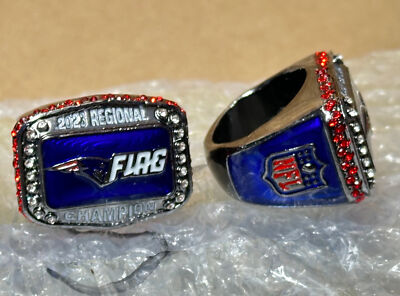

Youth flag football gives young athletes an opportunity to build skills, stay active, make friends, and experience the excitement of team competition. While winning should never be the only goal of a youth sports program, celebrating achievement can make the season more memorable for players and families. Flag football championship rings offer leagues a meaningful way to recognize athletes who commit their time, effort, and energy to reaching a shared goal. Unlike a certificate that may be placed in a drawer, a championship ring becomes a lasting symbol of teamwork and perseverance. When presented thoughtfully, rings can strengthen league traditions and help young players feel proud of what they accomplished together.
Championship Rings Make Youth Sports More Memorable
Children may not remember every score, completed pass, or defensive stop from a season. However, they often remember how they felt when their team won an important game or celebrated together after a championship. A ring gives players a physical reminder of those positive emotions and the people who shared the experience with them. Years later, athletes can look at the ring and recall their teammates, coaches, practices, and defining moments from the season. That emotional connection makes championship rings more than decorative awards.
Youth leagues create experiences that can influence how children view sports for years. A well-organized awards presentation shows players that their participation and effort are valued by the adults running the program. Rings add excitement to that moment because they resemble the awards presented to professional, college, and high school champions. Young athletes often enjoy feeling connected to the traditions they see at higher levels of competition. Providing that experience can make a local flag football championship feel significant without losing sight of age-appropriate sportsmanship.
Rings Recognize Teamwork Instead of Individual Statistics
Flag football requires every player to contribute, even when some roles receive more attention than others. Quarterbacks and receivers may produce noticeable statistics, but blockers, defenders, substitutes, and supportive teammates also influence the outcome of a game. A team championship ring recognizes the entire roster rather than focusing only on one high-scoring athlete. This inclusive approach reinforces the lesson that championships are earned collectively. Every player receives the same symbol of achievement because every player was part of the journey.
Team-based recognition is especially valuable in youth sports, where skill levels can vary widely. Some children may enter the league with years of experience, while others may be learning the rules for the first time. Championship rings allow coaches to celebrate each athlete’s contribution without comparing children based solely on speed, size, or statistics. Players begin to understand that practicing consistently, listening to coaches, and encouraging teammates all have value. These lessons can help create more supportive teams and healthier competitive environments.
Flag Football Championship Rings Build League Tradition
Strong youth sports leagues often have traditions that connect current players with previous generations. Championship rings can become part of that tradition by giving each winning team a distinctive keepsake that represents its season. Leagues may customize rings with the organization’s name, team colors, championship year, division, or tournament title. As more teams earn rings over time, the awards become associated with the league’s history and standards. Players may return in future seasons, hoping to earn another ring and add to their personal collection.
Traditions also help youth leagues establish a recognizable identity within the community. Families are more likely to remember and recommend programs that provide organized events, thoughtful recognition, and memorable championship experiences. Photos of players receiving or wearing their rings can be shared through league websites, newsletters, and social media pages. These images show prospective families that the organization values its athletes and celebrates their accomplishments. A consistent championship tradition can therefore support both player engagement and league growth.
Rings Encourage Commitment Throughout the Season
Youth sports seasons can present challenges for players, parents, and coaches. Athletes may face difficult losses, changing schedules, demanding practices, or moments when their confidence drops. Knowing that a championship experience includes meaningful recognition can provide extra motivation as teams work toward their goals. The ring should not become the only reason athletes participate, but it can serve as an exciting symbol of what consistent effort may achieve. Coaches can use the possibility of earning a ring to reinforce preparation, responsibility, and teamwork.
Healthy motivation requires coaches to focus on the process rather than making promises about winning. Players should learn that they can control their effort, attitude, preparation, and response to adversity, even when they cannot control the final score. When a team eventually earns championship rings, coaches can connect the achievement to the habits players demonstrated throughout the season. The award then represents weeks of work rather than one successful game. This perspective helps young athletes understand the relationship between preparation and results.
Championship Rings Support Player Confidence
Winning a championship can be a significant confidence-building experience for a young athlete. Receiving a ring gives players a visible reminder that they were capable of contributing to a successful team. That reminder may encourage children to try new positions, continue playing another season, or pursue challenges outside of sports. Confidence often grows when children can connect a positive result to their own preparation and persistence. A championship ring helps preserve that connection after the season ends.
The presentation should recognize growth as well as the final victory. Coaches can remind players of obstacles the team overcame, skills they developed, and ways they supported one another. This approach prevents the ring from becoming a symbol of superiority over other teams. Instead, it represents progress, discipline, and shared achievement. Young athletes can feel proud while still learning to respect opponents and appreciate the competitive experience.
Rings Can Strengthen Relationships With Families
Parents and guardians make major contributions to youth flag football programs. They coordinate transportation, purchase equipment, manage schedules, volunteer at games, and encourage athletes through victories and losses. A championship ring presentation gives families an opportunity to celebrate the result of that shared commitment. Parents often value keepsakes that preserve meaningful stages of their children’s lives. Rings can become cherished family items alongside team photos, jerseys, and tournament programs.
Leagues can make the presentation even more engaging by hosting a brief awards ceremony after the championship game or at a season-ending banquet. Coaches may share a few words about the team, thank families and volunteers, and recognize the players together. Creating a dedicated celebration gives everyone time to appreciate the season instead of rushing away immediately after the final whistle. It also helps players recognize the support system behind their success. These community moments can improve retention and encourage families to return for future seasons.
Customization Gives Every Championship a Unique Identity
One of the greatest advantages of championship rings is the range of customization options available. Youth leagues can select designs that fit their branding, age groups, budgets, and competitive structure. Rings may feature a football, flag belt, league logo, team mascot, championship title, or player number. Different divisions can receive variations that identify their age group or level of play. These details make the award feel connected to the specific championship rather than appearing generic.
Common customization options include:
- League or tournament name
- Championship year
- Team name or mascot
- Division or age group
- Team colors
- Player name or jersey number
- Final record or tournament result
- Custom logo or football design
- Engraved message inside the band
League organizers should select only the details that improve the design and preserve readability. Overloading a small ring with too much information can make the finished product appear crowded. A clean design with a few recognizable elements usually creates a stronger impression. Organizers should also review sizing, production timelines, and personalization deadlines before placing an order. Planning early reduces the possibility of delays or errors during the championship celebration.
Rings Offer Long-Term Value
Youth leagues must consider cost when choosing awards, especially when serving multiple divisions or large rosters. Although rings may cost more than basic ribbons or printed certificates, their durability can provide greater long-term value. A quality ring is designed to remain intact and displayable for many years. Players are also less likely to discard an award that feels substantial and personalized. This longevity can justify the investment for championship teams.
Leagues can control costs by ordering in bulk, selecting standardized designs, or reserving extensive personalization for certain details. Registration fees, tournament revenue, sponsorships, and fundraising may help cover the expense. Some local businesses may be willing to sponsor championship awards in exchange for appropriate recognition at league events. Organizers should communicate clearly with families if ring costs are included in registration or require an optional contribution. Transparent planning makes it easier to provide a memorable award without creating financial confusion.
How to Create a Meaningful Ring Presentation
The way a league presents championship rings can be just as important as the design. Handing rings to players without explanation may make the moment feel rushed or transactional. Coaches should take time to describe what the team accomplished and why the award matters. They can mention the players’ improvement, resilience, sportsmanship, and willingness to work together. Specific recognition gives emotional meaning to the physical award.
A successful presentation may include:
- A brief recap of the championship season
- Recognition of coaches, volunteers, and families
- Individual player introductions
- A team photo with the rings
- A message about teamwork and sportsmanship
- Recognition of the opposing team’s effort
- Time for players and families to celebrate together
The ceremony does not need to be long or complicated. Even a few organized minutes after the final game can create a powerful memory. League officials should ensure that every eligible player is included, including athletes who could not attend the championship game because of illness or another valid reason. Awards can be delivered later to absent players so they remain part of the team celebration. Inclusion strengthens the message that the entire roster contributed to the season.
Frequently Asked Questions About Flag Football Rings
What are flag football championship rings?
Flag football championship rings are commemorative awards presented to players, coaches, or staff after winning a league, division, tournament, or postseason championship. They can be customized with team and event details.
Should every player on the championship team receive a ring?
Yes. Every eligible rostered player should generally receive a ring because a championship reflects the contributions of the entire team, not only the athletes who played in the final game.
Can youth flag football rings be customized?
Yes. Rings can often include team names, league logos, championship years, player numbers, divisions, mascots, colors, and engraved messages.
Are championship rings appropriate for younger children?
Yes. Rings can be designed in youth sizes and presented with an age-appropriate message about teamwork, effort, improvement, and sportsmanship.
How early should leagues order championship rings?
Ordering timelines vary by supplier and level of customization. Leagues should begin planning before the championship, whenever possible, and confirm production and delivery estimates with the manufacturer.
How can a youth league pay for championship rings?
Leagues may use registration fees, tournament revenue, sponsorships, fundraising, donations, or a dedicated awards budget. Costs and payment expectations should be communicated clearly to families.
Should coaches also receive rings?
Many leagues provide rings to head coaches, assistant coaches, and key team staff. Recognizing these individuals acknowledges the time and guidance they contributed throughout the season.
Creating a Championship Experience Players Will Remember
Youth flag football is about more than determining which team finishes first. It teaches communication, discipline, resilience, leadership, and respect for teammates and opponents. Championship rings can support those lessons when they are presented as symbols of shared work rather than prizes that define a child’s value. They give players something tangible to connect with the practices, challenges, friendships, and accomplishments that shaped the season. That lasting connection is why rings can be such an effective part of a youth league’s recognition program.
Flag football championship rings also help leagues create traditions that players and families look forward to each year. They recognize every roster member, add excitement to the final event, and preserve memories long after the season has ended. With careful budgeting, thoughtful customization, and an inclusive presentation, leagues can make championship recognition both meaningful and responsible. The result is an award that celebrates success while reinforcing the positive values youth sports are meant to teach. For leagues seeking to create a complete championship experience, rings are a lasting investment in players, families, and the future of the program.