
In today’s professional environment, social media is no longer simply somewhere to pass the time while waiting for a meeting to begin but rather a huge library of best-practice information, mood boards, and competitors’ intelligence. But here is the reality we often ignore: everything we see on these platforms is essentially on loan. We are “renting” access to content that could vanish the second a creator hits delete or a platform changes its algorithm.
This inherent fragility is why we’re seeing a massive resurgence in local media archiving. For designers, researchers, and marketing strategists, the ability to take a piece of content “offline” isn’t just a convenience—it’s about protecting your digital assets. If a post is critical to your project, you shouldn’t be relying on a bookmark; you should have the file.
Why the “Always-Online” Model is Failing Professionals
Let’s be honest: the “walled garden” approach of major social networks is designed to serve the platform, not the user. Instagram and Facebook want you trapped in an infinite scroll. They intentionally omit a native “save to device” button because your data and time are their primary revenue streams.
However, for those of us working in the real world, this causes several professional friction points:
1. The “Vanishing Content” Problem:
I’ve seen countless projects stalled because a reference video was archived by the original creator. Once that link is gone, the data is lost.
2. Bandwidth and Data Integrity:
Continuously streaming video in HD (High Definition) is inefficient. You’re working in an area where connectivity is low or traveling for a keynote, and you could use those files to be able to play them without a loading spinner.
3. Creative Breakdown:
You cannot easily “scrub” through an online video for specific frames or analyze the bitrate of a social post while it’s stuck inside an app’s proprietary player.
To solve this, a dedicated Instagram downloader has become a staple in the modern professional’s toolkit. It’s the bridge between a fleeting digital moment and a permanent, high-fidelity asset.
VidMate: The Multi-Platform Powerhouse
If you’ve spent any time looking for downloader tools, you know the market is a mess. Half the websites you discover are filled with pop-up ads that appear as though they want to hijack your browser. That’s why VidMate has always topped the list of experts.
It isn’t just a single-purpose script. It’s a robust VidMate utility that acts as a comprehensive media hub. While most people find it when looking for a powerful Instagram downloader that allows users to download videos and music directly from Instagram, its real value lies in its breadth.
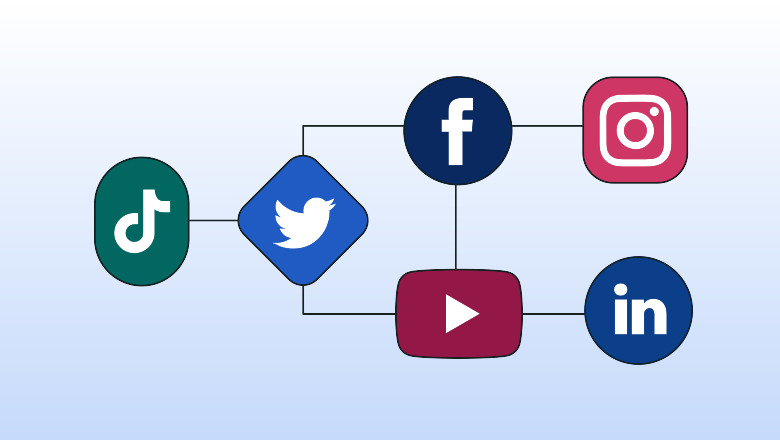
The software also allows downloading content from other popular websites such as YouTube, Facebook, Twitter, and WhatsApp. Think about the efficiency of that. Instead of having a “YouTube tool” and an “Instagram tool” and a “Facebook tool,” you have one centralized interface. For an SEO strategist or a content curator, that reduction in technical overhead is worth its weight in gold.
The Technical Pillars of High-Quality Archiving
If you’re going to build a professional archive, you can’t settle for the “low-res” defaults that most basic sites offer. You have to be picky about the technical specs of your downloads. Here is what I look for when I’m vetting tools for my own workflow:
- Bitrate and Resolution Control
A lot of “free” tools compress the hell out of your video. If you’re pulling a 4K Reel for a client presentation, you want that 4K source. You don’t want a grainy, 480p mess that looks like it was filmed on a potato. A professional-grade utility will give you a list of available resolutions so you can choose the right one for the job.
- Multi-Threaded Extraction
Time is money. You shouldn’t be staring at a progress bar for three minutes just to grab a thirty-second clip. High-end downloaders use multi-thread technology—essentially breaking the file into tiny chunks and pulling them all at once. It’s the difference between “getting it done now” and “getting it done eventually.”
- Direct Audio Conversion
Sometimes the video is just noise. If you’re a music producer or a podcast editor, you might just want the audio track. I look for tools that allow for direct MP3 or M4A extraction. It saves me the extra step of having to run the video through a converter later, which invariably saves a few minutes of my life every time I do it.
The Ethics of the “Save” Button: A Professional Code
I have to put on my “responsible industry voice” for a moment. Having the technical ability to download everything on the internet doesn’t mean you have the moral right to exploit it. In the professional world, we have to follow a “Golden Rule” of media:
- Archival for Reference: Downloading for personal study, mood-boarding, or offline viewing is “the sweet spot.”
- Fair Use and Credit: If the clip you downloaded gets featured in some public endeavor, make sure you give the author his credit. Tag them. Link back. Don’t be a digital pirate.
- Privacy Boundaries: This is a big one. If an account is private, it’s private for a reason. Using tools to scrape content from locked profiles is a major ethical breach and, in many cases, a violation of platform terms.
Why “Screen Recording” is a Technical Dead-End
I still see “pros” who try to screen-record their phone to save a Reel. It’s painful to watch. Not only do you capture your battery icon, your notifications, and the UI buttons, but you also lose a massive amount of data quality.
A screen recording is essentially a “photograph of a photograph.” You’re capturing the pixels of your screen, not the original bits and bytes of the file. A direct downloader “sniffs” the actual server path. It grabs the raw source file—the exact same file the creator uploaded. The result? A cleaner, smaller, and vastly higher-quality asset.
Organizing the Digital Chaos: From Downloads to Assets
You’ll find that, once you start working with a tool like VidMate, it won’t take long before your storage is complete. I kid you not. If you aren’t using some form of organization system, your “Downloads” folder will be filled with a graveyard of Video_12345.mp4-named files. That is not a library; that’s a mess.
My Personal Asset Management Workflow:
1. 5-Second Rename: Rename the downloaded files immediately after they complete. This is what I do: “YYYY-MM-DD_Creator_Topic.” Five seconds versus hours of hunting.
2. Folder Hierarchy: Don’t just dump everything in one place. Group your downloads by project or by platform. (e.g., Archive > Instagram > Gym_Inspiration).
3. The “Two is One” Rule: If a video is irreplaceable for your career, keep it in two places. One local drive, and one encrypted cloud backup.
Looking Ahead: The Future of Media Autonomy
We are moving toward an era where “Media Literacy” includes “Media Sovereignty.” As platforms become more restrictive and AI-generated content starts to flood our feeds, having a curated, human-selected archive of “real” content will be more valuable than ever.
Whether you’re using a specific Instagram downloader for your daily social research or relying on the multi-platform strength of VidMate to build a professional-grade reference library, you are essentially future-proofing your knowledge base.
Stop allowing those pesky algorithms to decide what you see and when you see it. Take the material that matters to you, put it into your own archive, and own your digital journey.