
Introduction
A birthday photo does not need a professional studio, expensive decorations, or a perfectly staged location to look polished. Today, digital image editing allows ordinary portraits to become visually engaging celebration images with a few thoughtful adjustments. This shift is especially relevant as consumers, creators, and small businesses increasingly rely on digital visuals for invitations, social media posts, family albums, and event promotions.
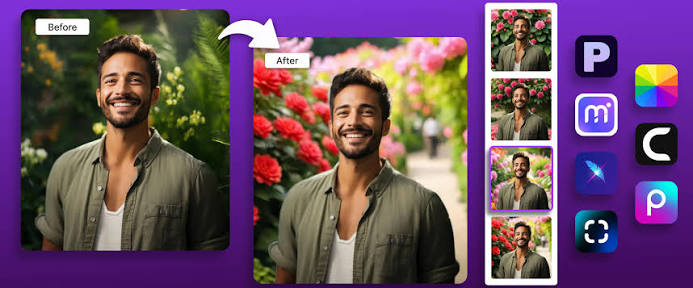
The challenge is not simply changing a background. A convincing edit must preserve the subject while making the new environment feel naturally connected to the original photograph. Lighting, color, perspective, and edge details all influence whether an edited image looks authentic. AI-powered image tools are helping simplify this process by automating complex editing tasks while giving users more creative flexibility.
The Growing Role of AI in Image Creation
Artificial intelligence has changed photo editing from a highly technical process into something that more people can approach confidently. Traditional background replacement often required detailed masking, multiple layers, and careful manual adjustments. Modern AI tools can identify subjects, understand surrounding visual elements, and generate or replace backgrounds with much less effort.
This is particularly useful for celebration photography, where the goal is often to create an attractive setting around an existing portrait. Instead of arranging balloons, decorations, cakes, and lighting in a physical location, users can explore digital alternatives first. Tools designed to add birthday background to photo can help transform a simple portrait into a more event-focused composition while keeping the person at the center.
The broader value of AI is its ability to speed up experimentation. Users can consider several visual directions without committing significant time or resources to each version.
What Makes a Background Replacement Look Realistic?
A background can be technically accurate yet still look artificial. Realism depends on how well the new environment interacts with the original subject. Lighting is one of the most important considerations because a brightly lit person placed into a dark party scene can immediately appear disconnected.
Scale and perspective also matter. Decorations should appear appropriately sized relative to the subject, while shadows and color temperature should support the overall setting. Hair, hands, clothing edges, and other fine details require particular attention because poor masking can create obvious outlines.
AI-assisted editing can simplify these challenges, but human judgment remains important. The strongest results usually come from selecting a background that suits the original pose and lighting rather than forcing an unrelated scene into the photograph. A restrained, coherent design often looks more professional than an overly crowded birthday setting.
Practical Uses for Celebration-Themed Images
Birthday background editing has applications beyond personal photo collections. Families can use customized portraits for invitations, milestone albums, greeting cards, digital announcements, and social media posts. A simple home photograph can become a more visually appropriate image for a first birthday or anniversary without requiring a professional photography session.
Small businesses and event professionals can also benefit from flexible image creation. Party planners, photographers, invitation designers, and social media managers may need several variations of a visual for different campaigns or audiences. Digital background editing allows them to test concepts before investing in physical props or new photography.
The same approach can support seasonal marketing and promotional content. A carefully designed celebration image can communicate an event theme quickly while keeping the main subject visually prominent. This makes AI-assisted editing useful not only for casual creativity but also for practical content production.
Building Better Images With Thoughtful Editing
Technology can make editing faster, but creative decisions still determine the quality of the final image. Before changing a background, it helps to consider the purpose of the photograph, the subject’s clothing, the available lighting, and the intended audience.
For a child’s birthday portrait, softer colors and simple decorations may create a more natural result. An elegant adult celebration might work better with restrained lighting and sophisticated décor. The background should support the photograph rather than compete with the person.
It is also important to review the final image at full size. Small problems around hair, fingers, clothing, shadows, or decorative objects may not be visible in a thumbnail. Checking these areas before publishing can prevent an otherwise strong image from looking unfinished.
Conclusion
AI-powered background editing is making professional-looking image creation more accessible to everyday users. Instead of relying entirely on physical locations, elaborate setups, or advanced design software, people can explore creative possibilities directly from existing photographs.
The most effective results, however, still depend on good visual judgment. Realistic lighting, appropriate scale, clean subject edges, and a background that fits the photograph all contribute to a convincing final composition. AI can accelerate these decisions, but it does not eliminate the need for thoughtful editing.
As image-generation technology continues to improve, background editing will likely become an increasingly practical part of everyday visual communication. For birthdays, family milestones, invitations, and digital campaigns, the combination of original photography and intelligent editing offers a flexible way to create images that feel personal, polished, and relevant.