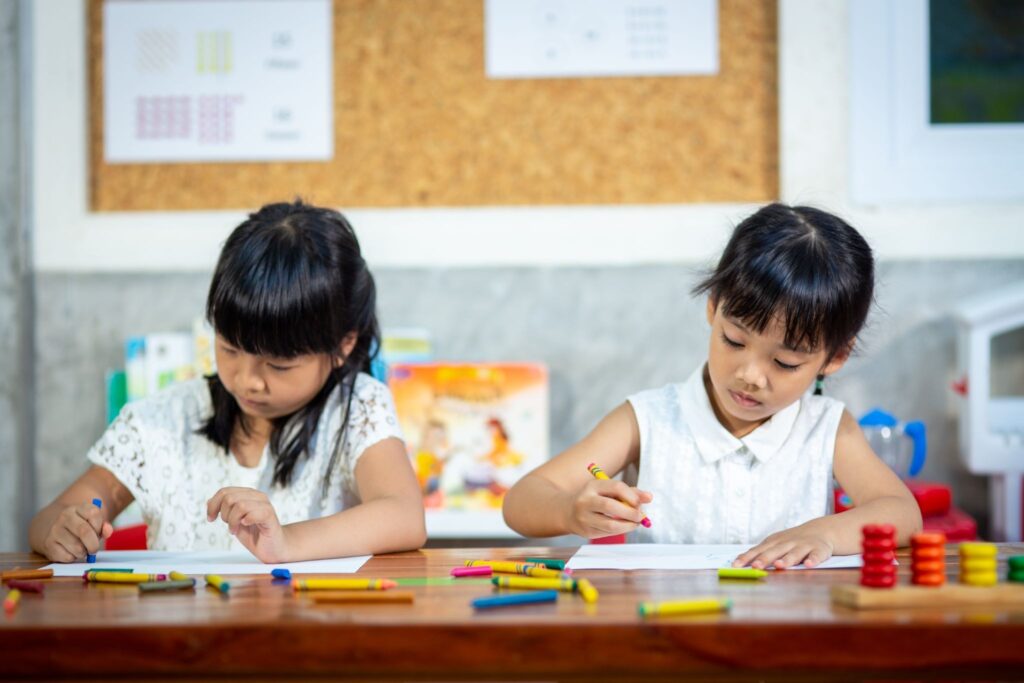
Transitioning to Primary 1 is a monumental milestone for both parents and children, marking the shift from playful early years to a more structured academic environment. Parents often worry about their child’s ability to adapt to new routines, make friends, and handle formal classroom expectations. A high-quality early childhood education bridges this gap by introducing foundational concepts in a supportive setting. Through guided play, structured routines, and targeted learning frameworks, educators cultivate the academic, social, and emotional skills necessary for the primary school journey. This comprehensive approach ensures that young learners do not just survive the jump to primary school, but actively thrive in their new educational landscape.
Building a Foundation in a Singapore preschool
Enrolling your child in a Singapore preschool is the first step toward formal education. The early years serve as a crucial window for cognitive development. When children enter a structured learning environment, they develop foundational skills that can support their later academic learning.
The Nurturing Early Learners (NEL) Framework
The Ministry of Education (MOE) developed the Nurturing Early Learners (NEL) framework specifically to guide early childhood educators. This framework emphasizes holistic development over rote memorization. Teachers focus on six key learning areas: aesthetics and creative expression, discovery of the world, language and literacy, motor skills development, numeracy, and social and emotional development. By exploring these domains through active play, children naturally develop a love for learning. They learn to ask questions, solve problems, and express their thoughts clearly. This curiosity-driven approach aligns perfectly with the demands of the Primary 1 syllabus.
Fostering Literacy and Numeracy Skills
Primary school demands a baseline understanding of language and numbers. Preschools address this by embedding literacy and numeracy into daily activities. Teachers read interactive stories, sing phonetic songs, and use visual aids to help children recognize letters and sounds. Children practice early writing skills by tracing shapes and forming simple words. For numeracy, educators use physical objects like blocks and beads to teach counting, sorting, and basic addition. These hands-on activities make abstract concepts tangible. By the time children graduate from kindergarten, many have foundational vocabulary and numeracy skills that help them transition into the Primary 1 curriculum, though readiness varies by child.
Social and Emotional Readiness for Primary 1
Academic capability represents only one facet of school readiness. Social and emotional maturity plays an equally vital role in a child’s ability to succeed in a larger, more complex school environment.
Independence and Routine Building
Primary schools require increasing levels of independence compared to preschool. Students must manage their own belongings, buy food during recess, and follow a strict timetable. A good Singapore preschool introduces these concepts early. Teachers establish predictable daily routines, guiding children through transitions between activities. Children learn to pack their own bags, tidy up their play areas, and take responsibility for their personal hygiene. This gradual release of responsibility builds self-confidence. When faced with the bustling environment of a primary school canteen or a large classroom, these children rely on the independent habits they formed during their early years.
Navigating Peer Relationships
Classrooms are inherently social spaces. Children must know how to communicate effectively, share resources, and resolve conflicts peacefully. Early childhood centers provide a safe environment for social experimentation. Group projects and collaborative play teach children the value of teamwork and empathy. When disagreements arise over a toy or game, teachers guide children through conflict-resolution strategies. They learn to articulate their feelings using words rather than acting out. These interpersonal skills are essential for forming healthy friendships in primary school and maintaining a positive attitude toward group learning.
Cultivating a Bilingual Advantage
Language acquisition happens most rapidly during the early childhood years. Local education systems strongly emphasize bilingualism, requiring students to study both English and a Mother Tongue language.
Early Exposure to a Second Language
Preschools capitalize on the brain’s plasticity by introducing a second language early. Teachers conduct lessons, sing songs, and play games in both English and the mother tongue languages. This dual-language exposure normalizes the use of different languages in everyday contexts. Children learn to seamlessly switch between languages depending on the situation and the speaker.
Cognitive Benefits of Bilingualism
Beyond communication, bilingual education offers profound cognitive benefits. Research consistently shows that bilingual children exhibit enhanced executive function. They can focus their attention better, multitask more effectively, and demonstrate greater cognitive flexibility. These cognitive advantages may support problem-solving skills and can contribute to academic performance in primary school.
Frequently Asked Questions (FAQ)
Parents frequently ask similar questions when preparing their children for the educational journey ahead. Here are some of the most common inquiries regarding the transition to primary school.
How can I help my child manage first-day anxiety?
Talk openly about what primary school will be like. Visit the school campus together before the term starts, practice the route you will take, and role-play buying food at the canteen. Validate their feelings of nervousness, but maintain a positive and encouraging tone about the exciting new experiences awaiting them.
What should my child know before starting primary school?
Many children entering Primary 1 are able to recognize the alphabet, write their name, count to around twenty, and have some understanding of basic phonics, though expectations vary. Socially, they should be able to listen to instructions, sit quietly for short periods, and ask for help when needed. They should also be able to manage their own toileting needs and handle money to buy food.
Is an expensive enrichment class necessary for P1 preparation?
Not necessarily. A well-rounded Singapore preschool curriculum generally covers all the foundational skills required for the transition. Parents can supplement this learning at home through educational games, reading, and encouraging natural curiosity during everyday activities.
Setting Your Child Up for a Bright Future
The leap from early childhood to formal primary education involves major changes. However, it does not have to be an overwhelming experience. By enrolling your child in a supportive educational environment, you provide them with the tools they need to navigate this new chapter confidently. They will develop foundational literacy and numeracy skills needed for early primary learning, along with social skills that support peer interaction.
Choosing the right educational partner makes all the difference in this journey. Institutions like Lorna Whiston offer specialized programs designed to build confidence, independence, and a genuine love for learning. By prioritizing holistic development and early learning skills, you can help your child transition into Primary 1 with greater confidence and readiness for new challenges. Take the time to research your options, attend school tours, and find a learning environment that aligns perfectly with your child’s unique needs.