
Rental arrangements are common across residential properties, commercial spaces, equipment, vehicles, machinery, and many other assets. Whether the transaction involves a landlord and tenant or a business renting equipment to another company, accurate financial documentation is an important part of maintaining a professional relationship. A rental invoice provides a structured record of charges associated with a rental agreement and helps both parties understand what is owed, when payment is expected, and what services or assets are covered.
Understanding a Rental Invoice
A rental invoice is a financial document issued by a property owner, rental company, equipment provider, vehicle rental business, or another service provider to request payment for a rental transaction.
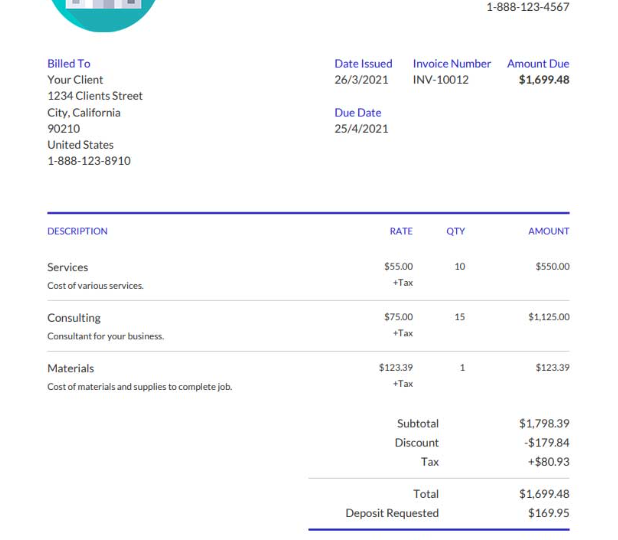
The invoice generally identifies the rented property or asset, rental period, applicable charges, payment terms, and the total amount due. Depending on the nature of the agreement, it may also include deposits, additional services, maintenance fees, taxes, utilities, late charges, or other approved costs.
By presenting this information in a clear format, an invoice creates a useful financial record for both the provider and the customer.
Importance of Clear Rental Documentation
Rental transactions can continue for weeks, months, or even years. Without organized financial documentation, it can become difficult to determine which payments have been made and which amounts remain outstanding.
A properly prepared invoice creates a consistent record for every billing period. This can be particularly valuable for businesses managing multiple properties, tenants, vehicles, or equipment rentals.
For customers, invoices provide a clear explanation of charges and can help them maintain accurate personal or business financial records. For rental providers, they support better accounting and payment tracking.
Essential Information
The information included in a rental invoice depends on the type of rental arrangement, but several details are commonly important. These can include the name and contact information of the rental provider, customer details, invoice number, issue date, rental period, description of the rented asset, applicable charges, taxes, payment terms, and total amount due.
For property rentals, the document may identify the property address, unit number, monthly rent, utilities, maintenance charges, or other agreed expenses.
For equipment or vehicle rentals, the invoice may include an asset description, rental duration, usage-related charges, delivery fees, or additional services.
Clear descriptions reduce confusion and make the financial relationship easier to manage.
Rental Invoices for Property Businesses
Property owners and property management companies frequently rely on invoices to document rental charges. Residential landlords may issue invoices for monthly rent, while commercial property managers may use them for office buildings, retail units, warehouses, and other spaces.
Commercial rental arrangements can involve more complex billing structures. In addition to base rent, tenants may be responsible for service charges, maintenance costs, utilities, parking, taxes, or other contractual expenses.
A detailed invoice allows these charges to be presented separately rather than combining everything into a single unexplained amount. This improves transparency and can make financial reconciliation easier.
Equipment and Vehicle Rentals
Rental invoices are not limited to real estate. Companies that rent construction equipment, machinery, tools, vehicles, technology equipment, or other assets also require effective billing documentation.
For these businesses, rental charges may depend on daily, weekly, or monthly periods. Some agreements may also include mileage, operating hours, delivery, insurance, cleaning, fuel, or damage-related charges.
An organized invoice can distinguish the primary rental cost from additional charges, allowing customers to understand exactly what they are paying for.
Supporting Business Accounting
Invoices play an important role in business accounting. Rental companies need accurate records of revenue, outstanding balances, expenses, and customer transactions.
A consistent invoicing system can help businesses maintain financial records and provide documentation for bookkeeping and tax-related purposes. Businesses can also use invoice information to analyze rental income and identify outstanding payments.
For organizations managing a large number of rental transactions, digital invoicing can make this process considerably more efficient.
Improving Payment Management
Payment delays can create cash-flow problems for rental businesses. Clear invoices can help reduce confusion by stating the amount due and the expected payment date.
Payment terms may specify whether payment is due immediately, within a particular number of days, or according to a recurring schedule. Depending on the business, invoices may also include accepted payment methods and information about late-payment policies.
When customers receive consistent invoices with clear payment information, it becomes easier for them to manage their obligations and for rental providers to monitor outstanding balances.
Professionalism and Customer Relationships
A well-designed invoice contributes to the professional image of a rental business. Customers generally expect financial documents to be accurate, organized, and easy to understand.
Consistent branding, clear descriptions, accurate calculations, and appropriate contact information can create a more professional customer experience. In contrast, poorly organized invoices may create unnecessary questions and reduce confidence in the business.
Professional documentation is especially important for companies working with corporate customers, property managers, contractors, and other organizations that require formal financial records.
Digital Rental Invoicing
Technology has changed the way rental businesses create and manage invoices. Digital invoicing allows documents to be generated, stored, emailed, and organized electronically.
Businesses can use accounting software, invoicing platforms, spreadsheets, or specialized rental-management systems to maintain billing records. Digital systems can also reduce manual calculations and make it easier to search for previous invoices.
For companies managing recurring rentals, automation can further improve efficiency by generating invoices according to established billing schedules.
Recordkeeping and Financial Transparency
Rental invoices can serve as valuable historical records. When a question arises about a previous payment or charge, the relevant invoice can provide information about the original transaction.
Maintaining organized records can also help businesses identify payment patterns, review customer accounts, and prepare financial reports. Customers may similarly retain invoices as evidence of payments and business expenses.
The ability to retrieve accurate documentation can become particularly important when rental agreements involve multiple charges or long-term relationships.
Rental Invoices and Business Growth
As a rental business grows, financial administration can become increasingly complex. A company managing five rental assets may be able to track transactions manually, while a company managing hundreds of assets requires a more structured system.
Standardized invoices provide consistency across transactions. They can also make it easier for employees to understand billing information and maintain customer records.
Businesses researching additional invoicing resources may read more here to explore related information, but any solution should be evaluated according to the organization’s size, transaction volume, accounting requirements, and data-security needs.
Future of Rental Invoicing
The future of rental invoicing is closely connected to broader developments in digital business management. Cloud-based accounting, automated payment processing, electronic records, recurring billing, and integrated rental-management platforms are making financial administration more connected.
Rental businesses can increasingly combine customer information, rental agreements, invoices, payment records, and financial reporting within digital environments. This can improve visibility and reduce administrative work while supporting more consistent customer service.
Conclusion
A rental invoice is more than a simple request for payment. It is an important financial document that supports transparency, accounting, payment management, and professional communication between rental providers and customers.
Whether used for residential property, commercial real estate, vehicles, machinery, equipment, or other rental assets, an organized invoice provides a clear record of the transaction. As rental businesses continue adopting digital tools, accurate and professional invoicing will remain an important part of efficient financial management and long-term customer relationships.