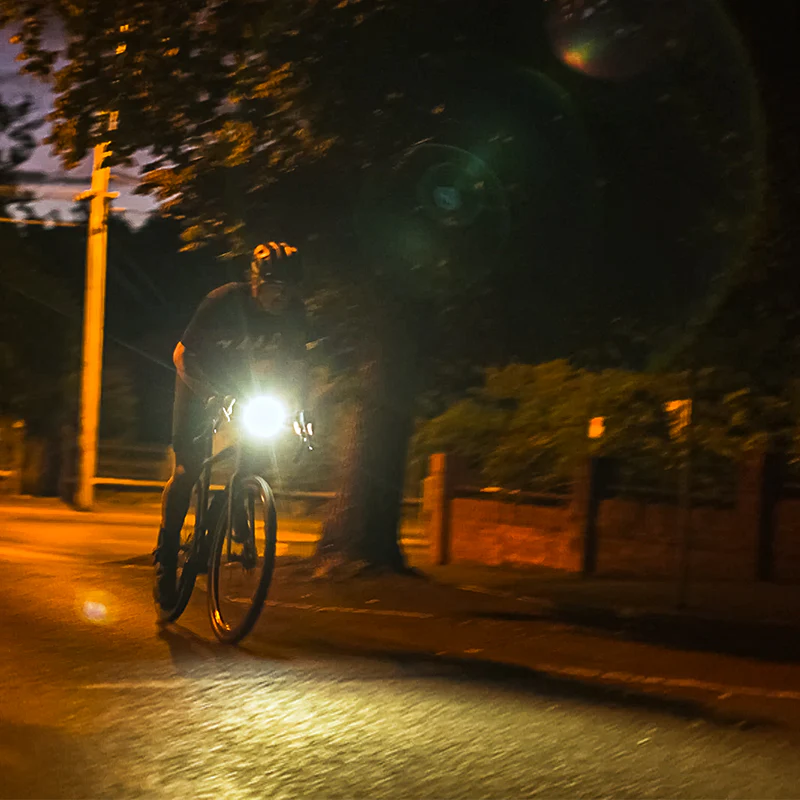
When I first started spending more time on my bike, I focused mostly on the things that seemed obvious. I cared about having a comfortable saddle, reliable tires, and the right clothing for longer rides. However, one important piece of equipment did not receive enough attention from me at the beginning: my bike lighting.
I used to think lights were only necessary when riding at night. Over time, I discovered that a quality front lamp bike setup can make a difference even during early morning rides, cloudy days, and busy road conditions. Visibility is not only about seeing where I am going; it is also about making sure others can see me. After experiencing different riding environments, I realized that a good front light is one of the simplest upgrades that can improve the entire cycling experience.
The Moment I Realized I Needed Better Visibility
My perspective changed during a long morning ride when the weather suddenly became cloudy and visibility dropped. The route I knew well started feeling different because cars, pedestrians, and other cyclists were harder to notice. Although I was riding carefully, I realized that depending only on natural light was not enough. A bicycle is much smaller than a vehicle, which means riders need to take extra steps to improve their presence on the road. That experience encouraged me to look more seriously into cycling accessories that could improve safety without adding unnecessary complexity.
Why a Front Light Matters Even Before Sunset
Many riders associate bike lights only with nighttime cycling, but my experience has shown me that visibility matters throughout the day. A front light can help during early morning commutes, shaded roads, rainy conditions, and areas with heavy traffic. A good light allows me to feel more comfortable because I know I have an extra layer of protection. It helps illuminate the road ahead while also creating a visible signal for people around me.
For road cyclists who often travel at higher speeds, having enough time to react is extremely important. A clear view of the road can make it easier to notice changes in surface conditions, approaching turns, or unexpected obstacles.
What I Consider Before Choosing Cycling Lights
When I started researching different options, I learned that choosing a bike light involves more than selecting the brightest model available. I began paying attention to several important features. The first factor I consider is beam design. A powerful light is useful, but the way that light spreads matters just as much. A focused and controlled beam helps me see clearly without creating unnecessary glare for other people sharing the road.
Battery life is another major consideration. During longer rides, I want equipment that can keep up with my plans. A light that performs well for a short period but loses power quickly does not provide the reliability I need. I also look at durability and ease of use. Cycling equipment often experiences vibration, changing weather, and frequent handling. A well-built light should be simple to install and dependable in different conditions.
How Road Cycling Changed My Lighting Expectations
Road cycling introduced me to a different set of challenges compared to casual neighborhood rides. When I ride on open roads, I often encounter faster-moving traffic, longer distances, and changing environments. This is why choosing suitable road bike lights became an important part of my preparation. Road riders need equipment that supports speed, visibility, and comfort during extended journeys.
I found that a quality lighting system gives me more freedom. Instead of planning every ride around daylight hours, I can enjoy early starts or finish longer routes without constantly worrying about visibility. The right light does not replace safe riding habits, but it works alongside them to create a better overall experience.
Why I Pay Attention to Cycling Brands and Design
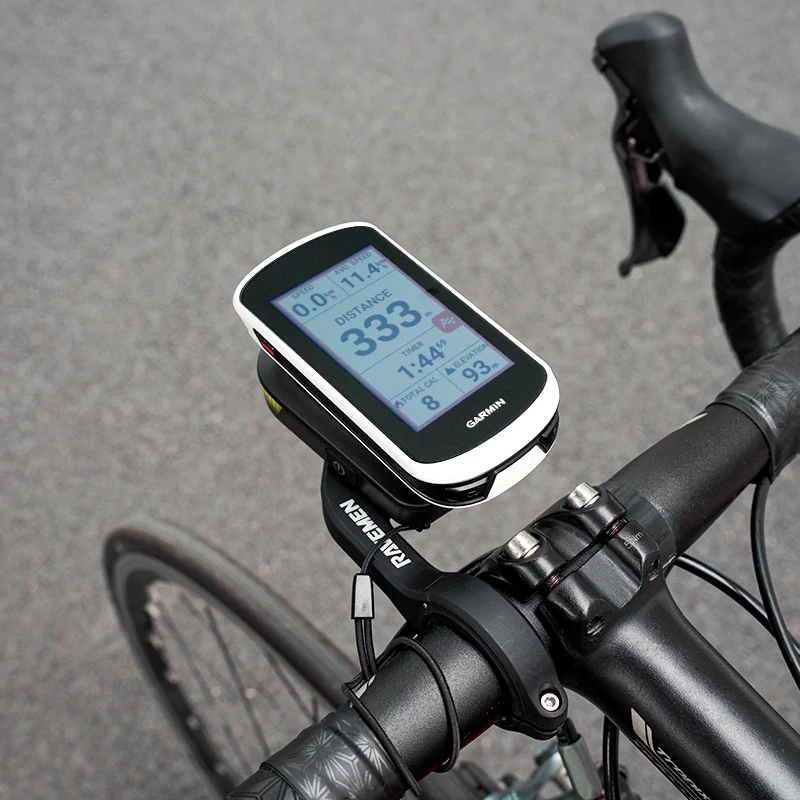
As I explored different lighting options, I started noticing that some brands focus more on rider needs rather than simply creating bright products. Companies like RAVEMEN have built their reputation around bicycle lighting solutions that consider practical cycling situations, including beam control, battery performance, and different riding styles. What stands out to me is the idea that a bike light should support the rider’s journey. Whether someone is commuting, training, or exploring new routes, lighting should feel like a helpful companion rather than just another accessory attached to the bike.
The Confidence That Comes From Being Prepared
One of the biggest changes I noticed after improving my bike lighting was psychological. I felt more comfortable riding in conditions where I previously felt uncertain. Cycling already requires awareness, balance, and decision-making. When I have dependable equipment, such as road bike lights, I can focus more on enjoying the ride instead of constantly thinking about potential problems. A front light may seem like a small investment compared to other bike upgrades, but the impact it has on confidence can be surprisingly significant.
Conclusion
My experience has taught me that good lighting is not just an accessory, it is part of responsible cycling. A reliable front lamp bike option helps improve visibility, supports safer decisions, and makes rides more enjoyable in different conditions. Whether someone rides for fitness, transportation, or adventure, choosing the right lighting setup can create a noticeable difference. After making lighting a priority, I became a more confident rider and started viewing every ride with better preparation.
FAQs
1. Can I use a front bike light during daytime cycling?
Yes. Daytime use can improve visibility, especially on busy roads, during cloudy weather, or when riding in areas where being noticed by others is important.
2. What makes road bike lights different from regular bike lights?
Road bike lights are often designed with longer-distance visibility, efficient battery use, and features that support riders who travel faster or cover longer distances.
3. How often should I charge my bike light?
Charging frequency depends on the light’s battery capacity and usage settings. Regular charging after rides can help ensure the light is ready when needed.
4. Is a brighter bike light always better?
Not necessarily. Brightness is important, but beam control, battery performance, and how the light fits your riding style are equally valuable.
5. Do beginner cyclists need a front bike light?
Yes. Even beginners can benefit from improved visibility and confidence. A quality front light is a practical safety upgrade for almost every type of cyclist.