
The virtual reality entertainment industry continues to expand at an impressive pace, creating exciting investment opportunities for entrepreneurs worldwide. As consumers increasingly seek immersive experiences beyond traditional gaming and entertainment options, VR arcades have emerged as a profitable business model. In 2026, advances in hardware, software, and location-based entertainment technologies are making VR arcades more appealing than ever.
However, before investing in a VR arcade business, entrepreneurs need a clear understanding of startup costs, profit potential, operating expenses, and expected return on investment (ROI). This guide explores everything investors need to know about VR arcade machine price, profit margins, and financial performance to make informed business decisions.
Why VR Arcades Remain a Strong Investment in 2026
Virtual reality has moved beyond being a niche technology. Today, VR experiences attract a wide range of customers, including gamers, families, tourists, corporate groups, students, and technology enthusiasts.
Several factors contribute to the growing popularity of VR arcades:
- Increased consumer interest in immersive entertainment
- Growing demand for multiplayer VR experiences
- Continuous improvements in VR hardware
- Expansion of esports and competitive gaming
- Corporate use of VR for team-building activities
- Limited access to high-end VR setups at home
These market trends create favorable conditions for entrepreneurs looking to invest in a VR arcade business.
Understanding VR Arcade Startup Costs
The total investment required depends on the size of the venue, number of machines, location, and business model. While startup costs vary significantly, understanding the major expense categories helps investors prepare realistic budgets.
VR Equipment Investment
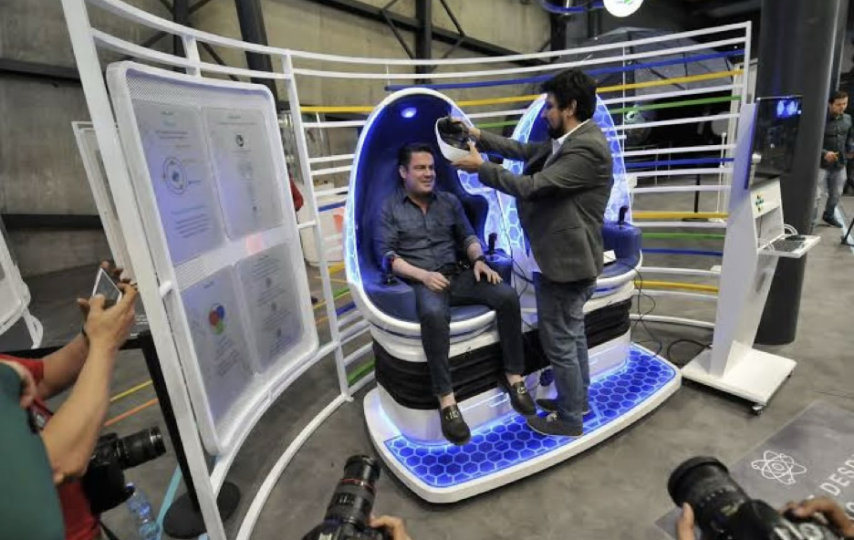
The largest portion of startup expenses typically goes toward purchasing a high-quality VR Arcade Machine setup. Commercial systems are designed for intensive daily usage and often include premium features such as motion platforms, multiplayer capabilities, and advanced tracking technologies.
Equipment costs may include:
- VR headsets
- Gaming computers
- Motion simulators
- Multiplayer VR stations
- Interactive shooting platforms
- Racing simulators
- Software licenses
- Safety equipment
The overall VR arcade machine price can vary widely depending on the technology and complexity of the attraction.
Facility and Interior Costs
Your location significantly affects startup expenses. Investors should budget for:
- Lease deposits
- Monthly rent
- Renovation costs
- Interior design
- Lighting systems
- Security equipment
- Network infrastructure
A professionally designed facility enhances customer experience and supports long-term growth.
Licensing and Business Registration
Additional costs include:
- Business permits
- Commercial insurance
- Operating licenses
- Local regulatory compliance fees
These expenses vary depending on location and business structure.
Factors Affecting VR Arcade Machine Price
One of the most common questions investors ask is how much a commercial VR setup costs. The answer depends on several factors.
Type of Experience
Simple standing VR stations are generally more affordable than advanced motion-based simulators. Racing, flight, and shooting simulators often require additional hardware components that increase costs.
Multiplayer Functionality
Multiplayer systems allow several participants to interact simultaneously, creating a more engaging experience. However, these systems require additional equipment and networking infrastructure.
Motion and Haptic Technology
Premium systems featuring motion platforms, vibration feedback, and immersive environmental effects typically command higher prices but may generate greater customer interest.
Software Ecosystem
The quality and variety of licensed content can also influence overall investment costs. Businesses offering unique and regularly updated experiences often achieve stronger customer retention.
Revenue Streams for VR Arcades
Successful VR arcades rarely rely on a single source of income. Diversifying revenue streams improves profitability and business stability.
Session-Based Gaming
The most common model charges customers based on playtime. Sessions may range from 15 minutes to several hours.
Group Events
Birthday parties, corporate events, school trips, and private bookings often generate higher revenue than individual sessions.
Membership Programs
Monthly memberships provide predictable recurring income while encouraging customer loyalty.
Competitive Tournaments
Hosting VR gaming competitions can attract enthusiasts and generate additional revenue through entry fees and sponsorships.
Merchandise and Accessories
Many operators supplement income through branded merchandise, snacks, beverages, and gaming accessories.
Understanding Profit Margins
Profit margins in the VR arcade industry can be attractive when operations are managed efficiently. Once the initial equipment investment is recovered, ongoing operating costs are generally manageable.
Major recurring expenses include:
- Rent
- Employee wages
- Utility bills
- Equipment maintenance
- Software subscriptions
- Marketing expenses
- Insurance premiums
Many successful operators report healthy margins because digital entertainment experiences can be delivered repeatedly without significant per-customer costs.
The profitability of a VR arcade largely depends on customer volume, pricing strategy, location, and equipment utilization rates.
Calculating Return on Investment (ROI)
ROI is one of the most important metrics for evaluating any business opportunity. In the VR arcade industry, ROI measures how quickly your profits recover your initial investment.
Several factors influence ROI:
Customer Traffic
Higher foot traffic typically leads to faster revenue generation and shorter payback periods.
Pricing Strategy
Finding the right balance between affordability and profitability is essential. Competitive pricing attracts customers while maintaining healthy margins.
Equipment Utilization
Machines that remain active throughout the day generate significantly more revenue than underutilized equipment.
Customer Retention
Repeat customers reduce marketing costs and increase lifetime customer value.
Operational Efficiency
Efficient staffing, scheduling, and maintenance practices contribute directly to profitability.
A well-managed arcade can often achieve a favorable ROI within a few years, depending on market conditions and investment size.
Risk Factors Investors Should Consider
Like any business venture, VR arcades involve certain risks.
Technology Obsolescence
Virtual reality technology evolves rapidly. Investors should select scalable systems that can be upgraded as new innovations emerge.
Market Competition
The entry of new competitors may affect pricing and customer acquisition.
Seasonal Demand
Some locations experience fluctuations in customer traffic throughout the year.
Maintenance Requirements
Commercial equipment requires regular maintenance to ensure safety and reliability.
Developing a long-term business strategy can help mitigate these risks and improve sustainability.
Strategies for Maximizing Profitability
Investors can improve returns through strategic planning and continuous innovation.
Offer Unique Experiences
Exclusive content and immersive attractions help differentiate your business from competitors.
Invest in Quality Equipment
A reliable VR Arcade Machine provides a superior customer experience and reduces downtime.
Focus on Customer Service
Excellent service encourages repeat visits and positive online reviews.
Utilize Digital Marketing
Social media campaigns, local SEO, and influencer partnerships can increase visibility and customer acquisition.
Expand Service Offerings
Adding escape rooms, educational VR programs, and corporate training experiences creates additional revenue opportunities.
Future Outlook for the VR Arcade Industry
Industry experts expect continued growth in location-based virtual reality entertainment throughout 2026 and beyond. Improvements in wireless VR, AI-powered experiences, mixed reality applications, and advanced motion simulation technologies will likely drive further customer demand.
As hardware becomes more sophisticated and content libraries expand, the overall value proposition for consumers continues to strengthen. Businesses that stay current with emerging trends and maintain high-quality experiences will be best positioned for long-term success.
Conclusion
Investing in a VR arcade business in 2026 offers substantial opportunities for entrepreneurs seeking exposure to the rapidly growing immersive entertainment market. Understanding startup expenses, evaluating VR arcade machine price options, and selecting the right VR Arcade Machine solutions are critical steps toward building a profitable operation.
By carefully analyzing costs, maximizing equipment utilization, diversifying revenue streams, and focusing on customer satisfaction, investors can achieve attractive profit margins and strong ROI. As virtual reality technology continues to evolve, well-managed VR arcades are likely to remain a compelling and profitable business opportunity for years to come.