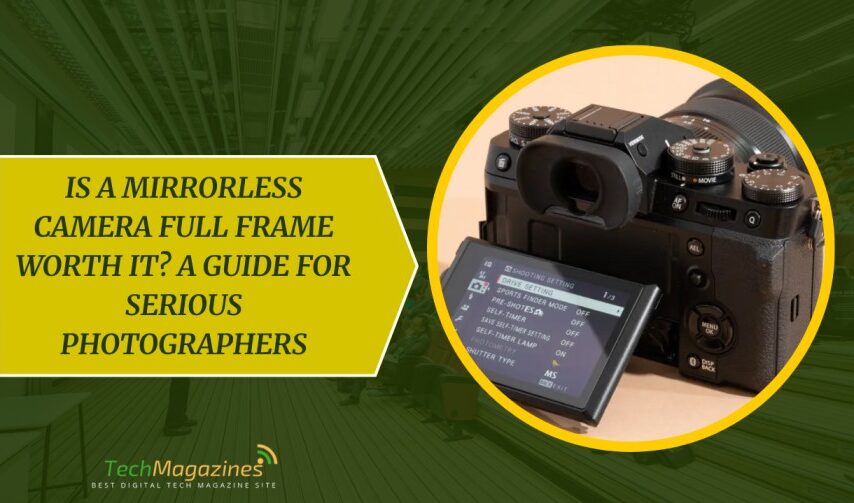

If you’re a photography enthusiast looking to take your craft to the next level, the question inevitably arises: is investing in a full-frame mirrorless camera really worth it?
For many serious shooters, the answer is yes—but it depends on your goals, experience level, and the type of photography you do. Whether you’re a landscape photographer chasing dynamic range or a portrait artist craving shallow depth of field, full-frame mirrorless systems offer unmatched advantages in quality and flexibility.
And if you’re already using or investing in premium Canon lenses, pairing them with a high-performance full-frame body could help you unlock their full potential.
What Makes a Camera Full Frame?
A full-frame sensor measures approximately 36mm x 24mm—the same dimensions as traditional 35mm film. This is larger than the APS-C and Micro Four Thirds sensors found in entry-level and mid-range cameras.
With a full-frame sensor, you get:
- Better image quality, especially in low light
- Wider dynamic range
- Shallower depth of field for background blur (bokeh)
- True focal length with lenses (no crop factor)
For serious photographers, these benefits translate into more creative control and professional-level results.
Why Go Mirrorless?
Mirrorless cameras remove the bulky mirror mechanism found in DSLRs, resulting in:
- Lighter, more compact camera bodies
- Real-time exposure previews via electronic viewfinder (EVF)
- Faster autofocus using phase-detection and contrast detection
- Advanced video capabilities and silent shooting modes
Combining mirrorless technology with a full-frame sensor creates a hybrid powerhouse—ideal for creators who need portability without compromising image quality.
Who Should Consider Full Frame Mirrorless?
1. Portrait Photographers
Full-frame sensors deliver dreamy background blur and exceptional subject separation. Skin tones appear more natural, and the wider dynamic range helps retain detail in both highlights and shadows.
2. Landscape Photographers
With more pixels and better noise control, full-frame mirrorless cameras are perfect for capturing expansive vistas and subtle color gradations, especially during golden hour or low-light conditions.
3. Event and Wedding Photographers
Low-light performance and quick autofocus make full-frame systems a reliable choice for indoor venues and fast-paced environments where you can’t afford to miss the moment.
4. Videographers
Many full-frame mirrorless cameras offer advanced video features like 4K/60fps, 10-bit internal recording, and log profiles. The shallow depth of field also adds cinematic depth to footage.
Key Benefits of Full Frame Mirrorless Cameras
Low-Light Performance
Thanks to the larger sensor size, full-frame cameras capture more light per pixel. This leads to cleaner images at higher ISO settings, making them ideal for night photography, concerts, and dimly lit environments.
Better Lens Compatibility
Full-frame cameras unlock the full potential of professional-grade lenses. For Canon users, this means making the most of high-performance RF glass, or using adapters to continue shooting with classic EF Canon lenses.
Improved Autofocus and Burst Speed
Canon’s full-frame mirrorless range, in particular, features Dual Pixel CMOS AF, fast subject tracking, and eye-detection autofocus—key tools for action and portrait photography alike.
Higher Resolutions and Image Detail
Full-frame sensors often offer 24MP, 30MP, or even 45MP+ resolution options. That extra detail gives you room to crop, print large, or deliver sharper results for commercial work.
Common Concerns: Are They Justified?
Price
Full-frame mirrorless bodies are typically more expensive than crop-sensor counterparts. However, the price is justified by the quality, versatility, and long-term value—especially for professionals or aspiring pros.
Size and Weight
While full-frame DSLRs can be heavy, mirrorless models are often surprisingly compact. Paired with a versatile lens, they can serve as the perfect travel or all-day shooting companion.
Learning Curve
If you’re upgrading from a smartphone or compact camera, full-frame systems offer more control—which can feel overwhelming. But for photographers ready to grow, that control becomes empowering.
The Canon EOS R System: A Strong Contender
If you’re leaning toward full-frame, the Canon mirrorless camera full frame lineup deserves serious attention. With models like the Canon EOS R, R6, and R5, this system balances performance with innovation.
You’ll get:
- Exceptional image and video quality
- Seamless integration with Canon’s lens ecosystem
- Advanced autofocus and in-body stabilisation
- Intuitive touchscreen and robust weather sealing
Whether you’re upgrading from an APS-C camera or building your first full-frame kit, Canon’s mirrorless range offers future-proof tools designed for ambitious creators.
Final Thoughts
If photography is more than a passing hobby and you’re ready to level up, a full-frame mirrorless camera is a smart, long-term investment. With better image quality, dynamic range, and creative control, it empowers you to shoot more confidently in any scenario.
And with Diamonds Camera offering top-tier support and access to the best gear, making the switch to full frame has never been more worthwhile.