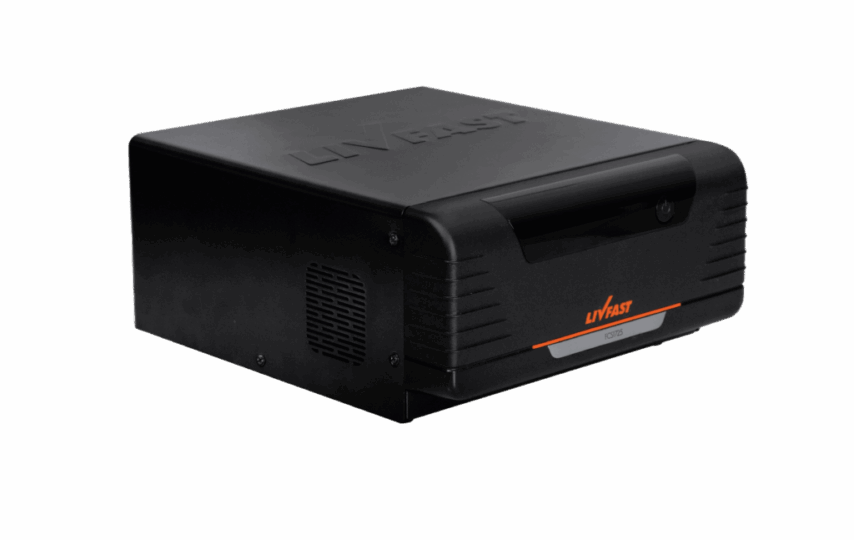

You’re busy playing Counter-Strike with the boys, you’re locked in on the enemy, about to take a headshot, when suddenly the light goes off! You have now lost all progress, and your squad loses the game because of this. Sounds frustrating, doesn’t it? Well, it can happen if you don’t have an inverter in your home.
An inverter is probably the best bet you have against uninvited power cuts, but when picking an inverter for the home, most people make the wrong choices. They either pick a too strong or too weak inverter, or they pick a brand that isn’t credible and end up damaging their entire electrical circuit.
How do you choose a good inverter for your home? In this article, we’re going to dive into everything there is to know about buying an inverter for home.
Assess Your Power Requirements
First, you need to understand how much power you actually need, and the best way to do that is by calculating the total wattage of all your appliances. Once you’re done with that, you’re going to pick an inverter that matches that number. A pro tip to save some money here is to add only the appliances that are absolutely crucial and consume less power, so that you can last longer. Here is a table listing appliance wattages for your reference.
| Appliances/Fixtures | Power Rating (in watts) |
| Incandescent Lamp | 40 – 150 |
| LED Bulb | 4 – 25 |
| LED Tube Light | 8 – 36 |
| Fluorescent Tube Light | 18 – 60 |
| Table Fan | 30 – 70 |
| Induction Motor Ceiling Fan | 60 – 80 |
| Cooler | 100 – 500 |
| AC (1 Ton) | 3,517 |
| Refrigerator | 150 – 400 |
| Computer | 100 – 250 |
| TV | 60 – 120 |
| Smartphone Charger | 4 – 7 |
| Space Heater | 1,000 and up |
| Washing Machine | 300 – 500 |
| Microwave | 700 – 1,400 |
| Coffee Maker | 800 |
| Toaster Oven | 1,400 |
| Blow Dryer | 300 – 1,200 |
Types of Inverters Available
Now that you’re aware of how to calculate your power needs, it’s time to take a look at what type of inverter to buy. There are 3 types of Inverters in the market. They are:
Square Wave Inverter
The square wave inverter is one of the few types of inverters. It makes a rectangular wave AC output, as the name suggests. These inverters are cheap, powerful, and easy to set up, but they are no longer good for many packages since they include harmonics that can damage sensitive electronics.
How it works: Square wave inverters work by turning the direct current (DC) input into a series of square pulses, which makes an output waveform that looks like a rectangular wave. These inverters are easy to use and don’t cost much, but their output waveform might not be as good as that of modified sine wave or pure sine wave inverters.
Modified Sine Wave Inverter
Modified sine wave inverters make a waveform that looks like a sine wave, which solves some of the problems of square wave inverters. This type works even better with electronic equipment, giving them a smoother flow of electricity. However, modified sine wave inverters may still cause problems with some devices, especially those with sensitive parts.
How it works: Modified sine wave inverters are meant to create an AC output waveform that looks like a sine wave but has a different shape. This changed waveform is made by a series of steps that involve pulse width modulation (PWM) and filtering.
Pure Sine Wave Inverters
Pure sine wave inverters are the best in the business because they create an AC waveform that is smooth and easy to use, just like energy from a computer. These inverters are flexible and can power a lot of different things. They are great for sensitive electronics like medical devices, audio systems, and cars that can change speed.
Must Have Features for an Inverter
There are some features that you should definitely look for when it comes to buying an inverter for home. The table below explains it perfectly.
| Feature | Description |
| Digital Display | Shows battery status, load percentage, and estimated backup time. |
| Smart Charging | Automatically adjusts charging rate based on battery condition and input voltage. |
| Overload Protection | Prevents inverter and appliance damage when the load exceeds safe limits. |
| Low Harmonic Distortion | Provides noiseless operation and protects sensitive electronic devices. |
| Energy Efficiency Mode | Minimises power consumption for improved energy savings. |
| Wi-Fi/App Connectivity | Allows remote monitoring and control of the inverter via smartphone apps. |
| Fast Charging Capability | Enables quick battery recovery after a power outage. |
| Bypass Switch | Ensures uninterrupted power supply during inverter maintenance or repair. |
Conclusion
There are many factors when it comes to choosing an inverter for the home. If you keep these factors in mind, not only will you choose the best inverter for your home, but you will safeguard yourself during power cuts as well. In today’s day and age, an inverter isn’t a luxury but a necessity, so choose wisely.