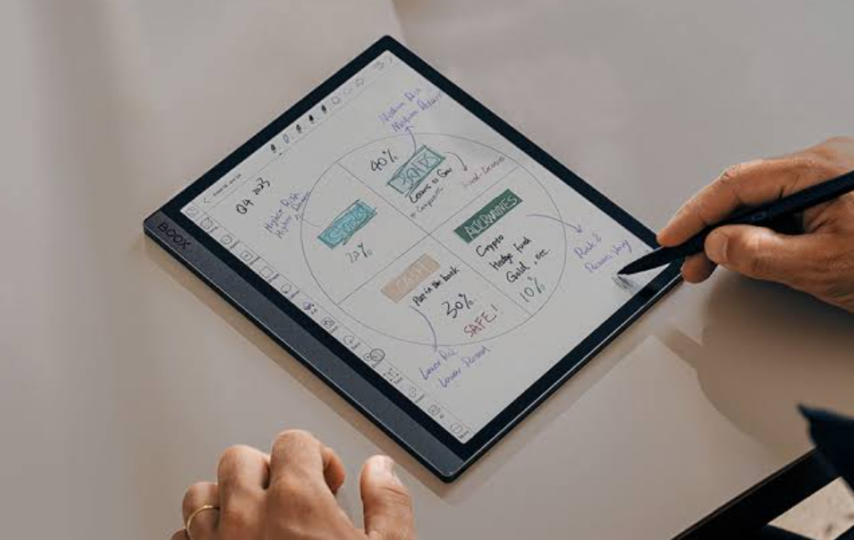

The Magic Behind the Screen: How E-Ink Works
When we discuss the world of digital reading, the conversation inevitably leads to the revolutionary technology known as Electronic Ink, or E-Ink. Unlike the Liquid Crystal Displays (LCD) or Organic Light Emitting Diodes (OLED) found in smartphones and tablets, E-Ink is a reflective display. It consists of millions of tiny microcapsules, each about the diameter of a human hair. These capsules contain positively charged white particles and negatively charged black particles suspended in a clear fluid. When a specific electric field is applied, the desired particles move to the top of the microcapsule, making them visible to the reader. This process creates a visual experience that is nearly identical to ink on paper.
The primary advantage of this technology is that it does not require a backlight to be visible. Instead, it reflects ambient light from the environment, just like a traditional book. This is why Compact E-Readers are so highly valued by those who suffer from digital eye strain. In 2026, the latest generation of E-Ink screens, such as Carta 1300 and Kaleido 3, will offer even faster refresh rates and higher contrast, making the transition from paper to digital more seamless than ever.
Why Compact Size is the Perfect Form Factor
A compact E-Reader, typically featuring a screen size between 6 and 7 inches, is designed with one goal in mind: ultimate portability. In a world where we are constantly on the move, having a library of thousands of books in a device that fits into a jacket pocket is a game-changer. At Einktab, we see a growing trend toward these smaller devices among commuters, travellers, and students. A 6-inch screen provides enough real estate for comfortable reading while maintaining a weight that is often lighter than a single mass-market paperback.
The ergonomics of compact devices cannot be overstated. Reading for hours on a heavy tablet can lead to wrist fatigue, but a compact E-Reader is designed for one-handed use. Modern designs often include physical page-turn buttons and asymmetric grips, allowing you to hold the device securely while standing on a crowded train or relaxing in a cafe. By visiting Einktab, you can explore a curated selection of devices that prioritise this balance of performance and portability.
Battery Life: The E-Ink Advantage
One of the most significant “pain points” of modern technology is the constant need for charging. Smartphones rarely last more than a day of heavy use. E-Ink technology changes this dynamic entirely. Because E-Ink is bistable, the screen only consumes power when the image changes – meaning, when you turn a page. Once the “ink” is set on the screen, it stays there without using a single milliamp of electricity. This is why compact devices can last for weeks, or even months, on a single charge. For the minimalist traveller, this means one less cable to carry and the peace of mind that your book will always be ready when you are.
Eye Health and the War on Blue Light
As our lives become increasingly digitized, the medical community has raised alarms about the impact of blue light on our circadian rhythms and overall eye health. Traditional screens emit light directly into the eyes, which can suppress melatonin production and lead to insomnia.Compact E-Readers solve this by using front-light technology. Instead of shining light at you, tiny LEDs are placed along the sides of the screen, shining light across a light-guide layer. This illuminates the page without the harsh glare of a backlit monitor. In 2026, most devices also feature “warm light” filters, allowing you to shift the screen temperature from cool white to soft amber, which is much gentler on the eyes during nighttime reading sessions.
The Role of Software and Ecosystems
While the hardware is essential, the software ecosystem of a compact device defines the user experience. Modern E-Readers are no longer just “book displays.” They are sophisticated tools that allow for cloud synchronization, dictionary lookups, and even integration with library apps like Libby or Hoopla. This connectivity ensures that your library is always up to date across all your devices. At Einktab, we focus on devices that offer open or flexible operating systems, giving readers the freedom to choose where they buy their content rather than being locked into a single proprietary store.
Conclusion
The compact E-Reader is the ultimate tool for the modern bibliophile. It combines the ancient comfort of ink on paper with the futuristic convenience of digital storage and long battery life. As E-Ink technology continues to advance, providing better color reproduction and faster response times, the gap between digital and physical reading continues to shrink. Whether you are a professional researcher or a casual reader, investing in a compact device is an investment in your eyes and your love for literature.