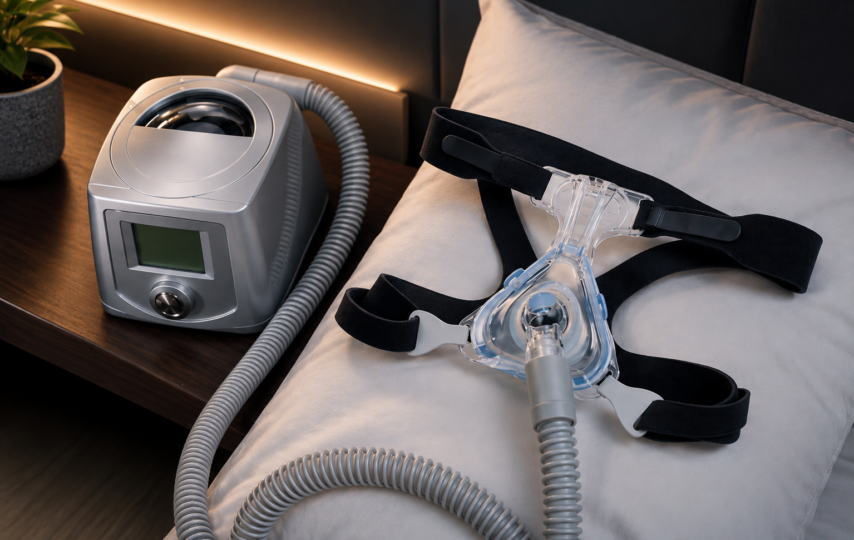

CPAP Machine Recycling is the responsible way to retire sleep apnea equipment that has reached the end of its useful life, and it matters more than most people realize. These devices look small and unassuming, but inside every unit is a mix of electronics, plastics, batteries, and data storage that should never end up in a landfill. Whether you are an individual replacing a personal device or a sleep clinic managing equipment turnover, understanding how to recycle a CPAP machine the right way protects the environment, your data, and your peace of mind.
Why CPAP Machine Recycling Matters
Every CPAP unit contains a small electric motor, a circuit board, a display screen, and often a power supply that qualifies it as electronic waste under most state and federal guidelines. When these devices are tossed in regular trash, the metals and plastics inside contribute to environmental contamination, and the electronic components miss the chance to be recovered and reused.
The volume of discarded sleep apnea equipment is growing steadily. Millions of Americans rely on these devices for daily breathing support, and most machines have a recommended lifespan of around five years. That turnover creates a continuous stream of retired units that need proper handling. CPAP device recycling closes that loop by routing materials through licensed channels rather than overflowing waste streams.
Beyond the environmental angle, there is a practical reason to recycle CPAP machines properly. Many units record sleep data on internal memory or removable cards, and newer models transmit information wirelessly through cellular modems. Discarding a device without addressing that data creates an unnecessary privacy risk that is easy to avoid with the right disposal process.
What Is Inside a CPAP Machine
Knowing what makes up a CPAP unit clarifies why these devices belong in the electronics recycling stream rather than household trash.
Electronic Components and Circuit Boards
The heart of any CPAP machine is its circuit board, which controls pressure regulation, timing, humidification, and display functions. These boards contain copper, gold, aluminum, and trace amounts of heavy metals that can be recovered through proper processing. When you recycle CPAP machine equipment through licensed channels, those materials get separated, refined, and returned to manufacturing supply chains rather than wasted.
Motors, Humidifiers, and Power Systems
The internal blower motor and the heating element in the humidifier base are both metal-heavy components that respond well to recycling. Power supplies and adapters add another layer of recoverable copper and steel. None of these parts should go to landfill when they can be reclaimed and put back into circulation.
Batteries in Travel and Backup Models
Many travel CPAP units and backup power accessories include lithium-ion batteries. These batteries pose a real fire risk when crushed inside garbage trucks or compactors, and they require specialized handling to be recycled safely. CPAP electronics recycling separates batteries from the main unit and routes them through dedicated battery recycling streams.
Data Storage and Cellular Modems
Modern sleep apnea machines often include SD cards that log nightly usage data, leak rates, pressure events, and other patient information. Higher-end units also include cellular modems that send data to clinicians or insurance providers. Both of these elements need attention before old CPAP disposal so that personal health information is not left behind on a discarded device.
The Data Security Side of CPAP Disposal
This is the part most people overlook. A used sleep apnea machine often holds months or years of patient data, and that data falls under privacy considerations that apply to any connected medical device. For individuals, this means removing or destroying the SD card before recycling. For clinics, durable medical equipment providers, and hospitals, the stakes are higher because HIPAA compliance enters the picture.
Sleep apnea machine recycling done correctly includes secure data destruction. A licensed electronics recycler can wipe or physically destroy memory components and provide documentation confirming the data is unrecoverable. That paper trail matters during audits and is a standard expectation in any healthcare setting that retires connected medical equipment.
Disposal Options for Old CPAP Machines
There are several legitimate paths for retiring a sleep apnea machine, and the right option depends on the condition of the device, the volume of equipment, and whether data destruction is required.
Working With a Licensed Electronics Recycler
This is the most reliable option for CPAP Machine Recycling, especially when batteries or stored data are involved. A licensed recycler accepts the full device, separates the components, recovers reusable materials, and documents the entire process. For households with one or two units and for clinics retiring large volumes, this route handles everything from logistics to final material recovery. EACR Inc. provides licensed electronics recycling services that cover CPAP units, batteries, and similar small medical electronics under a zero-landfill policy.
Manufacturer Take-Back Programs
Some manufacturers offer return programs for retired equipment, though availability varies by brand and region. These programs are worth checking when a unit is still under warranty or when the manufacturer has a documented recycling pathway. They do not always cover accessories, batteries, or older models, so they work best alongside other options rather than as a standalone solution.
Donation Considerations for Working Units
Functional, recent-model CPAP machines can sometimes be donated to nonprofit medical equipment organizations that serve uninsured patients or international clinics. Donation only makes sense when the unit is clean, has been properly sanitized, falls within an acceptable age range, and includes original accessories. Older units with humidifier mold, worn motors, or outdated firmware are not suitable for donation and should go directly to BiPAP and CPAP recycling channels.
Local E-Waste Collection Events
Many municipalities host periodic electronics recycling drop-off events that accept small medical electronics including CPAP units. Acceptance policies vary, so it pays to confirm in advance whether the event handles devices with batteries and stored data. These events are convenient for individuals but rarely the right fit for bulk clinic retirements.
How Businesses and Clinics Should Handle CPAP Recycling
Sleep clinics, durable medical equipment suppliers, and hospitals manage a steady flow of retired CPAP units, and the recycling process needs to match that volume. Where to recycle a CPAP machine becomes a logistics question as much as an environmental one when dozens or hundreds of units are involved. Scheduled pickups, bulk container service, and documented chain-of-custody reporting are the standard expectations for any organization handling patient devices.
A licensed electronics recycler with experience in medical equipment can provide pickup logistics, secure transport, on-site or off-site data destruction, and a Certificate of Recycling that documents the weight of materials processed. For clinics, this paperwork supports compliance reporting and demonstrates environmental responsibility to patients and partners alike.
Recycle Your CPAP Machine the Right Way
CPAP Machine Recycling is a small but meaningful step toward responsible electronics disposal and patient data protection. Whether you are retiring a single device or planning recurring pickups for a clinic, working with a licensed electronics recycler is the cleanest, safest, and most accountable way to handle it. EACR Inc. accepts CPAP units, batteries, and related medical electronics, with full data destruction documentation and a zero-landfill commitment built into every project. Recycle CPAP machine equipment the right way, and you keep harmful materials out of landfills, protect sensitive information, and contribute to a circular electronics economy that benefits everyone.