We’ve all been there — halfway through an epic movie marathon, shifting uncomfortably on the couch, stacking pillows behind our backs, and wondering why home entertainment still means sacrificing comfort. Traditional sofas and standard recliners simply weren’t designed for extended viewing sessions, leaving you with stiff necks, aching lower backs, and the nagging urge to pause the film just to stand up and stretch. Zero Gravity Power Recliners are changing that equation entirely. These innovative seats draw from NASA-inspired positioning technology and pair it with luxury materials and smart features to create the ultimate home theater experience. By evenly distributing your body weight and reducing spinal pressure, they solve the fundamental problem of prolonged sitting discomfort while adding a sophisticated aesthetic to your entertainment space. Whether you’re a dedicated cinephile, a gaming enthusiast, or simply someone who values relaxation after a long day, understanding what these recliners offer — and how to choose the right one — can transform your living room into a true personal cinema.
What is a Zero Gravity Power Recliner? Unpacking the Technology
A Zero Gravity Power Recliner positions your body so that your legs elevate slightly above your heart while your torso reclines at approximately 120 degrees — mimicking the neutral body posture astronauts assume during liftoff to distribute gravitational force evenly. In this position, your spine experiences minimal compression, and your muscles can fully release tension because no single point bears disproportionate weight. The “power” component refers to the electric recliner sofa mechanism: quiet, precision-engineered motors controlled by buttons or remote allow you to glide smoothly into the zero-gravity position without manual effort, stopping at any angle that feels right. Unlike traditional recliners that rely on springs and lever mechanisms with limited positions, electric systems offer infinite adjustability and consistent support throughout the range of motion. Originally developed for medical and rehabilitation settings — where reducing spinal load and improving circulation were clinical priorities — these recliners have evolved significantly over the past decade. Manufacturers recognized that the same pressure-relieving technology benefiting patients could dramatically improve everyday relaxation, leading to refined designs purpose-built for home theaters, living rooms, and entertainment spaces where prolonged sitting is the norm rather than the exception.
Top Benefits of Zero Gravity Recliners for Enhanced Home Theater Experience
The moment you settle into a Zero Gravity Recliner and activate the recline function, the difference becomes immediately apparent. Your body weight disperses across the entire surface rather than concentrating on your lower back and tailbone — the typical pressure points that make standard seating unbearable after the first hour. This redistribution does more than just feel pleasant; it actively improves blood circulation by elevating your legs above heart level, reducing swelling in your feet and ankles that often accompanies long sedentary periods. For home theater enthusiasts, this translates directly into deeper immersion. When your body isn’t sending distress signals, your mind stays fully engaged with the story unfolding on screen. You stop fidgeting, stop pausing for stretch breaks, and genuinely lose yourself in the experience the way a darkened cinema intends. Beyond the ergonomic advantages, these recliners serve as striking design statements. Contemporary models feature sleek silhouettes, premium stitching details, and color options that complement modern interiors rather than clashing with them — addressing a long-standing complaint that functional furniture must look clinical or bulky.
Solution for Long-Lasting Comfort
Achieving optimal comfort requires more than simply pressing a button. Start by experimenting with your recline angle during different activities — a slightly more upright position around 130 degrees works well for active viewing with snacks, while the full zero-gravity position at 120 degrees suits passive, relaxed watching. Adjust your headrest so your neck maintains a neutral curve with your eyes naturally directed toward the screen without tilting your head forward. If your recliner offers lumbar support adjustments, increase the firmness during the first thirty minutes of a session when your muscles are still engaged, then soften it as your body relaxes into the seat. Many users find that combining the zero-gravity position with a lightweight blanket creates gentle compression that enhances the sensation of weightlessness. Over time, you’ll develop a personalized configuration that eliminates fatigue entirely, making three-hour films feel effortless on your body.
Key Features to Look for in an Electric Recliner Sofa
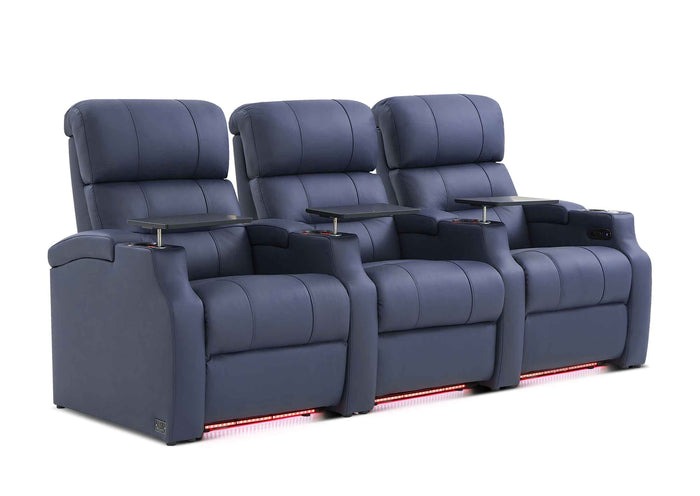
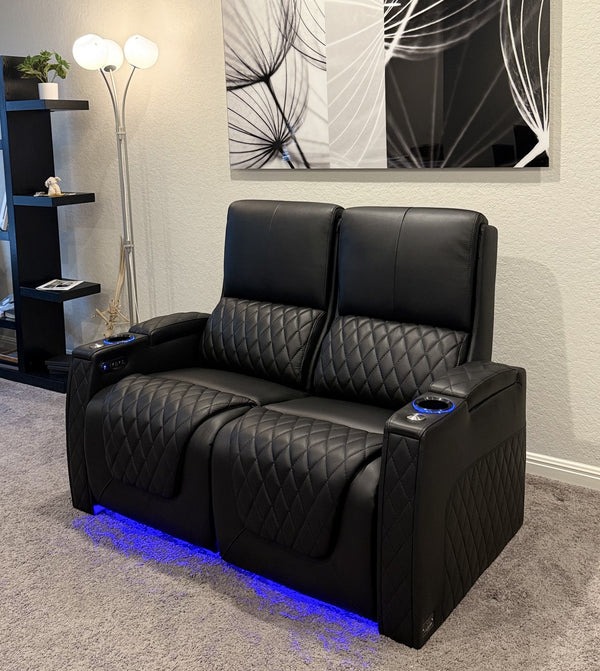
Not all electric recliner sofas are created equal, and the features that separate a good home theater seat from a great one often come down to engineering details you might overlook in a showroom. Motor quality matters enormously — look for dual-motor systems that allow independent control of the backrest and footrest, giving you far more positioning flexibility than single-motor designs that lock both movements together. The upholstery material shapes both your daily experience and long-term satisfaction: top-grain leather breathes well and develops character over years of use, while high-performance technical fabrics offer stain resistance and a softer initial feel that families with children often prefer. Built-in amenities have become increasingly sophisticated in home theater seating — USB charging ports keep devices powered during marathons, integrated LED lighting along the base creates ambient atmosphere, and hidden storage compartments or swivel tray tables keep remotes and snacks within arm’s reach without cluttering your space. Furniture specialists like Weilianda have contributed to advancing these ergonomic features, with memory foam layered over high-resilience base foam, adjustable headrests that tilt independently, and lumbar zones with variable firmness settings that adapt to different body types and preferences throughout your household.
Prioritizing Style and Functionality
Balancing aesthetics with practicality starts with your room’s specific constraints. Measure your available floor space carefully, accounting for the full recline extension — most zero gravity models need eight to twelve inches of clearance behind them, though wall-hugger designs reduce this to as little as three inches from the wall. Match your recliner’s visual language to your existing décor by considering frame profiles and color tones; a low-profile modern silhouette in charcoal or cognac integrates seamlessly into contemporary spaces, while broader rolled-arm designs suit transitional rooms. Think about the recliner as part of a system rather than an isolated piece — coordinate your selection with your screen height, viewing distance, and room lighting so the seat positions your eyes at the optimal angle without requiring additional adjustments. If you’re furnishing a dedicated theater room with multiple seats, ensure the models you choose offer modular configurations or consistent armrest heights that create a unified row appearance rather than a mismatched collection of individual chairs.
How to Choose the Right Home Theater Seating: A Step-by-Step Guide
Selecting the perfect Zero Gravity Power Recliner for your space requires a systematic approach that accounts for your room, your habits, and your household’s needs. Begin with a thorough room layout assessment — map your viewing distance from the screen, identify power outlet locations for the electric recliner sofa motors, and determine whether you need a single statement piece or a multi-seat arrangement. Next, establish a realistic budget that factors in longevity; a well-built recliner with quality motors and durable upholstery will serve you for a decade or more, making it a worthwhile investment over cheaper alternatives that degrade within a few years. Before committing, test comfort levels in person whenever possible — sit in the zero-gravity position for at least ten minutes to evaluate how the padding, headrest angle, and lumbar support feel once your body settles. Compare brands by examining warranty coverage on motors and frames, reading owner reviews focused on long-term durability rather than first impressions, and checking whether replacement parts are readily available. Finally, consider how your chosen recliner integrates with your existing setup — ensure armrest heights align with side tables, confirm that the reclined position still offers an unobstructed sightline to your screen, and verify that the upholstery color and texture complement your current furnishings rather than demanding a complete room redesign.
Integrating Advanced Ergonomics into Your Living Space
Once your Zero Gravity Power Recliner arrives, thoughtful integration ensures you preserve its ergonomic benefits for years to come. Placement deserves careful attention — position the recliner so your sightline hits the center or upper third of your screen when fully reclined, and keep it away from direct sunlight or heating vents that can degrade upholstery and dry out leather over time. Pair your recliner with complementary home theater elements that reinforce the ergonomic experience: a dimmable bias light behind your screen reduces eye strain, acoustic panels improve sound clarity so you’re not craning forward to hear dialogue, and a small side table at the correct height prevents awkward reaching that disrupts your neutral spine alignment. Maintenance plays a crucial role in long-term comfort — condition leather surfaces quarterly, vacuum fabric models to prevent debris from compressing foam layers, and periodically check motor connections to ensure smooth, responsive adjustments. Consider the recliner’s relationship with your room’s temperature and airflow, since breathable materials perform best in well-ventilated spaces. By treating your Zero Gravity Recliner as the centerpiece of an intentionally designed environment rather than a standalone purchase, you create a home entertainment space where advanced ergonomics and immersive viewing work together seamlessly, delivering consistent comfort session after session without degradation in support or experience quality.
Transform Your Home Theater with the Right Recliner
Zero Gravity Power Recliners represent a genuine shift in how we think about home theater seating — moving beyond passive furniture into purposefully engineered comfort systems that keep your body relaxed and your attention locked on the screen. From NASA-inspired positioning that relieves spinal pressure and boosts circulation to whisper-quiet electric motors offering infinite adjustability, these recliners address every frustration that traditional seating creates during extended viewing sessions. They also prove that functional furniture no longer requires aesthetic compromise, with contemporary designs that enhance living spaces rather than dominating them. Choosing the right model comes down to understanding your room, prioritizing build quality and ergonomic features, and integrating the recliner thoughtfully into your existing setup so that every element — from screen angle to ambient lighting — works in harmony. If you’ve been tolerating discomfort as an unavoidable part of movie nights, now is the time to reconsider what your home entertainment space can actually deliver. As smart home technology and material science continue advancing, the recliners of tomorrow will only grow more intuitive and immersive — but the foundation for a truly elevated experience is already here, waiting for you to settle in and press play.