
Most wallets do the same basic job. They hold your cards, carry a little cash, and sit in your pocket every day. The difference only shows up after a few months of real use.
A wallet that looked great on day one starts showing loose stitching, stretched card slots, or just too much bulk. That is usually the point where people start looking for something better, a premium wallet that actually holds up.
The best premium wallets are not just about price. They stand out because they fix real everyday problems through better materials, smarter layouts, stronger security, and a user experience that makes your daily carry feel effortless.
Premium Materials That Age Well
The first thing you notice about a well-made wallet is how it feels. Not how it looks in a photo, but how it actually feels in your hand. Quality materials have a weight and texture to them that cheap alternatives just cannot fake.
Top-grain leather is a popular choice for good reason. It looks refined from day one, but the real story starts after months of use. Quality leather does not just hold up — it develops character. The more you carry it, the better it tends to look.
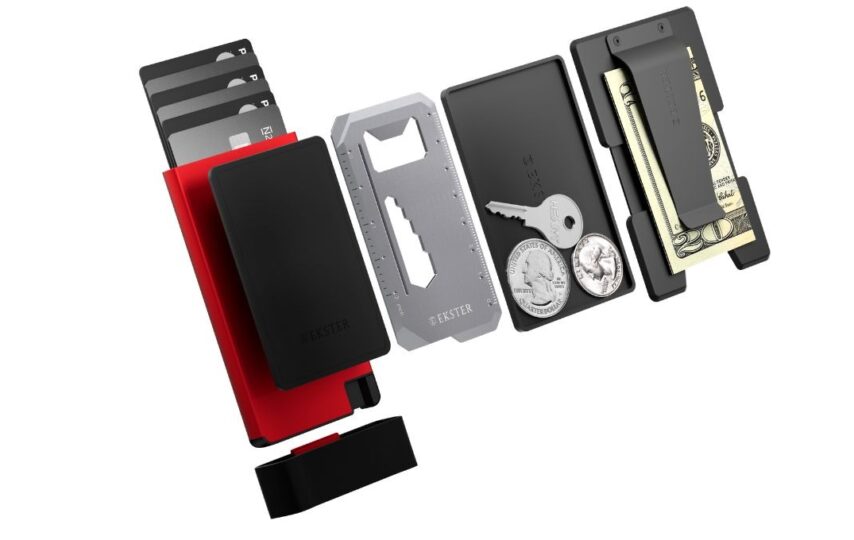
A lot of modern premium wallets also pair leather with lightweight aluminum. The combination keeps things slim while adding real structural strength where the wallet needs it most, around the card slots and edges.
If you have ever replaced a falling-apart wallet after a year and a half, you already know why material quality matters. You buy once and carry for years.
Slim Design Without the Bulk
A thick wallet is one of those daily frustrations that builds up slowly. The pocket bulge, the discomfort when sitting, and the fact that half of what is in there you have not touched in months. It adds up.
A slim premium wallet fixes this by making the layout work harder. Smart internal organization means you can carry multiple cards and folded cash without the wallet turning into a brick.
Some slim designs comfortably hold up to a dozen cards while staying genuinely thin. Not ‘thin for a wallet with twelve cards,’ just thin. The goal is not to force you to carry less. It is to carry what you actually need without the unnecessary bulk that comes with a poorly designed wallet.
Fast Access to Your Most-Used Cards
Standing at a checkout counter while hunting through card slots is a small annoyance that happens multiple times a day. It does not sound like much, but it gets old fast.
Quick-access card systems solve this in a simple way. Instead of stacking every card flat and making you pull them out one by one, a well-designed cardholder lets you fan your cards out with a single press. Your most-used cards are right there. No digging, no bending, no delay.
For anyone who pays by card regularly, uses transit passes, or needs to show ID often, this is the kind of feature that changes how you interact with your wallet every single day. Once you use it, going back to a standard card slot feels oddly clunky.
Built-In Protection for Everyday Security
Contactless cards are convenient. But the same technology that makes tap-to-pay possible also makes your card data readable by anyone with the right scanner from a short distance, without you knowing.
RFID-blocking is the feature that closes that gap. It is built into the lining or casing of the wallet and works passively — no setup, no settings, nothing to turn on. Your card information is shielded from unauthorized scans every time your wallet is closed.
It is one of those features you never think about on a normal day. But for frequent travelers, daily commuters, or anyone carrying multiple contactless cards, having it built into your premium wallet means one less thing to worry about.
Tracking Features That Help Prevent Loss
Losing a wallet is not just annoying; it can turn into a half-day problem. Cancelling cards, calling banks, and dealing with ID replacements. Nobody has time for that.
Tracker compatibility has become a genuinely useful feature in the premium wallet space. Slim tracker cards fit inside a standard card slot without adding noticeable bulk. Connect one to your phone, and you can pinpoint your wallet’s location, make it ring remotely, or get an alert the moment it leaves your side.
For travelers, especially, this is not a luxury feature; it is peace of mind that costs almost nothing to add. Knowing exactly where your wallet is, even when you are not sure, takes a specific kind of daily stress completely off the table.
The Hidden Factor Behind a Long-Lasting Premium Wallet
A premium wallet is more than its materials. The way it is put together matters just as much, sometimes more.
Good stitching, clean edge finishing, solid hardware, and card slots that stay firm after daily use are all signs of a wallet built with real attention to detail. These are the things you do not notice when a wallet is new, but absolutely notice when they start to fail.
Tight, even stitching holds seams together for years. Burnished edges keep leather from fraying at the corners. Snug card slots that do not stretch out after a few weeks of use. These details separate a wallet that lasts two years from one that is still going strong at seven.
Good craftsmanship is the clearest sign that a wallet was designed for real everyday use — not just to photograph well on a product page.
Final Thoughts
The features that separate a premium wallet from an average one are not always visible at first glance. You feel them over months of daily use in how the leather holds up, how quickly you can grab a card, and how little space it takes in your pocket.
Better materials, a slim build, quick card access, RFID protection, tracking compatibility, and solid construction all come together to make something you reach for every day actually worth carrying.
Digital wallet note: a premium wallet protects cards physically, but online accounts still need stronger credentials; a practical password manager guide is a useful next step.