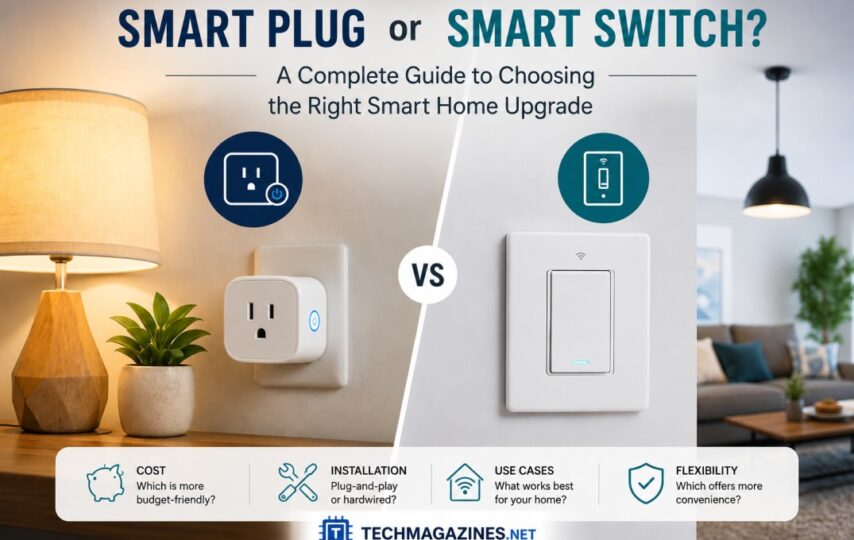

The debate of smart plug versus smart switch isn’t so much about the device, but how you plan to use your house. A smart plug is generally a more straightforward solution if you’re only looking to automate a lamp, geyser or coffee maker. It is easily installed and can be removed when you are traveling.
However, if you own the house and want smart lights that act intelligently from the wall switch, a smart switch may be a better investment in the long run. A good guideline to follow is to ask yourself the question, “Do I want to control one appliance, or do I want to control the circuit that feeds power to the appliance?
Final Buying Guide: Which Option Makes More Sense?
Select a smart plug if:
- You are living in rented accommodation
- You would prefer to not do electrical installation
- Your objective is to automate certain appliances
- You’re looking for a budget-friendly smart home starter
- You have a good likelihood of relocating at some point in the future
Select a smart switch when:
- You are the owner of the property
- You are doing a room makeover or updating
- Built-in control of your lighting is desired
- Multiple household members use wall switches on a daily basis
- You want a more streamlined and lasting smart-home setup
Why Smart Plugs Are the Easiest Entry Into Smart Homes
Key Advantages of Smart Plugs
A smart plug fits between the wall outlet and the appliance. Plug it in, connect it to an app, and you can turn the device on or off from your phone. You can also set timers or use voice commands with smart assistants. The setup is simple. You do not have to touch the wiring. That makes smart plugs an easy first step into home automation. They also work well with ordinary appliances that lack built-in smart features.
Limitations You Should Know Before Buying
One plug usually controls one device. That is enough for a lamp or coffee maker. It becomes less practical when you want to automate several lights, fans, and appliances across the house. The expense rises with each new plug. The units can also stick out from the socket and make the setup look untidy.
Best suited for:
- Renters
- First-time smart-home users
- Students
- Small flats or apartments
- Single appliances that need simple automation
Top Smart Plug Recommendations for 2026
Philips Smart Wi-Fi Plug
Earlier price: Rs 2,499 | Current price: Rs 799
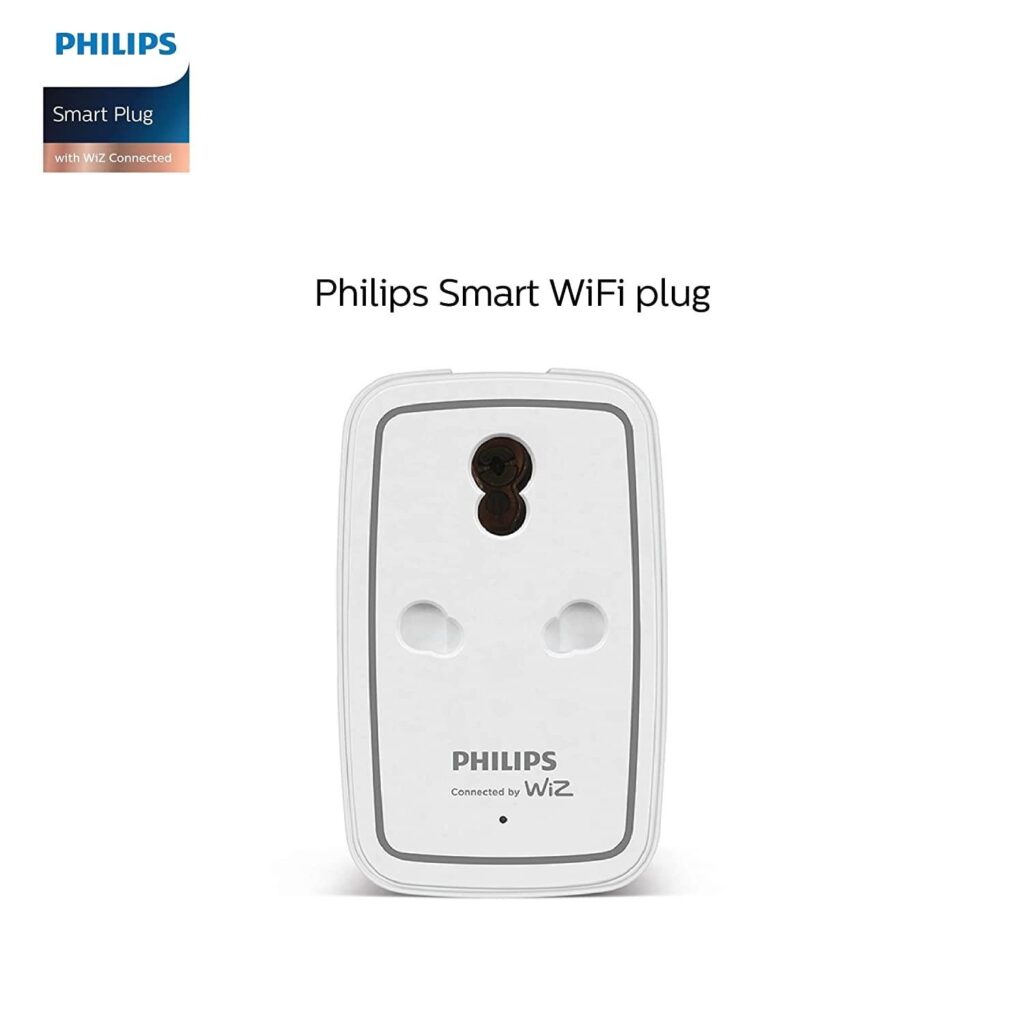
Philips sticks to the basics with the design. It allows you to control devices remotely, create routines and use voice commands with minimal hassle. It provides helpful attributes for a reasonable cost.
Ideal for: People on a budget
TP-Link Tapo P110 Smart Plug
Earlier price: Rs 1,699 | Current price: Rs 955
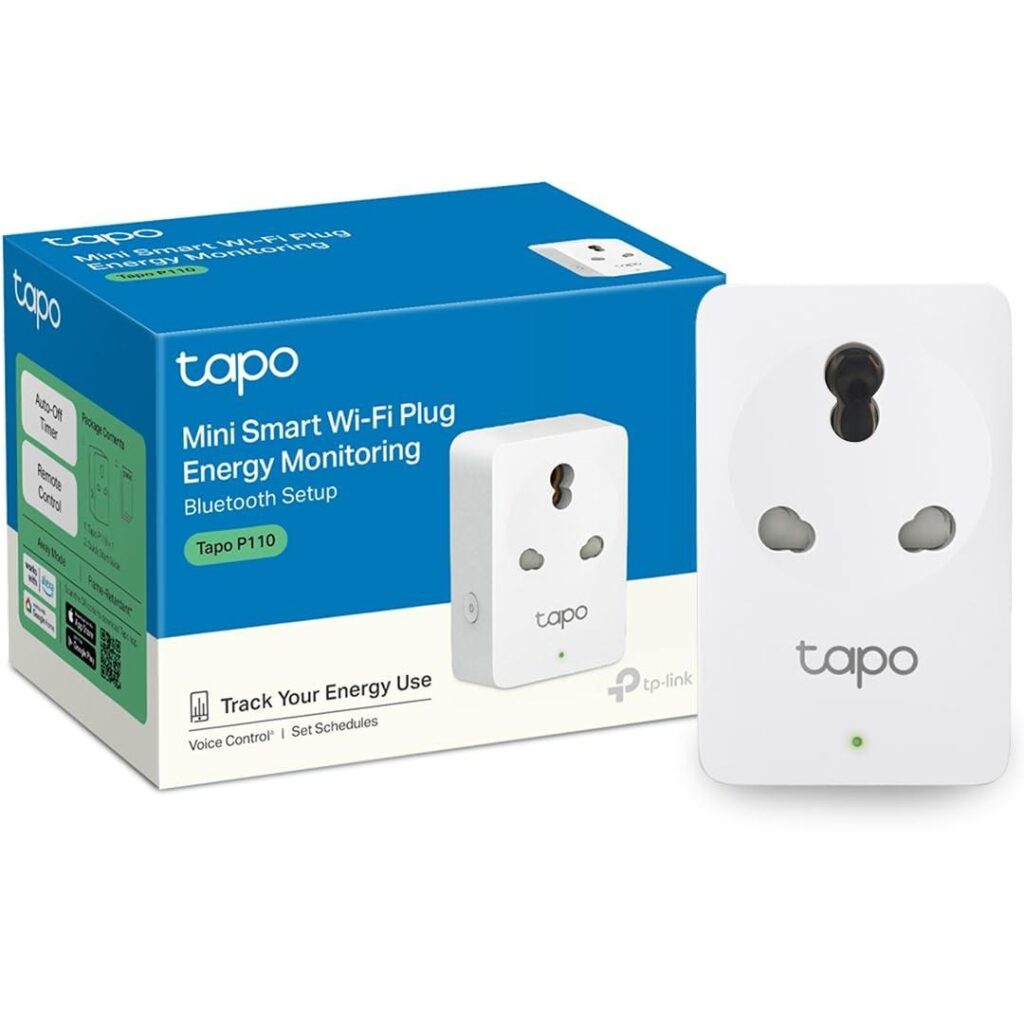
The Tapo P110 is doing the basic things really well. It monitors energy consumption, adheres to schedules and runs efficiently via its application. It is easy to set up. It will be difficult for most first-time buyers to outgrow.
Ideal for: Value for money
Wipro 16A Smart Plug
Earlier price: Rs 2,290 | Current price: Rs 985
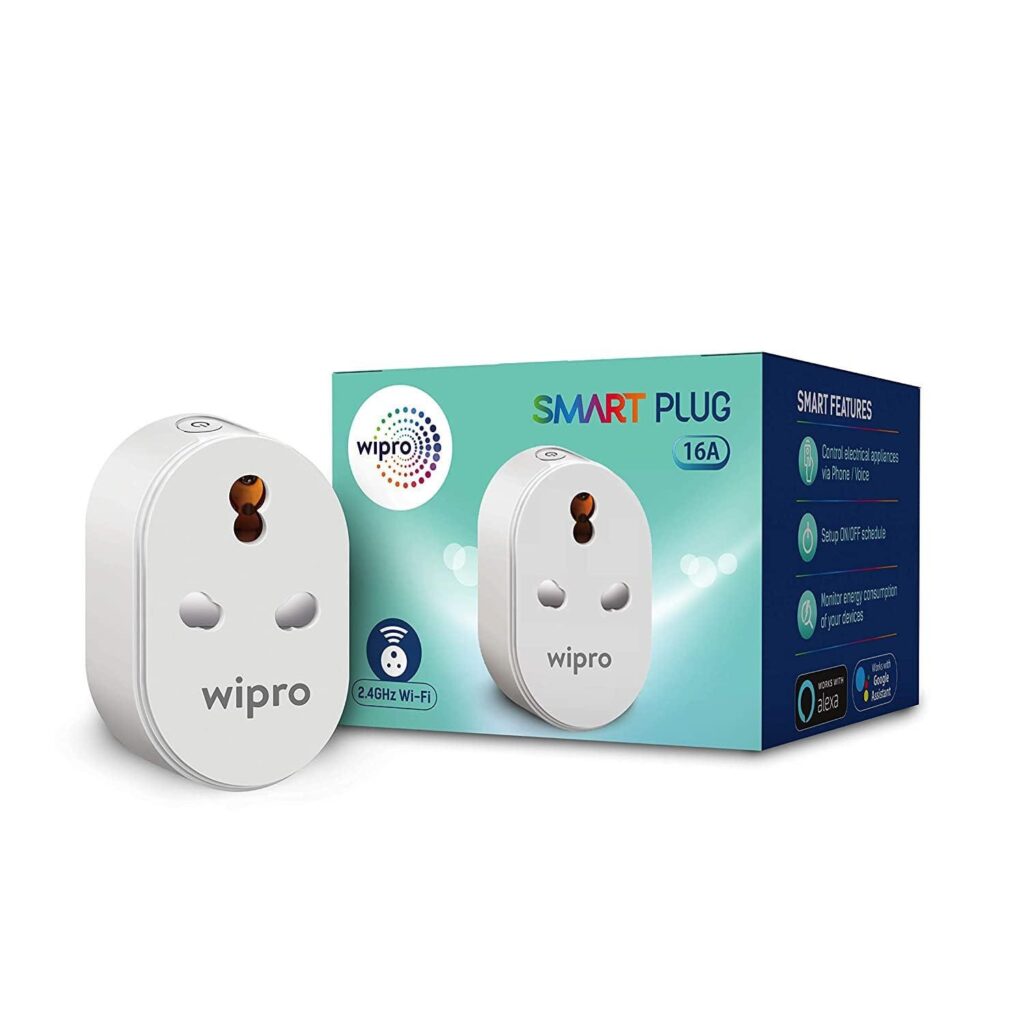
There are appliances that consume more electricity than others. The Wipro 16A plug does just that. It is ideal for use with geysers, room heaters, air coolers, etc., which draw more power from the socket.
Ideal for: High power appliances
Why Smart Switches Are a Long-Term Upgrade
Designed for long-lasting home automation, smart switches are built for it. Smart switches may be more appropriate if you’re looking for a long-term solution instead of a quick fix. They are integrated into the home, do not clutter the walls, and provide you with direct control of lighting and fans. It’s Ideal for Heavy appliances
Major Benefits of Installing Smart Switches
A smart switch takes the place of the ordinary wall switch. It does more than control one appliance. It governs the whole circuit connected to it. Lights, fans, and fixed fittings stay under smart control even when someone presses the switch by hand. That simple change often makes the system feel more natural. Many homeowners prefer it for that reason.
Drawbacks to Consider Before Installation
A smart switch needs proper wiring. In many cases, you will have to call an electrician. That adds cost and time. Renters may find little value in the upgrade. Unlike a smart plug, you cannot remove it in a minute and carry it to your next home.
Best suited for
- Homeowners
- House renovations
- Smart lighting systems
- Automation across several rooms
- Long-term smart-home projects
Best Smart Switches to Buy in 2026
Wipro Smart Wi-Fi Touch Switch
Earlier price: Rs 4,499 | Current price: Rs 1,991
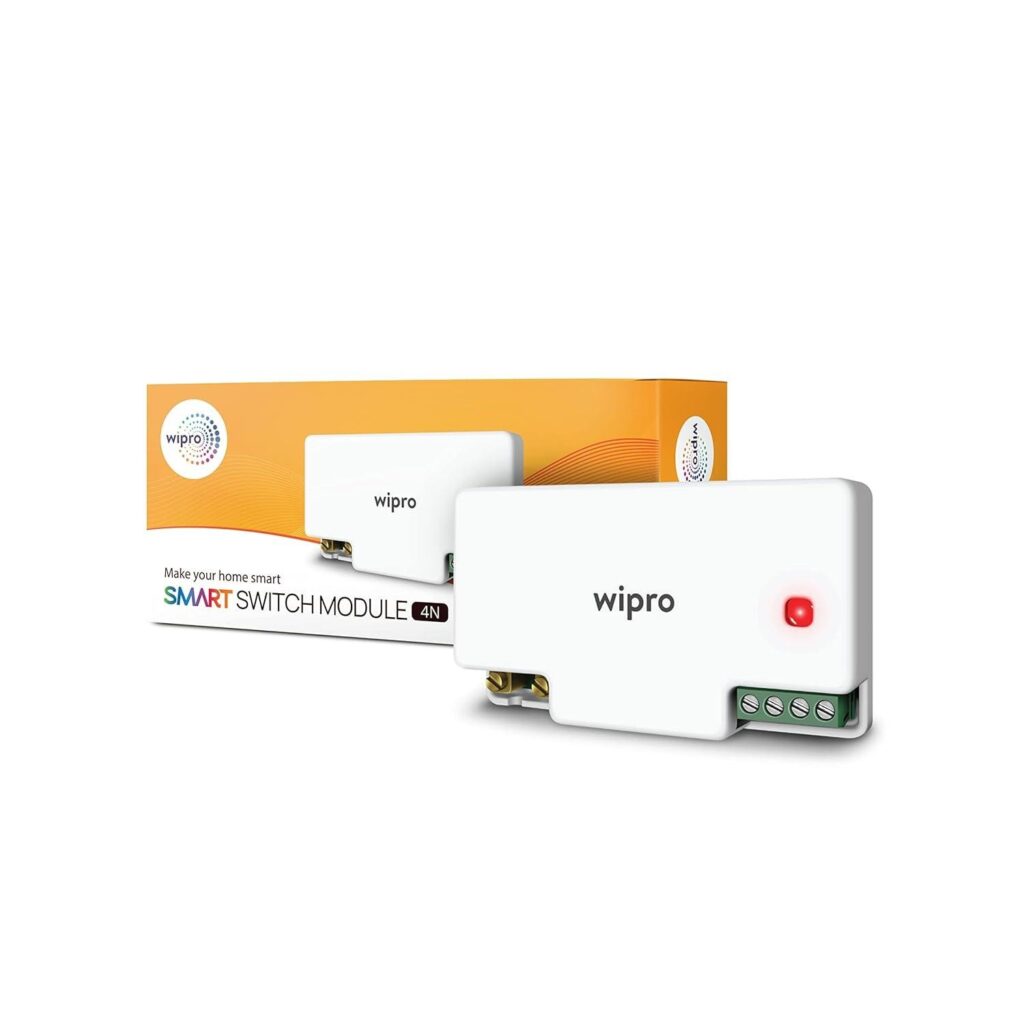
Wipro Smart Wi-Fi Touch Switch has gained significant popularity in India. It can be controlled with Alexa and Google Assistant and can be controlled with a mobile app.
Ideal for: Most householders
Goldmedal i-Touch Smart Switch
Earlier price: Rs 6,499 | Current price: Rs 5,768
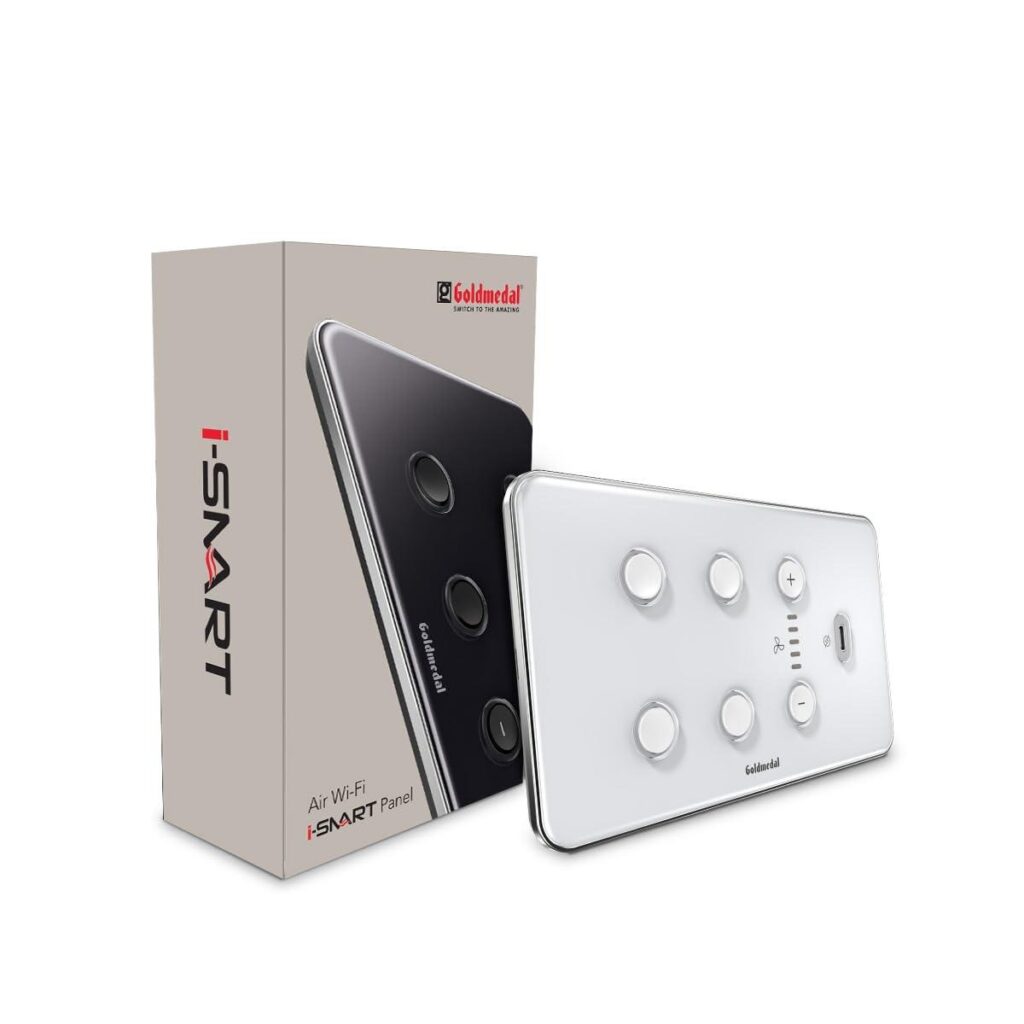
Goldmedal has established a good reputation in this field. i-Touch series features voice control, timed routines, and app control.
Ideal for: Lighting enhancements
Smart Home Recommendations Based on Your Living Situation
The smart plug is more practical for most tenants. You simply connect it and can begin using it in minutes. No changes to the wiring or to the property in general are necessary. If it’s time to relocate, you simply unplug it and pack it up. While a smart switch might be more aesthetically pleasing, not many tenants will want to replace electrical fittings in a house they don’t own.
Smart Home Solutions for Property Owners
Those who own their homes have more options. For lamps, geysers and other standalone appliances, a smart plug will still work. However, for ceiling fans and lights, a smart switch is usually the right solution. It gives the house a tidier look. It also maintains the smart functions when someone uses the wall switch as they normally do. Everything in the system is easier since it acts as people want.
Still Confused? Here’s the Simplest Way to Decide
If you’re looking to purchase your first smart-home product, start with a smart plug. It is inexpensive, requires no wiring and provides valuable features right from the beginning. If you’re thinking of automating your home for the long-term and aren’t averse to some electrical work, a smart switch may pay you off more in the long run.
Conclusion
The bottom line in the smart plug vs smart switch dilemma is this: do you have a current home or a forever home? Smart plugs are an easy and inexpensive way to get your feet wet in home automation without using a screwdriver. Smart switches, on the other hand, are the long game players, providing a cleaner and more integrated experience for homeowners.
Both choices have their advantages and disadvantages. Smart plugs are ideal for renters, students and first-time users. Smart switches might be worth the extra effort for homeowners seeking a sleek smart-home installation. A smart plug is like a suitcase you can take anywhere, a smart switch is more like custom furniture, you wouldn’t put one in a hotel room.
FAQs
Q1: Do smart plugs work with heavy appliances?
Some do. High capacity models can accommodate appliances like geysers, room heaters and air coolers. Not all smart plugs are created equal, though, as some are not suitable for power-intensive appliances. Before asking a little plug to do superman things, it is always best to check the specs.
Q2: Why do homeowners prefer smart switches?
Unlike individual devices, smart switches regulate entire circuits, resulting in a cleaner and more seamless experience. They also operate normally with wall switches used by family members.
Q3: Which smart-home device should beginners buy first?
The easiest way to start is with a smart plug. No wiring required, less expensive and provides helpful automation features right away. Think of it as the gateway device for smart homes; like that potato chip that makes you eat the rest of the bag.